






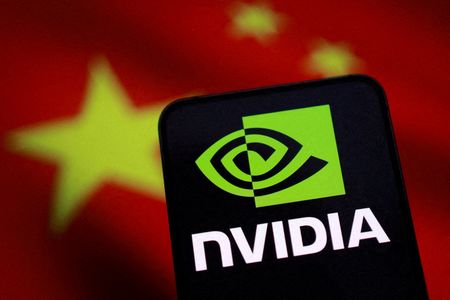



























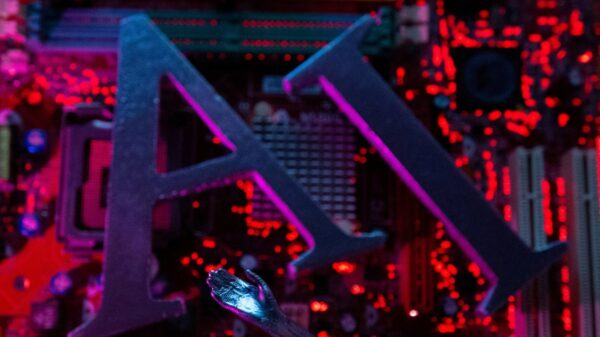




Computer chip giant Nvidia has halted the production of its H200 artificial intelligence processors intended for Chinese customers, as reported by the Financial Times. The decision comes as Nvidia redirects resources from its manufacturing partner, TSMC, towards its upcoming Vera Rubin technology.
This development was disclosed on a Thursday, following Nvidia’s recent announcement that it had received approval from the U.S. government to supply “small amounts” of H200 processors to Chinese clients. The pause in production suggests Nvidia does not foresee substantial revenue from H200 sales to China in the near term.
Neither Nvidia nor TSMC responded immediately to inquiries from Reuters for confirmation of the report. A representative from the U.S. Commerce Department revealed last month that Nvidia had not completed any sales of H200 processors to customers in China, underscoring the uncertainty surrounding the company’s operations in the region.
Earlier this year, the Trump administration granted Nvidia approval for H200 processor exports to China, yet actual deliveries have been delayed due to regulatory complexities within the approval framework.
The H200 processors are part of Nvidia’s broader strategy to dominate the AI hardware market. As demand for AI technology surges, the transition to Vera Rubin technology signifies a strategic shift aimed at maintaining competitive advantage amid evolving market dynamics.
The potential implications of this production halt are significant, particularly considering that Nvidia has positioned itself as a leader in the AI space. Analysts suggest that the focus on Vera Rubin could enhance Nvidia’s offerings in an increasingly competitive environment, where companies are racing to develop cutting-edge AI capabilities.
As the technology landscape continues to evolve, Nvidia’s decision to pivot away from the H200 production line could reflect a larger trend of adapting to geopolitical pressures and market demands. The company’s ability to navigate these challenges will be closely observed by industry stakeholders and investors alike.
Looking ahead, Nvidia’s commitment to innovation and its strategic adjustments will play a crucial role in shaping its future in the AI market. The company’s next moves, particularly regarding the Vera Rubin technology, will be pivotal in determining its long-term position amidst growing competition not only in China but globally.
See also Tesseract Launches Site Manager and PRISM Vision Badge for Job Site Clarity
 Affordable Android Smartwatches That Offer Great Value and Features
 Russia”s AIDOL Robot Stumbles During Debut in Moscow
 AI Technology Revolutionizes Meat Processing at Cargill Slaughterhouse
 Seagate Unveils Exos 4U100: 3.2PB AI-Ready Storage with Advanced HAMR Tech