













































In an era where technological advancements are rapidly reshaping industries, the emergence of quantum technology, particularly in conjunction with artificial intelligence (AI), is garnering increasing attention. As the world races to harness these innovations, discussions surrounding the implications and potential pitfalls of “Quantum AI” have taken center stage. This intersection of quantum computing and AI promises to revolutionize fields such as healthcare, finance, and cybersecurity, though experts urge caution against the hype that has historically accompanied new technologies.
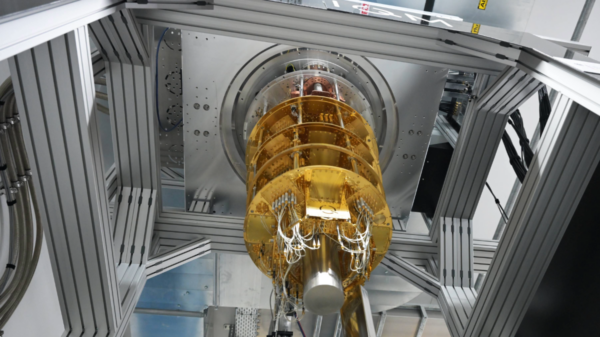
Quantum AI refers to the application of quantum computing to enhance traditional AI systems, potentially improving machine learning processes by increasing speed and accuracy while reducing costs. While this technology is still in its formative stages, the potential applications are vast, ranging from drug discovery and trading strategies to logistics management and energy systems. The excitement surrounding these developments has been further amplified by recent governmental support for quantum technology, including investments from the Trump administration and recognition from the Nobel Prize for groundbreaking quantum research.
Despite the promise of quantum AI, the technology also faces skepticism, particularly regarding exaggerated claims that could mislead consumers and investors. As seen with the rapid proliferation of generative AI, some companies have made unsubstantiated assertions about their products, leading to scrutiny from regulators and legal challenges. The Federal Trade Commission (FTC) has initiated multiple enforcement actions to curb misleading representations related to AI, mirroring its prior actions against deceptive marketing practices in other sectors.
The ramifications of unchecked claims regarding quantum AI are becoming evident. In 2023, a fraudulent scheme dubbed the “Quantum AI scam” exploited the allure of this new technology by promoting a fictitious trading platform. This scheme, which utilized celebrity deepfakes and social media to attract victims, echoes previous investment fraud cases. Similarly, certain FTC actions have highlighted instances of firms making unsupported assertions about their products’ quantum capabilities, raising alarms about the potential for consumer deception.
Experts emphasize the importance of maintaining rigorous standards for marketing claims related to quantum technology. Scott Lang, a character from the film “Ant-Man and The Wasp,” humorously questioned the tendency to attach the term “quantum” to everything, reflecting a broader concern that irresponsible branding could undermine genuine advancements. Indeed, the nuances of quantum computing—the very “bizarre properties” referenced in popular culture—are often challenging to convey accurately, leading to misconceptions that can fuel false expectations.
As quantum technology continues to evolve, companies are urged to adopt a measured approach to communication regarding their advancements. Transparency and adherence to evidence-based claims will not only foster trust among consumers but also ensure that innovators are not unjustly tarnished by the actions of those who overstate their capabilities. The balance between enthusiasm for quantum AI and the imperative to avoid hype will be crucial for the technology’s long-term success.
The ongoing dialogue surrounding quantum technology and AI underscores the need for vigilance as this sector develops. While the potential benefits are profound, the lessons learned from the AI hype cycle serve as a cautionary tale. If companies can navigate the complexities of public perception while remaining grounded in reality, both the scientific community and the market may reap the rewards of a truly transformative technology. As the capabilities of quantum AI inch closer to realization, the focus must remain on fostering innovation while safeguarding against the pitfalls of exaggerated claims.
See also Tesseract Launches Site Manager and PRISM Vision Badge for Job Site Clarity
 Affordable Android Smartwatches That Offer Great Value and Features
 Russia”s AIDOL Robot Stumbles During Debut in Moscow
 AI Technology Revolutionizes Meat Processing at Cargill Slaughterhouse
 Seagate Unveils Exos 4U100: 3.2PB AI-Ready Storage with Advanced HAMR Tech