


















































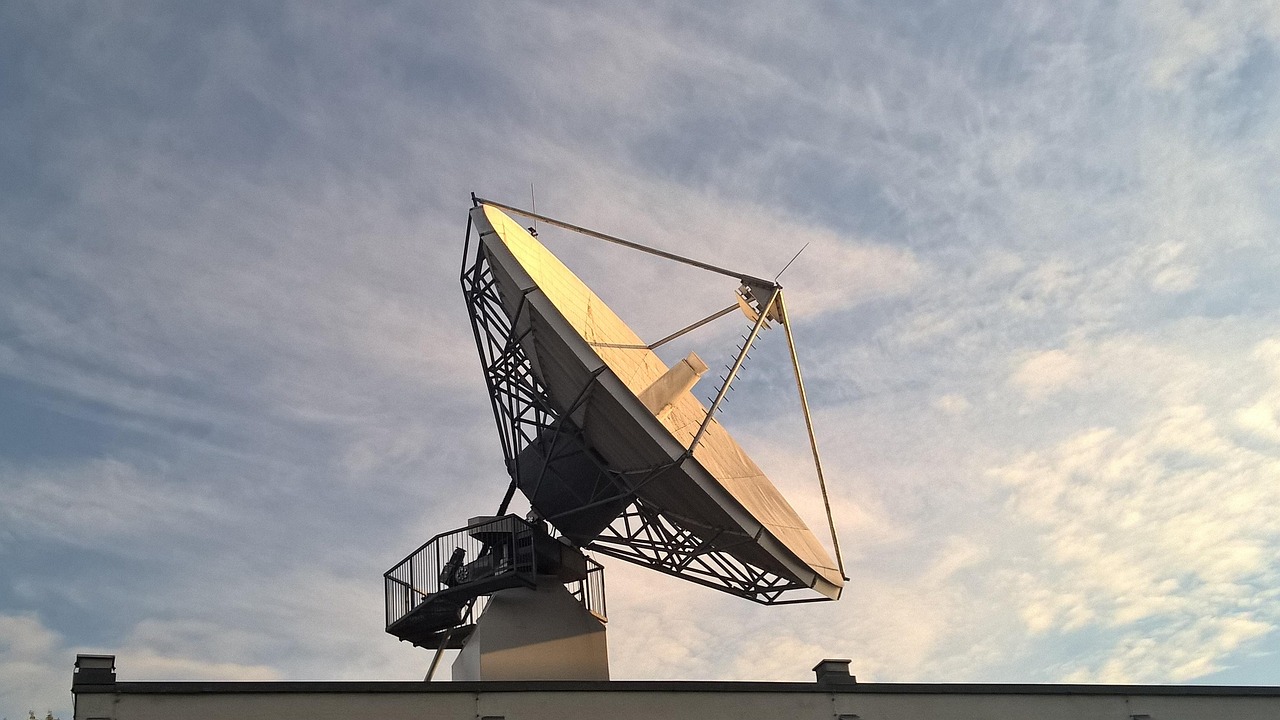
Satellite internet and edge computing are merging to dramatically redefine how artificial intelligence (AI) operates in remote environments. This new approach, often termed “satellite internet AI,” leverages space-based connectivity alongside localized processing capabilities, enabling advanced AI applications in areas where traditional infrastructures like fiber or 5G networks are unavailable. The convergence of these technologies promises to enhance operations in sectors ranging from energy to agriculture.
The essence of satellite internet AI lies in its reliance on satellite connections for data transport and management while executing AI inference close to where data is collected. This is particularly beneficial in remote locations such as offshore platforms, mines, and polar regions, where terrestrial networks are sparse or non-existent. In this framework, AI workloads are managed on edge servers, gateways, and embedded devices. Satellite internet serves as the essential backhaul for synchronization with central platforms, enabling continuous operations for tasks like anomaly detection and predictive maintenance, even when local connectivity fails.
Edge computing connectivity refers to deploying processing resources at or near the data source, differing from conventional data center models. When paired with satellite internet, edge nodes connect directly to satellites for data backhaul, enhancing operational efficiency. For instance, a network of sensors and cameras can funnel real-time data into an edge gateway equipped with AI accelerators. This gateway processes information in real-time, sending only compressed results or alerts via satellite to centralized cloud services. Such an architecture not only reduces bandwidth consumption but also improves response times, allowing critical functions to persist even amid intermittent satellite connectivity.
The significance of satellite internet for remote computing cannot be overstated. It provides global coverage across oceans, mountains, and isolated areas, making it indispensable where traditional infrastructure is lacking. This means AI models can be centrally trained but deployed anywhere, receiving updates over satellite links as required. Industries like logistics, energy, and environmental science particularly benefit from this technology, enabling AI-assisted operations while maintaining integration with corporate systems and cloud platforms.
Practical applications of satellite internet AI highlight its transformative potential. In industrial operations, such as mining or offshore drilling, edge AI can monitor equipment and enhance worker safety while relaying key alerts and reports through satellite links. In smart agriculture, farms in rural locales utilize edge AI for tasks like crop health assessments and livestock tracking, with drones processing images on-board before sending aggregated data back to central systems. Moreover, local inference in environmental monitoring networks enables real-time anomaly detection, even when terrestrial infrastructures are compromised.
Despite its advantages, the integration of AI with satellite internet brings distinct challenges. Bandwidth constraints and variability are notable hurdles, as satellite connections typically offer less stability and speed than terrestrial alternatives. This necessitates the prioritization of essential data and optimized use of compression techniques. Additionally, deploying high-throughput satellite services and rugged edge hardware can be financially burdensome, requiring organizations to weigh return on investment carefully. Managing distributed AI across numerous remote edge nodes and satellite links also necessitates advanced orchestration and security measures, complicating continuous deployment efforts.
A reference architecture for implementing satellite internet AI includes components such as local sensors, rugged edge gateways, and satellite modems. Edge environments can either lean towards cloud-centric designs—where most intelligence resides in the cloud—or edge-first configurations, which prioritize local processing. For remote or bandwidth-limited sites, edge-first designs often prove more effective.
Security and data governance represent critical considerations in these deployments. Satellite communications must be encrypted, with robust authentication and access controls implemented at edge nodes. Processing sensitive data locally can minimize exposure, keeping raw information on-site while only transmitting derived insights. Nevertheless, organizations must establish clear policies regarding data storage, retention, and jurisdiction when utilizing global satellite networks.
As satellite constellations expand and edge computing technology advances, the capacity and efficiency of these systems are expected to improve. This evolution will facilitate broader participation in satellite internet AI ecosystems, allowing for more extensive deployments of intelligent devices in various sectors. Furthermore, emerging trends like space-based edge computing suggest that satellites could perform AI processing in orbit, transmitting only crucial insights back to Earth. This shift could enhance near real-time decision-making capabilities and expand applications in disaster response and environmental monitoring.
In conclusion, the integration of satellite internet with edge computing and AI is reshaping operations in remote environments. As industries increasingly rely on these technologies, the landscape of remote computing will continue to evolve, delivering unprecedented insights and efficiencies in areas previously considered unreachable.
See also Applied Digital Secures $11B in AI Data Center Deals, Boosting Growth Potential
 Nvidia Invests in Quantum Computing, Poised for $850B Market Boom by 2040
 Alphabet Acquires Intersect for $4.75B to Enhance Data Center Energy Solutions
 Neurable Secures $35M to Advance Brain-Computer Interface AI Technology
 AI for Enterprises Reveals 7 Proven Use Cases to Eliminate Engineering Bottlenecks