








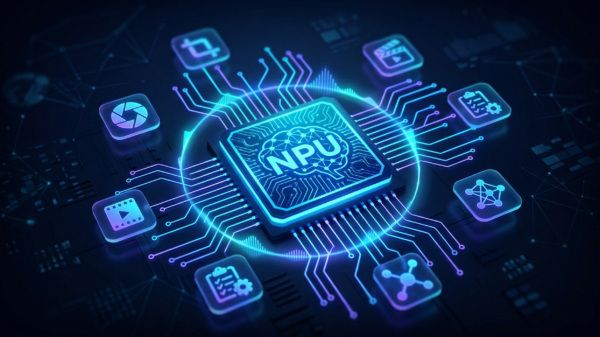































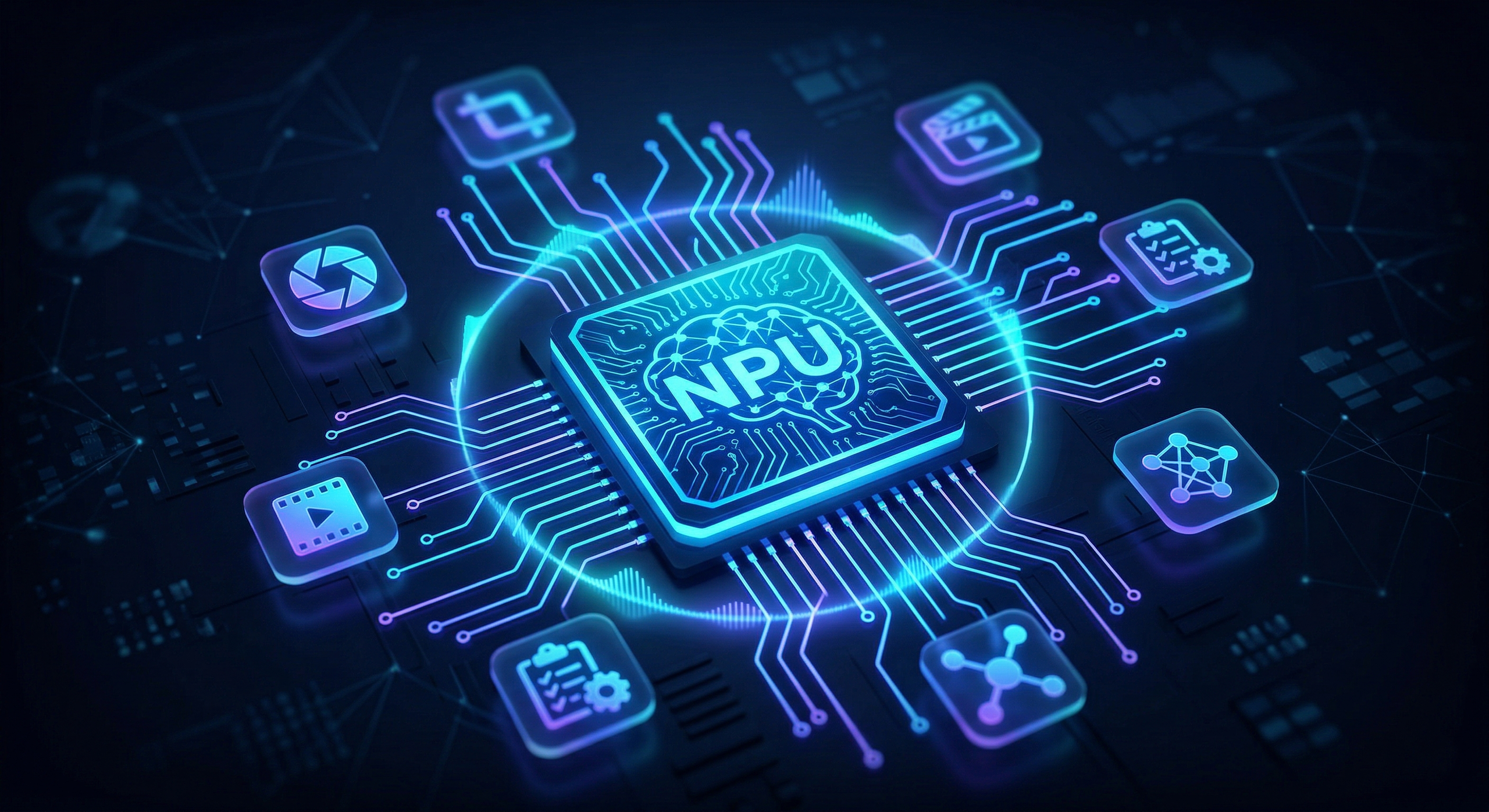
Microsoft’s introduction of the Neural Processing Unit (NPU) alongside its Copilot+ PCs in 2024 marked a significant advancement in local AI processing. This specialized hardware has since transitioned from Qualcomm’s Snapdragon X chips to the latest offerings from Intel and AMD, enhancing the efficiency of AI tasks on personal computers. While the NPU’s emergence is closely tied to Copilot+ features in Windows 11—such as Cocreator, Live Captions, and Windows Studio Effects—it is increasingly being utilized by a variety of third-party applications as well.
As of 2026, many PCs are expected to include NPUs, enabling a range of applications that harness this advanced technology. One standout application is Cephable, an AI software platform that redefines traditional input methods. Instead of relying on a mouse and keyboard, Cephable leverages adaptive controls, allowing users to interact through head, eye, or other movements, alongside voice commands. By maintaining a strong on-device privacy protocol, Cephable uses the NPU to process sensitive data locally, which is particularly beneficial for users who prioritize accessibility and efficiency.
Adobe Photoshop remains a flagship application in the realm of AI-assisted photo editing. With the integration of an NPU, Photoshop can execute tools like subject selection, background removal, and denoising with greater speed and reduced battery consumption. This not only liberates the CPU and GPU for other tasks but also enhances the overall user experience, especially for those editing images on laptops.
Norton Antivirus has also adapted to the NPU landscape, introducing AI-powered features aimed at combating deepfakes and scams. Its latest offerings include tools that can identify audio and video deepfakes and detect phishing attempts without relying on cloud services. By utilizing the NPU, Norton enhances speed and efficiency while ensuring that user data remains local, a crucial aspect in today’s cybersecurity climate.
Music mixing software Algoriddim’s djay Pro benefits from the NPU as well, particularly through its Neural Mix feature, which isolates vocals and instruments. This capability significantly enhances the mixing experience, allowing for low latency and high-quality separation, making it popular among DJs and music enthusiasts.
BufferZone’s NoCloud AI, designed for real-time phishing detection, takes advantage of the NPU’s processing power. Although it functions as a browser extension for Edge and Chrome, it reportedly improves phishing detection rates significantly and operates with lower latency by processing data locally rather than relying on cloud-based systems. However, this service is currently aimed solely at enterprise customers.
Meanwhile, HP has developed HP IQ, a workplace intelligence layer that operates directly on the NPU. This application is designed to enhance workflow coordination, allowing users to manage documents, summarize information, and share files effortlessly across multiple devices. Set to debut in HP’s new EliteBook X G2 laptops in 2026, HP IQ exemplifies the potential of NPU technology in professional settings.
CapCut, a widely-used video editing application associated with social media, also leverages NPU capabilities for features like Auto Cutout, which simplifies background removal without cloud data transmission. This functionality, along with its face-tracking capabilities, significantly reduces the load on the CPU and GPU, improving overall power efficiency.
As the integration of NPUs in personal computers continues to evolve, a variety of applications emerge that capitalize on this cutting-edge technology. From enhancing accessibility and productivity to improving creative and security applications, the influence of NPUs is broadening. Users are encouraged to explore these innovations as they become increasingly embedded in the computing experience, reflecting a significant shift in how personal computing harnesses artificial intelligence.
See also Tesseract Launches Site Manager and PRISM Vision Badge for Job Site Clarity
 Affordable Android Smartwatches That Offer Great Value and Features
 Russia”s AIDOL Robot Stumbles During Debut in Moscow
 AI Technology Revolutionizes Meat Processing at Cargill Slaughterhouse
 Seagate Unveils Exos 4U100: 3.2PB AI-Ready Storage with Advanced HAMR Tech