
















































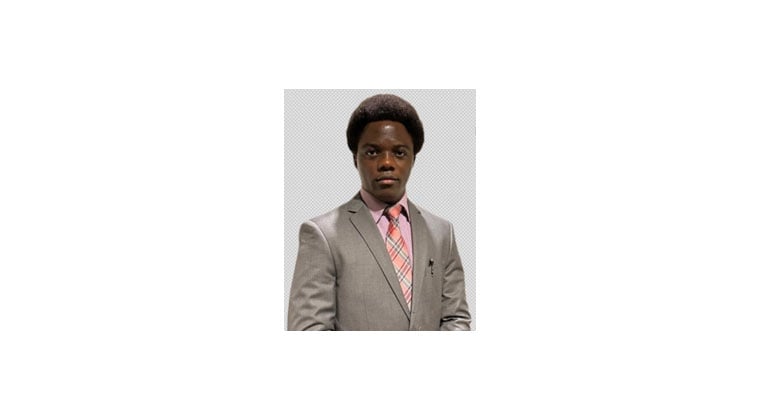
Taiwo Feyijimi, a doctoral candidate at the University of Georgia’s Engineering Education Transformations Institute (EETI), stands at a unique intersection of advanced artificial intelligence, engineering education, and human learning. With a perfect 4.0 GPA and over 15 years of leadership experience in both industry and education, he is not only a seasoned academic but also a technology strategist and EdTech professional. His multifaceted career reflects a commitment to reshaping how societies prepare engineers and technologists for an increasingly AI-driven world.
The core of Feyijimi’s work revolves around a critical question: how can AI and educational systems be designed to genuinely enhance human capabilities rather than merely automating existing tasks? Before diving into his doctoral studies, he led technical teams in developing systems with real-world implications, such as optimizing automated testing for manufacturing and architecting data-driven decision pipelines. His experience as a Strategic IT consultant further honed his ability to bridge the gap between executive priorities and technical realities, insights that now inform his academic research.
As a graduate research assistant, Feyijimi is pioneering projects focused on advanced prompt engineering to optimize large language models (LLMs) for complex problem-solving and educational workflows. His unique perspective as both a practitioner and scholar allows him to effectively connect industry practices with academic research, making him a sought-after voice in professional circles. His recent work focuses on exploratory data analysis, machine learning, and natural language processing, employing these as precision tools rather than mere buzzwords.
Feyijimi’s most notable contributions include the development of innovative Prompt Engineering Techniques (PETs) frameworks—specifically the TAIWO and PEASSA frameworks—designed for AI-assisted qualitative analysis, boasting over 90 percent precision and accuracy. These frameworks are currently under U.S. copyright review and are beginning to influence how researchers approach reliability and validity in AI-supported qualitative studies. He grapples with a significant research question: Are undergraduate engineering programs adequately preparing students for the competencies demanded by the modern workforce?
In a project titled “Mapping Essential Competencies for Entry-Level Electrical Engineers,” presented at the 2025 American Society for Engineering Education (ASEE) Conference in Montreal, Feyijimi employs hybrid NLP and thematic analysis to explore the alignment between job postings and educational curricula. His research underscores the need to focus on how people learn rather than merely what they know. Early investigations into self-assessment and self-regulation in engineering education served as a foundation for his current focus on regulatory learning skills, including metacognition and collaborative problem-solving.
By designing AI-enhanced learning environments, Feyijimi aims to position LLMs as partners in education rather than simple evaluators. His CREAVFS predictive analytics framework, for example, is engineered to project student persistence towards graduation while assessing biases in advising models. These advancements enable educators to pinpoint how regulatory skills and structural conditions can impact student outcomes in precise, data-driven terms.
His influence extends beyond individual research projects to broader institutional initiatives. As the sole graduate student among the founding faculty of EETI’s Generative AI Faculty Learning Community, he has been instrumental in developing curriculum and training materials on effectively integrating generative AI into engineering education. This initiative not only benefits students but also engages faculty, departmental leaders, and policymakers, increasing the visibility of his work.
Feyijimi’s current research includes the emerging Q-AI Framework, which combines Q methodology with AI prompt engineering to assess and improve regulatory processes in engineering education. This innovative approach captures students’ subjective learning perspectives while leveraging AI to analyze those insights at scale. His work has gained traction in professional academic circles, being featured at two sessions during the 15th International Learning Analytics & Knowledge (LAK) Conference in Dublin, where his frameworks were highlighted for their potential impact on qualitative research practice.
As the field of educational research adapts to the integration of AI, Feyijimi aims to redefine its methodological foundations. His co-authored works, including articles exploring AI’s role in predicting student success and enhancing qualitative research, emphasize new ways of engaging with evidence and equity. His contributions have been recognized widely, from the University of Georgia’s STEM Education Flash Talk Showcase to national and regional events organized by the National Society of Black Engineers.
Feyijimi’s multifaceted career encapsulates a sustained commitment to addressing the challenges of education in an AI-driven landscape. His research not only seeks to innovate engineering instruction but also aims to foster equitable AI-driven education in regions like Africa. Through mentorship and leadership roles, he is preparing the next generation of engineers and educators. As countries worldwide focus on innovation and workforce readiness, Feyijimi’s work offers a timely and impactful model for reimagining education in an era increasingly defined by intelligent machines.
See also US Grants Nvidia 25% Fee Export Approval for H200 Chips to China Amid Tech Tensions
 CyberAI Group Files Three Patents for AI-Driven Cyber Defense Solutions
 Singulr AI Appoints Bask Iyer as Strategic Advisor to Enhance AI Governance Strategies
 Linux Foundation Launches Agentic AI Foundation to Drive Transparent AI Innovation
 Semiconductor Industry Enters $1 Trillion ‘Giga Cycle’ Driven by AI Demand, Says Report