















































TCL showcased its latest advancements in artificial intelligence at the 2025 TCL Global Technology Innovation Conference, emphasizing the integration of AI into intelligent manufacturing, consumer electronics, and sustainable technologies. The Chinese electronics manufacturer aims to transition AI from theoretical applications to practical implementations, aiming to enhance efficiency and user experience in its product offerings.
TCL founder Li Dongsheng highlighted the company’s “AI for Real” strategy, designed to deliver quantifiable outcomes across its business sectors. The initiative is projected to yield over $140 million in economic benefits by 2025, positioning AI as a fundamental driver of productivity rather than a supplemental technology. This strategic pivot underscores TCL’s commitment to harnessing AI’s potential for tangible commercial value.
In the manufacturing domain, TCL’s CSOT (China Star Optoelectronics Technology) introduced X-Intelligence 3.0, a specialized large language model tailored for the display industry. As TCL’s inaugural vertical AI model capable of reasoning, X-Intelligence 3.0 has reportedly bolstered efficiency in product issue analysis by 20% and in materials development by 30%. These advancements represent a significant leap in the company’s efforts to enhance its manufacturing processes.
Moreover, TCL has progressed its inkjet-printed OLED technology from experimental stages to large-scale commercial production, illustrating the company’s dedication to improving both efficiency and environmental sustainability in display manufacturing.
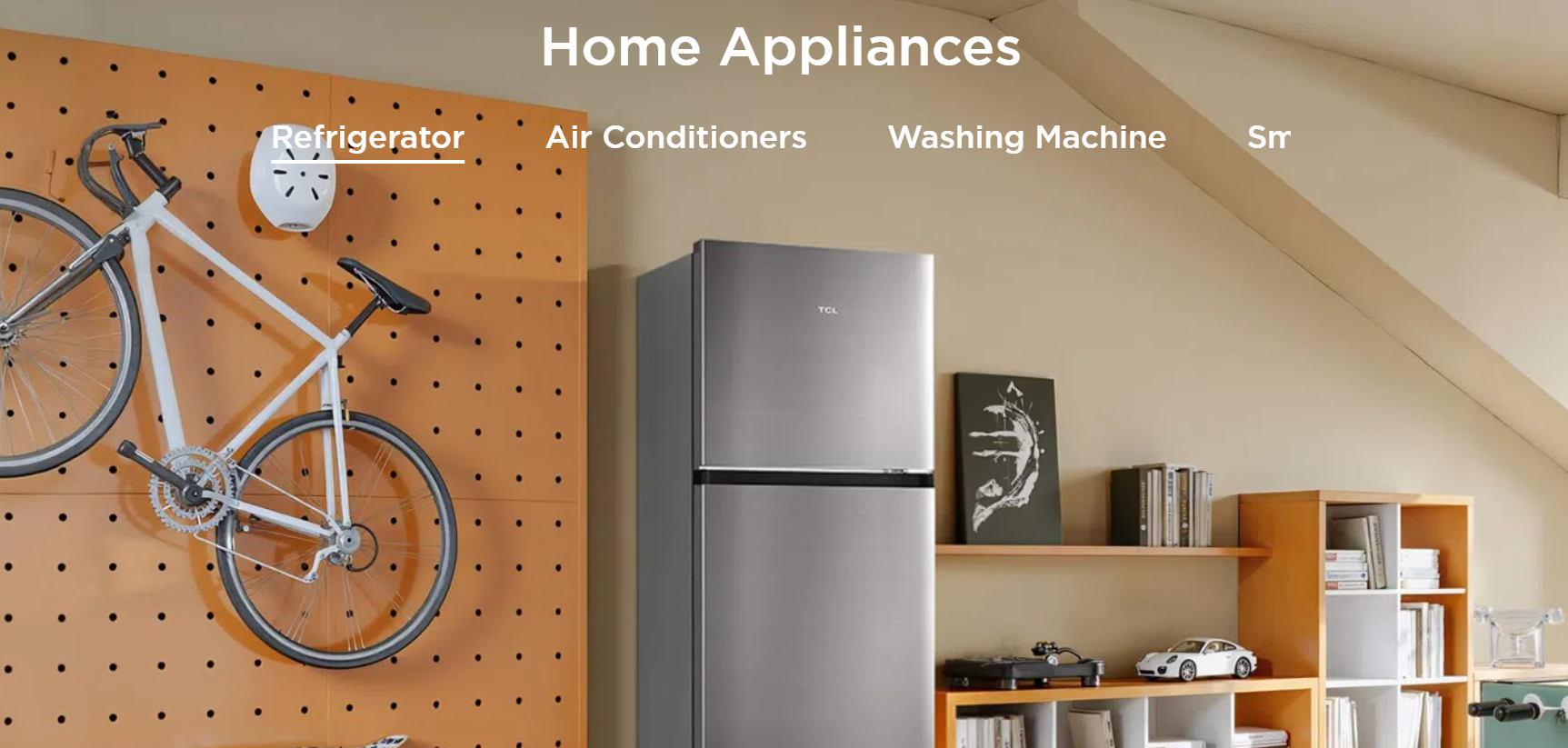
On the consumer front, TCL is embedding AI into a plethora of household devices. Its FreshIN air conditioners utilize AI to optimize energy consumption during nighttime, while AI-enabled refrigerators maintain precise temperature controls. Washing machines are now designed to automatically detect fabric types and load conditions, thus optimizing wash cycles. Additionally, TCL’s televisions leverage AI to enhance picture quality and sound in real-time, fostering a more immersive viewing experience.
TCL is also branching out into wearables and companion devices. Its RayNeo AR glasses facilitate real-time translation and visual interaction, which helps bridge communication gaps across different languages. The modular AI companion robot, AiMe, offers emotional recognition and promotes natural interactions, aligning with the growing trend of integrating AI into everyday consumer experiences.
Sustained investment in research and development, alongside a global collaboration network, enables TCL to deepen the integration of AI with green development initiatives. The company aims to enhance intelligence across the entire value chain—from material selection to production and final products—thereby positioning AI as a catalyst for improved efficiency and long-term sustainability.
TCL’s commitment to driving measurable advancements through AI applications marks a pivotal moment in its operational strategy, potentially reshaping the landscape of consumer electronics and manufacturing. By prioritizing practical AI solutions, TCL is not only advancing its product line but also setting industry standards for sustainable practices in technology.
See also Texas Developer HGP Proposes Recycled Navy Nuclear Reactors for AI Data Centers
 MindMap AI Launches Chat-Driven Mind Mapping with 50% Off Annual Plans and 30,000 AI Credits
 Local AI PCs Surge as Intel, AMD, and Qualcomm Achieve 180+ TOPS Performance
 NSLLM Framework Enhances LLMs’ Efficiency and Interpretability with Neuromorphic Design
 Oracle Faces 30% Stock Drop Amid AI Execution Doubts and $50B Capex Commitment