
















































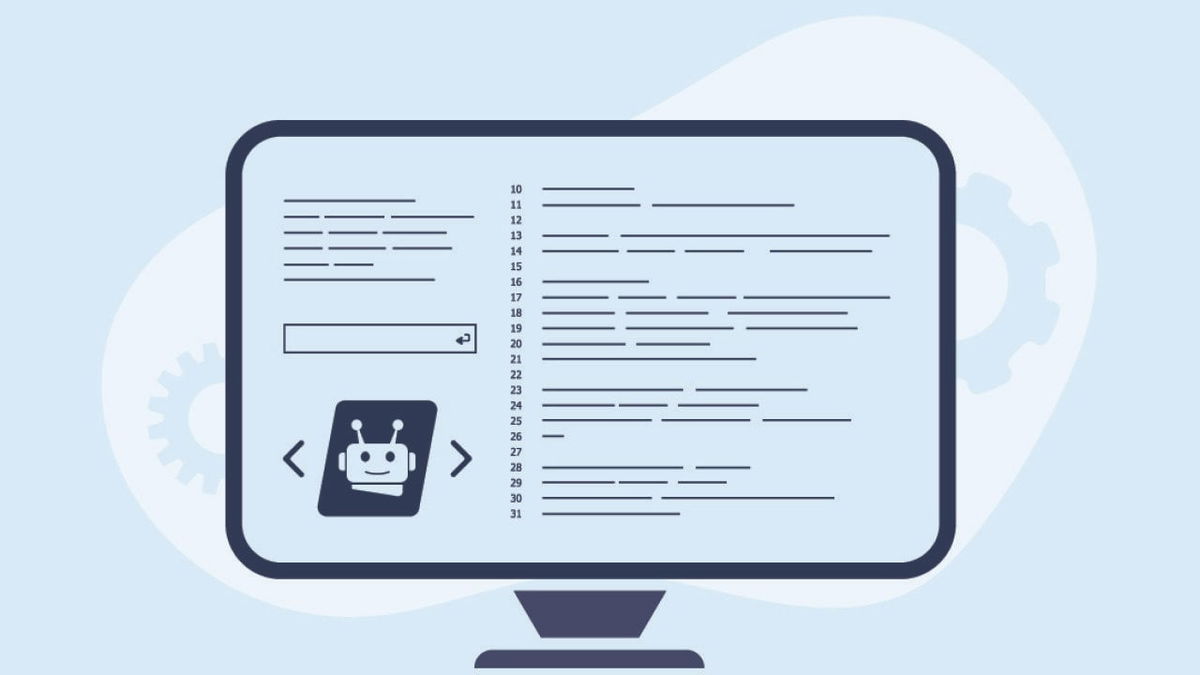
The integration of artificial intelligence (AI) into various sectors of society has seen exponential growth by 2025, profoundly impacting culture, politics, and interpersonal communication. Among its most significant contributions, however, is its transformative effect on software development, where the adoption of generative AI tools has markedly boosted productivity. A recent study by Stack Overflow highlights that 82% of software developers are utilizing AI tools to generate code, making this the primary application of the technology within the industry.
Beyond code generation, the use of AI for troubleshooting and answering specific queries ranks as the second and third most common applications, respectively. This trend supports findings from PwC suggesting that generative AI can enhance software developer productivity by as much as 50%. As productivity rises, operational costs concurrently decline. Data from McKinsey indicates that 14% of software engineering organizations reported a reduction in operational costs of between 11% and 19% in the past year, with 7% experiencing even greater savings exceeding 20%.
Interestingly, the McKinsey research also suggests that companies characterized by high growth and innovation are more inclined to adopt generative AI technologies compared to their less progressive counterparts. This proactive approach to technology adoption is positioning certain teams and organizations as frontrunners in the market, indicating a clear competitive advantage for those willing to harness the potential of AI.
The effects of this increased productivity extend beyond mere efficiency gains. The landscape of software development teams is changing, with a rise in lifecycle support providers that seamlessly integrate outsourced solutions with internal development efforts. This shift allows businesses to engage in nearshoring services as needed, striking a balance between productivity and agility without incurring unnecessary costs. This model is increasingly relevant across diverse industries, from retail to finance, where ongoing software development projects are essential.
Moreover, generative AI tools are not just advantageous during the development cycle; they also play a critical role in enhancing post-launch user experiences. In the retail sector, for instance, consumer expectations for personalized interactions are burgeoning. A McKinsey survey reveals that 76% of consumers feel frustrated if they do not receive tailored interactions from brands. By lowering the barriers to personalization, generative AI enables developers to create adaptable marketing software, e-commerce platforms, and mobile applications that cater to individual preferences and historical data without the usual complexities of development and subsequent troubleshooting.
In essence, the rapid adoption of generative AI within software development exemplifies a harmonious synergy between human expertise and artificial intelligence. Rather than rendering developers obsolete, AI augments their capabilities, facilitating quicker outputs while enabling them to focus on higher-level tasks. The implications for outsourcing and nearshoring in the development process, enhanced by AI, suggest that this trend is likely to expand in the future, potentially serving as a model for other industries navigating the rise of intelligent automation.
As the technology landscape continues to evolve, the interplay of generative AI and software development not only highlights the immediate benefits of productivity and cost reduction but also signifies a broader shift in how businesses will operate in an increasingly automated world.
See also AI Trading Tools Enhance Decision-Making for Stocks, Crypto, and More with Automation
 Cognition AI Reveals Devin Now Generates 25% of Internal Code, Targets 50% by Year-End
 Polymarket Transforms Prediction Markets: Speed, Algorithms, and Competitive Edge Emerge
 Three Lifetime AI Tools for Entrepreneurs to Reduce Stress in 2026