

































Tobi Lütke, CEO of Shopify, recently shared a personal experience highlighting the utility of artificial intelligence in addressing a technical challenge with his annual MRI scans. Lütke disclosed that the data from his scans was provided on a USB stick, which required specialized commercial Windows software to access. Instead of seeking out this software, he opted to utilize AI to streamline the process.
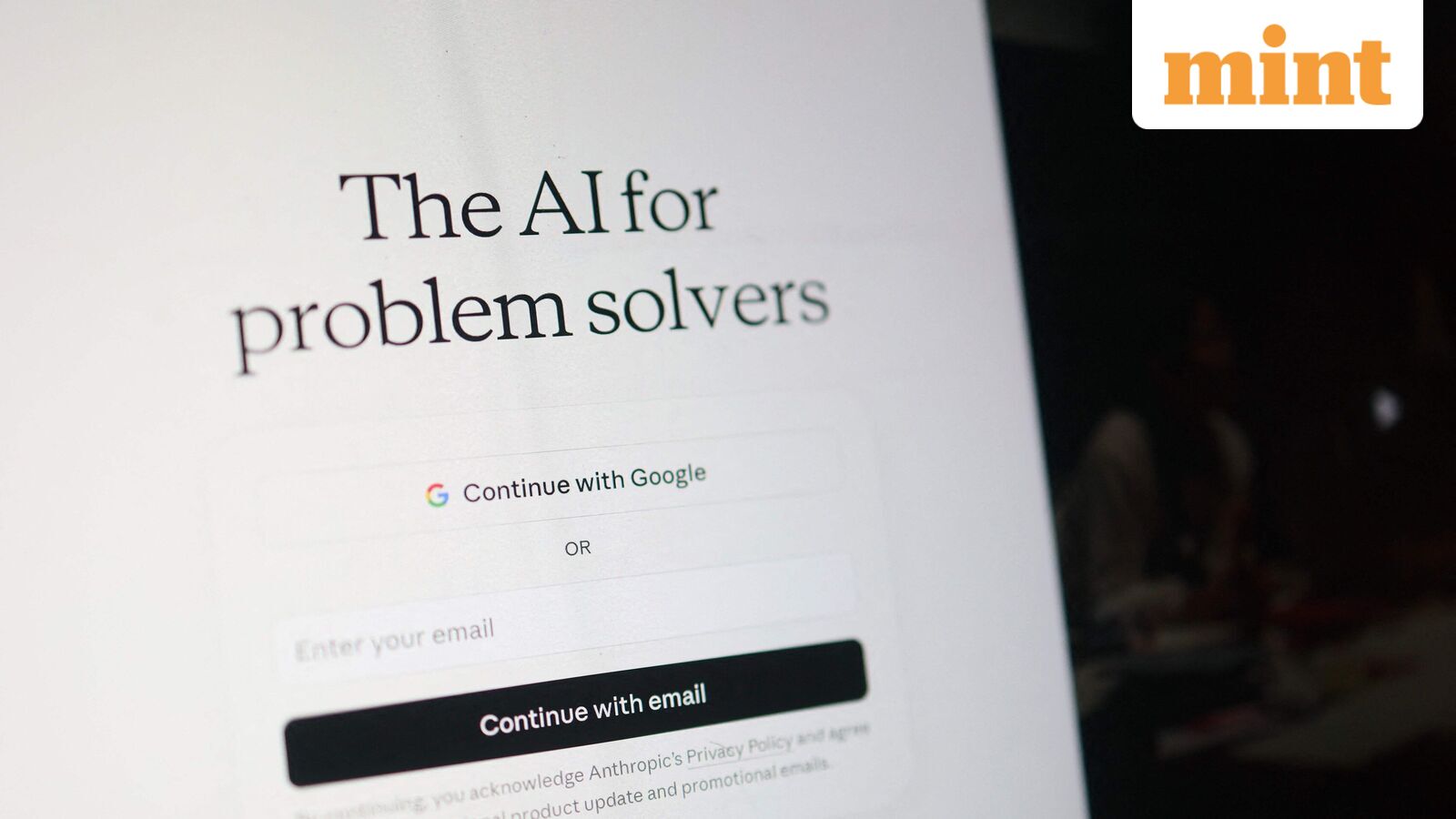
In a post on X, Lütke explained that he ran Claude AI on the USB stick, requesting it to create a web-based viewer for the MRI data. He further leveraged the AI’s capabilities by prompting it to annotate the scans, leading to a more user-friendly presentation of the medical information. “My annual MRI scan gives me a USB stick with the data, but you need this commercial Windows software to open it. Ran Claude on the stick and asked it to make me an HTML-based viewer tool. This looks… way better,” he noted.
Lütke’s experience is a significant example of what he termed “reflexively” reaching for AI after becoming accustomed to its capabilities. “You tinker with AI for a while, and you just reach for this. This was an obvious thing to try when I saw I needed to use Windows and was on my Mac. You want to train your brain on this intuition,” he elaborated. This anecdote coincides with growing conversations around AI’s potential to disrupt traditional job roles, particularly within the software engineering sector.
The launch of industry-specific plug-ins for Claude Cowork by Anthropic has stirred concerns among investors regarding the potential for AI to replace jobs traditionally handled by software engineers. This shift has resulted in a substantial decline in equity value, with approximately $285 billion lost in the software sector as companies grapple with the implications of AI integration. Indian IT firms, including TCS, Infosys, and Wipro, have also felt the impact, reaching their 52-week lows amid this uncertain landscape.
Meanwhile, the application of AI in medical settings continues to gain traction. Earlier this year, Anthropic introduced the Claude for Healthcare tool, designed to assist clinicians, insurers, and patients by automating administrative tasks and providing reliable medical information. The tool’s capabilities have expanded to allow users in the U.S. to grant Claude access to their lab results and health records, further enhancing individuals’ understanding of their health information and preparing them for significant conversations with healthcare providers.
Lütke’s innovative approach to using AI in a personal health context exemplifies a broader trend of integrating advanced technology into everyday tasks. As AI continues to evolve, it holds the promise of not only transforming industries but also improving individual experiences in sectors such as healthcare. This emerging dynamic could reshape interactions between technology and users, fostering a new era of efficiency and accessibility.
See also Enterprise AI Usage Surges 36-Fold, Driven by ChatGPT and Microsoft 365 Copilot
 Intuit Launches 600 Advisory Centers and 20 TurboTax Stores, Blending AI with Human Expertise
 AI Transforms Health Care Workflows, Elevating Patient Care and Outcomes
 Tamil Nadu’s Anbil Mahesh Seeks Exemption for In-Service Teachers from TET Requirements
 Top AI Note-Taking Apps of 2026: Boost Productivity with 95% Accurate Transcriptions