






























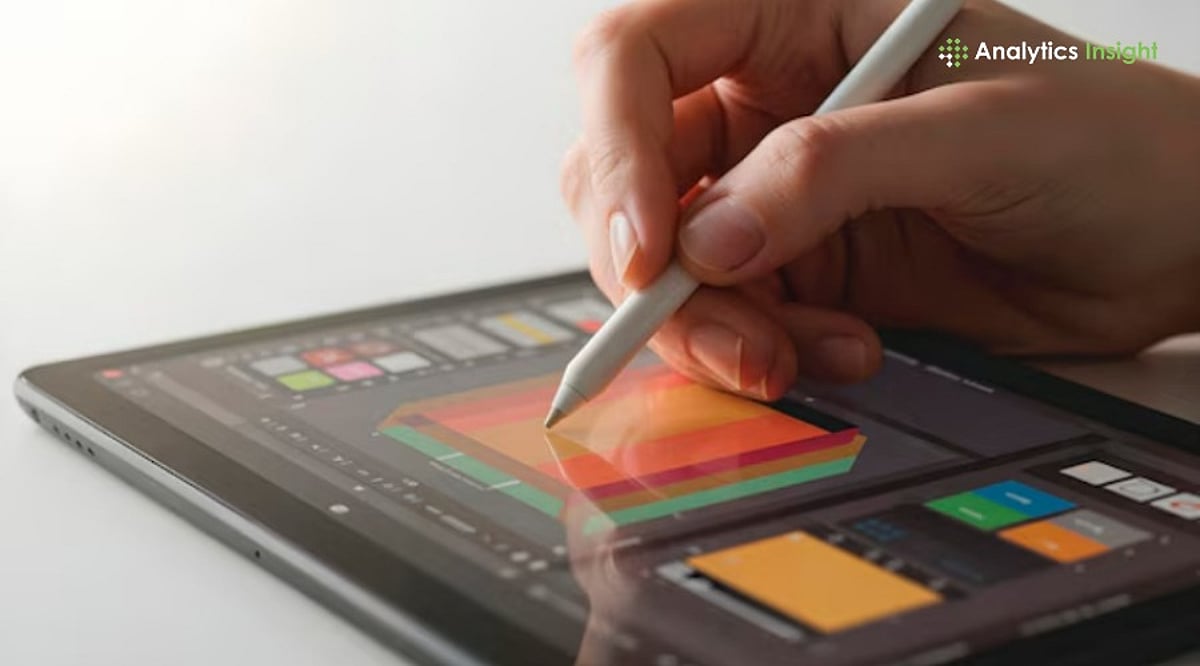
AI graphic design tools are rapidly changing the landscape of creative work, providing functionalities that enhance both efficiency and creativity. These platforms assist users in developing layouts, creating images, defining brand identities, and automating various workflows. The integration of artificial intelligence into graphic design is not only streamlining processes but also enabling designers to focus more on strategic thinking and artistic direction, areas where human insight remains irreplaceable.
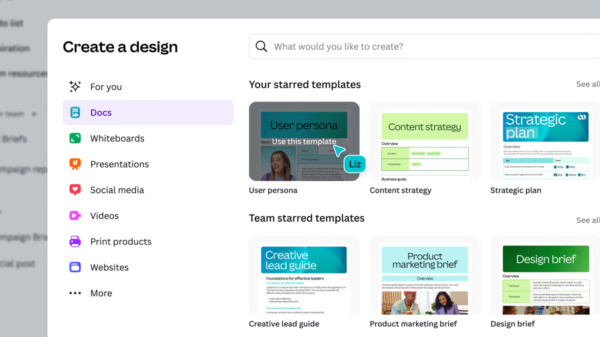
As these tools gain traction, the question arises: can they be effectively utilized by professional designers? The answer is a resounding yes. Numerous AI-based platforms, such as Looka and Canva, offer advanced editing capabilities alongside automation features, allowing professionals to enhance their workflows without compromising on creative quality. This combination of automation and editing power creates an environment where designers can thrive, utilizing technology to their advantage.
For those specifically engaged in branding projects, Looka and Canva stand out as particularly effective options. Both tools facilitate the development of brand logos and identity, making them suitable for businesses looking to establish a recognizable presence in the market. These platforms not only simplify the design process but also empower users to experiment with various styles and elements, fostering creativity and innovation.
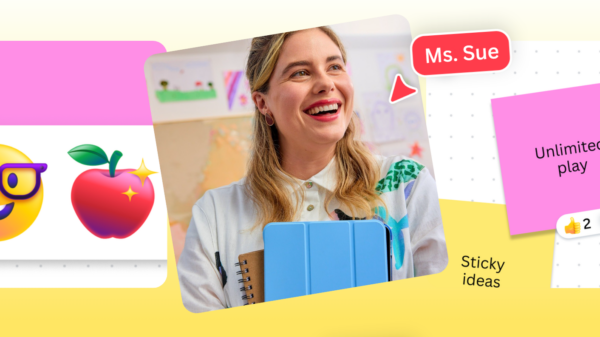
Can beginners easily navigate these graphic design AI platforms? Absolutely. Canva, for instance, is renowned for its user-friendly interface, enabling individuals with little to no design experience to create compelling visuals. This democratization of design is significant, as it opens up opportunities for a broader audience to engage in creative endeavors, unhindered by a lack of technical skills.
Despite the advancements in AI creative tools, concerns linger regarding their impact on the job market for human designers. While these technologies enhance productivity and creativity, they do not eliminate the need for human input. Tasks requiring strategic thinking, artistic direction, and nuanced understanding of client needs remain firmly in the domain of human designers. Instead of replacing jobs, AI tools are poised to complement the work of creative professionals, allowing them to focus on higher-level tasks while automating more routine aspects of design.
The intersection of AI and graphic design represents a significant shift in how visual content is created and consumed. As these tools continue to evolve, they will likely offer even more sophisticated features, further blurring the lines between human creativity and machine assistance. For professionals and amateurs alike, the future of graphic design is not about competition with AI but rather collaboration, as both elements can coalesce to produce stunning visual narratives. In this dynamic landscape, embracing technological advancements will be crucial for anyone seeking to succeed in the ever-changing world of design.
See also AI Tools Aim to Reduce Permit Approval Times by 70% in Vancouver Real Estate
 Top 10 AI Tools for Teachers in 2026: Boost Productivity and Enhance Learning
 Judge Rules AI-Generated Documents Lack Attorney-Client Privilege in Heppner Case
 Amazon Web Services Disruption Linked to Kiro AI Misconfigurations, Claims Report
 Sarvam Launches Indus AI Chatbot with 105B Model and Multilingual Support in India