















































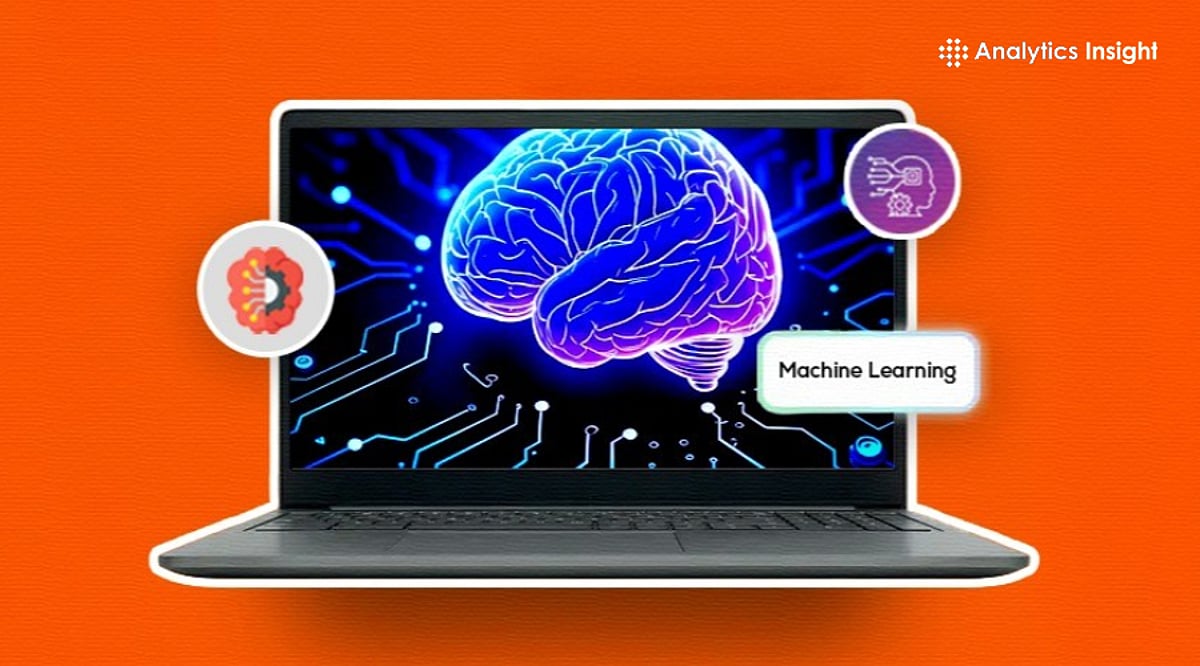
Interpretability in machine learning (ML) has emerged as a crucial topic for developers and businesses alike, emphasizing the importance of understanding how and why models generate specific forecasts. As artificial intelligence continues to permeate various sectors, it is imperative for users to grasp the underlying mechanisms of these technologies to foster trust and facilitate decision-making processes.
For those new to the field, tools such as ELI5 and LIME are recommended for their user-friendly interfaces and straightforward explanations. These tools are designed to demystify complex models, allowing individuals from diverse backgrounds to engage meaningfully with machine learning outputs. By providing clear insights into the reasoning behind predictions, they help bridge the gap between advanced technology and practical user understanding.
In an era where deep learning is increasingly influential, there are specialized tools like Captum and OmniXAI that take interpretability a step further. These tools are tailored for neural networks, offering powerful insights into how these intricate models operate. As the architecture of machine learning models grows more complex, the demand for robust interpretability tools has intensified, especially in enterprise settings.
However, the computational demands of some interpretability tools can present challenges. For instance, while SHAP (SHapley Additive exPlanations) is highly regarded for its ability to clarify model predictions, it can be slow and resource-intensive. Despite these limitations, it remains applicable in many real-time contexts, making it a valuable resource for businesses aiming to integrate AI into their operations.
Enterprise systems have increasingly adopted these interpretability tools, with SHAP, InterpretML, and OmniXAI gaining traction in corporate workflows. Organizations are recognizing that understanding model outputs is not just a technical requirement but a business imperative. As AI systems are embedded into various decision-making processes, the need for transparency and accountability becomes paramount, further driving the adoption of interpretability solutions.
Looking ahead, the landscape of machine learning interpretability is poised for significant evolution. As businesses continue to implement AI technologies, the emphasis on making these systems understandable and trustworthy will likely grow. Stakeholders, including regulators and consumers, are increasingly demanding clarity in AI operations, pushing the industry toward more robust interpretability frameworks. This shift not only enhances user confidence but also ensures that the deployment of AI aligns with ethical standards and societal expectations.
See also Dark Web AI Tools Empower Criminals: New Threats to Security and Society
 Google Completes December 2025 Core Update, Triggering Major Ranking Volatility
 AI Adoption Soars in India, Yet Productivity Gains Remain Invisible in Official Stats
 AI-Powered Shopping Surges as 49% of Gen Z Use ChatGPT for Style Discovery
 AI-Powered Fraud Detection Tools for 2026: Top 6 Solutions to Combat Document Forgery