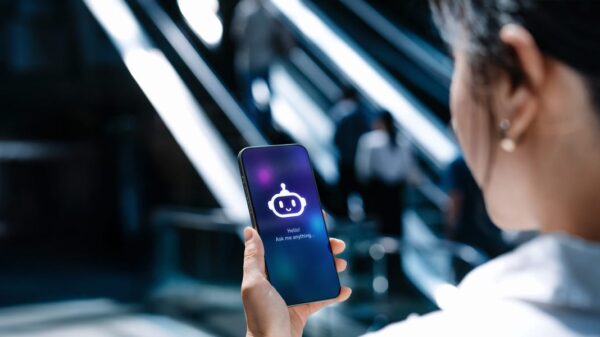
Brands are facing increasing consumer skepticism as shoppers begin to question the authenticity of values-led marketing. According to Colleen Ryan, partner at The Research Agency (TRA), the trust once placed in brand messaging is now shifting toward artificial intelligence (AI) platforms, which consumers perceive as more credible.
Ryan noted that consumers are drawn to AI due to its authoritative tone, likening it to the trustworthiness evoked by the white coats often depicted in toothpaste commercials. “Because of the interface you get with these tools, it’s like you’re talking to a human being, but this ‘human’ is way more informed,” she explained in an interview with Mediaweek. “It speaks with authority, and as human beings, we’re very susceptible to authority bias.”
A recent study by TRA on the future use of AI in businesses revealed that consumers value the feeling of control more than perfect outcomes. “Most people would accept a worse outcome as long as they kept the freedom to choose,” Ryan stated, adding that “serendipity is fun.” She cautioned that a world where organizations dictate consumer choices could lead to a dull and predictable existence, stripping away opportunities for discovery and spontaneity.
Ryan also expressed concerns that some brands may be personalizing their marketing efforts too much. “Brands know so much about you that they can personalise messages and even the tone of voice they use,” she noted. If a consumer dislikes a particular color, for example, brands could adjust their visuals accordingly, but this could dilute the shared cultural significance of the brand. “If you make a brand really personalised, it no longer has shared meaning. It only has individual meaning,” Ryan added.
As marketers in Australia and New Zealand prepare for 2026, Ryan urged them to embrace transparency. “Nobody wants to be completely honest and open. Remember when restaurants started to have open kitchens? A lot of them said, ‘We can’t do that,’” she recalled. However, she believes that those who can adopt a level of transparency will ultimately build trust with their audience.
Moreover, Ryan warned against designing joy out of life, advocating for brands to introduce elements of unpredictability into their offerings. “They should stop creating everything to be frictionless, seamless, and predictable, and instead introduce spontaneity and discovery,” she said. Even if a spontaneous decision does not turn out well, the experience can still provide a buzz that a perfectly orchestrated outcome may lack.
As brands increasingly invest in AI technologies, the challenge will be finding a balance that resonates with consumers while retaining the authenticity that fosters trust. With the evolving landscape of consumer expectations, marketers may need to rethink their strategies to navigate this complex environment effectively.
Keep on top of the most important media, marketing, and agency news each day with the Mediaweek Morning Report – delivered for free every morning to your inbox.
See also ServiceNow Acquires Moveworks to Enhance AI Workflows and Drive Employee Productivity
 5 Essential Workflow Automation Tools with AI Features for Professionals
 ImagineX Launches 100+ AI Models, Revolutionizing Video and Image Creation for Creators
 NVIDIA Stock Rises 0.63% as Nemotron 3 Launch Sparks AI Demand and Analyst Upgrades
 ByteDance’s Doubao AI Phone Receives Biweekly Updates Amid Ongoing Privacy Concerns