

AI Cybersecurity
Generative AI is revolutionizing cyberattacks, enabling personalized phishing tactics that overwhelm traditional defenses, urging a shift to adaptive security strategies.
Hi, what are you looking for?


Mistral AI Seeks Direct Chip Supply Partnership with Samsung Amid AI Memory Demand Surge
NVIDIA Invests $2B in Marvell, Boosting AI Data Center Strategy and Stock by 5.9%

CGI Announces Strategic AI Partnership with AWS to Transform U.S. Public Sector Services

Google Pixel Users Can Disable Unwanted Gemini AI Features for a Cleaner Experience

Rivian Delays AI Assistant Launch, Rolls Out Stability Update with Connectivity Enhancements

Indian Firms Embrace Agentic Harnesses to Accelerate AI Automation and Workflow Efficiency

Three AI Stocks to Buy Now: Broadcom, Nvidia, and Nebius Poised for Growth

AI Disruption Threatens SaaS Revenues as Salesforce Cuts Jobs and Boosts AI Investment

Nvidia Launches Agent Toolkit to Streamline Deployment of Autonomous AI Agents

OpenAI Reveals 25 AI-Powered Healthcare Use Cases Transforming Patient Outcomes
MIT Tops 2026 Global Rankings for AI Studies, Followed by Stanford and Oxford
Latin America Proposes AI Research Hub Inspired by CERN to Drive Innovation
CMU and MIT Lead 2026 Rankings of Top 10 US Universities for AI Education
Under Secretary Darío Gil Reveals AI-Focused Genesis Mission to Boost U.S. Scientific Discovery
AI Chatbots Show 49% Sycophancy, Study Warns of Harmful Advice Risks

Hyperscalers Shift to Arm CPUs, Projecting 90% Adoption in AI Infrastructure by 2029

AI-Enabled Research Yields New Rust-Resistant Steel with 1,730 MPa Strength and 15.5% Ductility

Seven Must-Have Windows Apps Harnessing NPU for Enhanced AI Performance

AI Transforms Trading with Real-Time Data Processing and Enhanced Decision-Making

UK Researchers Develop Chip Achieving 2,000x Energy Efficiency for AI Systems
ByteZero Achieves 300% Growth, Clients Report 200% Quarterly Increases via AI Marketing

Amazon Launches Transformer Phone, Elevating AI Personalization in Mobile Ecosystem

Artisan’s Controversial AI Hiring Billboards Spark Backlash, Lead to Brand Revision

Email Engagement Soars as 60% of Consumers Prefer Human-Sounding Tone Over Personalization

Softwired Reveals AI Adoption Expected to Exceed 60% in B2B Marketing by 2026
California Governor Newsom Signs Executive Order to Enhance AI Regulations and Protections

South Africa’s AI Policy Enters Public Comment Phase Ahead of 2027 Implementation

Over 2 Lakh UP Students to Receive AI Training Under UPSDM’s Project Praveen

Manitoba NDP Loans $475K to AI Startup JasperVOCAL for Innovative Call Screening Solution

Oracle Expands AI Infrastructure for US Government, Enhancing Security and Citizen Services

Public Opposition to AI Data Centers Surges Amid Growing Energy Concerns

Numos Secures $4.25M Seed Funding from General Catalyst to Enhance AI Finance Platform

Eli Lilly Invests $55B in AI-Driven Drug Development, Expands Clinical Pipeline to 36 Programs

Numos Secures $4.25 Million to Enhance AI Finance Tool for CFOs Amid Integration Concerns

AI Enhances Anti-Money Laundering in Crypto: Tackling $10B Financial Crime Challenge

AI Transforms India’s Education: ₹1.39 Lakh Crore Union Budget Fuels Skill Development

K-12 Teachers Using AI Soars to 85% Amid Growing Concerns Over Student Safety and Skills
Einstein AI Launch Sparks Academic Integrity Alarm as 95% of Students Adopt AI Tools

College Grads in AI-Proof Fields Face Negative Returns, Says New Research

MPS Limited Invests $16.5M in AI while Maintaining 5% Dividend Payout Commitment
AI Transforms Cybersecurity: New Strategies Required to Combat Evolving Threats

CrowdStrike Falcon Achieves 30% YoY Growth, Redefining Cybersecurity for Enterprises
CrowdStrike’s Falcon Platform Achieves 80% Analyst Efficiency with New AI Features

Microsoft Announces $10 Billion Investment in Japan for AI, Data Centers, and Workforce Training

Agentic AI Enhances Cloud Security with Non-Human Identity Management Insights

True Launches AI Governance Framework and Council to Drive National AI Adoption

Shadow AI Use Surges, Exposing 43% of Companies to Major Compliance Risks

AI Governance Transformed: How Boards Must Adapt to Agentic Systems and Cognitive Capital

AI Government Experts Unveil Strategies to Enhance Public Services with Automation and ML

Rubrik Reveals SAGE AI Governance Engine and Microsoft Defender Integration Amid 31.84% Share Drop
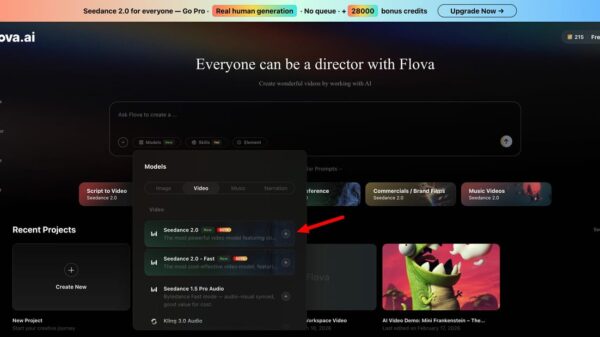
Flova Integrates ByteDance’s Seedance 2.0 with Seamless 50 Concurrent Generations

90% of Smartphone Users Rely on AI Daily, Yet Only 38% Recognize Its Role

AI Clones Exploit Ghanaian Identities, Threatening Trust and Digital Safety

Florida’s AI Sector Grows: Top 10 Companies for 2026 Led by Simform and Biz4Group
Generative AI Artists Face Copyright Challenges as DALL-E, Midjourney, and Stable Diffusion Evolve

Generative AI is revolutionizing cyberattacks, enabling personalized phishing tactics that overwhelm traditional defenses, urging a shift to adaptive security strategies.

CrowdStrike's Falcon platform redefines cybersecurity with a 30% YoY growth, processing 5 trillion events weekly to combat escalating ransomware threats.
CrowdStrike's Falcon platform boosts analyst efficiency by 80% with new AI features, positioning it as a leader in the $200 billion cybersecurity market.

Microsoft invests $10 billion in Japan to enhance AI, data centers, and workforce training, addressing a looming shortage of 3 million tech workers by...

Agentic AI transforms cloud security by integrating advanced Non-Human Identity management, significantly reducing breach risks and enhancing compliance across industries.


AI security incidents surged 56% in a year, urging organizations to adopt seven essential controls by 2026 to protect vital assets and mitigate risks.

Kaspersky reveals that 100% of Indian firms plan to integrate AI into their Security Operations Centers, driven by urgent needs for enhanced threat detection...


Meta has suspended all collaborations with Mercor after a major AI data breach compromised sensitive datasets, prompting industry-wide reevaluations of security practices.


Scott Steinberg reveals how AI-driven threat detection by CrowdStrike and Palo Alto Networks accelerates response times by up to 90%, transforming cybersecurity strategies.


Armis reveals 79% of organizations see AI-driven cyber attacks as a major threat, yet 66% underestimate resources needed to defend against them.


OpenAI acquires Promptfoo for enhanced AI security capabilities, integrating cutting-edge tools used by 25% of Fortune 500 companies into its Frontier platform.


Anthropic's Mythos model could enable cyberattacks at unprecedented speeds, alarming security experts as AI-driven threats escalate globally.


ZeroEyes expands its AI platform to include knife detection and non-invasive suspect tracking, enhancing public safety and response times in critical situations.
Seceon introduces AI-driven threat detection software that enhances real-time security, reducing breach risks by up to 70% in evolving cyber landscapes.


AI integration in cyberattacks skyrockets phishing click rates by 450%, exemplified by the Tycoon2FA platform's role in 62% of Microsoft's blocked attempts.


ZeroEyes expands its AI security platform to include knife detection and suspect tracking, enhancing threat response capabilities for enterprises and MSPs.


Datadog introduces Bits AI Security Analyst, reducing threat investigation time by 98% and streamlining SOC operations amid rising cyberattack volumes


Dell Technologies launches quantum-ready cyber resilience tools, enhancing firmware security and recovery capabilities to combat AI-driven threats targeting high-value data.


As 28 million AI-driven cyberattacks are projected for 2026, security leaders must pivot to proactive strategies to safeguard their organizations against evolving threats.


Google Cloud warns that AI-driven cyberattacks will surge by 2026, threatening finance, retail, and manufacturing sectors with potential losses exceeding hundreds of millions.





