



















































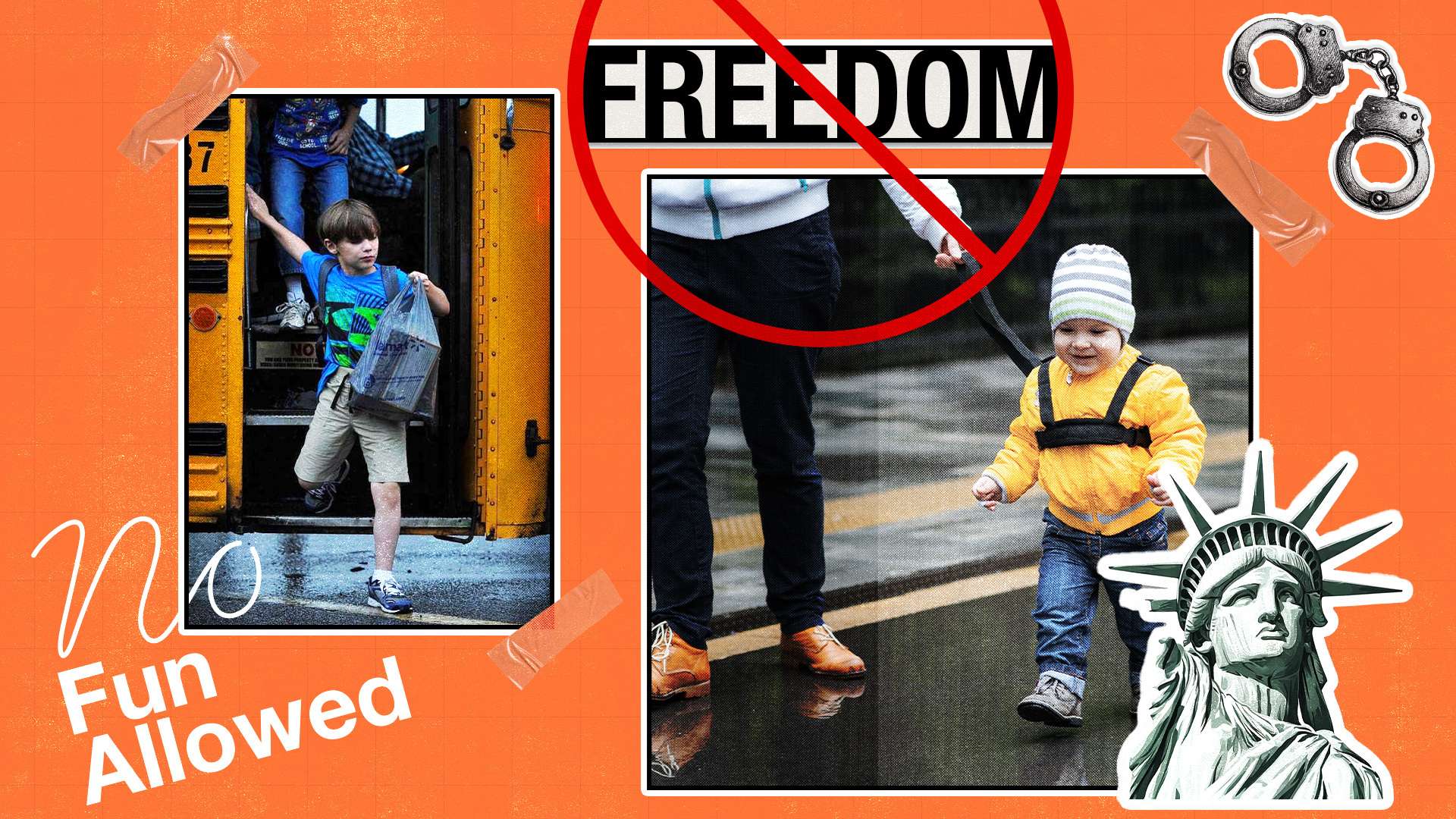
In 2025, the debate over childhood independence intensified, characterized by a series of incidents that highlighted the challenges parents face in granting their children autonomy. Amidst growing fears and regulatory measures, the year was marked by arrests and investigations, painting a picture of a society that remains cautious about allowing children the freedom to explore their environments.
A March Harris Poll revealed that most children aged 8 to 12 have never ventured out independently; 45 percent reported never having walked in a different aisle than their parents at a store, while 71 percent had never used a sharp knife. This lack of independence raises questions about the increasing digital engagement among youth, as children seek outlets beyond physical play.
Parental concerns about leaving children unsupervised were underscored in another Harris Poll, which found that 50 percent of parents believed it was “very likely” or “somewhat likely” that two 10-year-olds playing in a park without adult oversight could be abducted. Additionally, 57 percent expressed worry that they would face public shaming for neglecting their children. Such perceptions appear to be influenced by a societal trend that prioritizes safety over independence.
Vacations, typically associated with fun and exploration, were also highlighted in a University of Michigan/CS Mott Children’s Hospital poll. One in five parents reported never allowing their teenagers to be away from them during trips, while only 31 percent would permit their teen to walk a short distance to a coffee shop. The barriers to independence extend even further, with less than half of parents feeling comfortable leaving their teens alone in hotel rooms while they stepped out for breakfast.
In a troubling instance from Michigan, a kindergarten student was previously allowed to walk home from the bus stop, only to find new district regulations mandated adult supervision for any child in kindergarten or first grade. This change forced parents like Tali Smith to forgo their children’s independence, as they must now wait in cold weather to escort their children home, highlighting a shift in expectations for parental oversight.
Pennsylvania’s “Reasonable Childhood Independence” bill was introduced amid similar concerns. During a testimony, attorney Mariel Mussack recounted the case of a health care aide who was placed on the state’s child abuse registry after leaving her 13-year-old brother to babysit her infant. Such punitive measures serve as stark warnings to parents considering granting their children more independence.
In Colorado, police issued warnings that children riding bicycles on sidewalks could face tickets, raising eyebrows about the priorities of law enforcement in areas like Aspen, where some residents mocked the lack of serious crime concerns in the community.
The most tragic story of the year occurred in Gastonia, North Carolina, where parents Sameule and Jessica Jenkins faced severe legal repercussions after their son Legend was struck and killed by a car while walking to a grocery store. The couple was jailed on $1.5 million bail each, only to be released briefly to say goodbye to their child before returning to custody. Now, while out on parole, they face restrictions that prevent them from living with their other children, showcasing the harsh realities of a system that often penalizes grieving parents.
Amid ongoing fears of human trafficking, prominent advocacy voices like Kaytlin Bailey argue that the narrative overemphasizes dangers that do not reflect reality, particularly for middle-class families. Bailey suggests that the hysteria surrounding child abductions echoes historical panics, diverting attention from the actual risks children face.
In Ardmore, Pennsylvania, Adam Washington’s family faced scrutiny after police responded to a report of “two men” playing catch in a park. This incident underscored the absurdity of age restrictions in public spaces, illustrating how parents are frequently monitored for merely trying to engage in family activities. Washington noted that the situation exemplified the challenges of parenting in a climate of suspicion.
Despite the setbacks, there were notable victories for advocates pushing for childhood independence. With support from the non-profit Let Grow, three additional states—Florida, Georgia, and Missouri—passed Reasonable Childhood Independence laws in 2025, bringing the total to 11. These laws allow parents to let their children walk to local destinations without fear of intervention from authorities, a significant step toward easing the burden of constant supervision.
As conversations about childhood freedom continue, there remains a pressing need to balance safety with independence. Advocates argue that empowering children to engage with their surroundings could foster resilience and responsibility, challenging the trend of overprotectiveness. Let Grow remains committed to championing this cause, aiming to create a world where childhood autonomy is both celebrated and normalized.
See also Unlock 100% Returns: Invest in the Hidden Energy Stock Powering AI’s Future
 S&E Company Launches AI-Driven Agritech Platform B•good in Vietnam to Enhance Agricultural Resilience
 Elon Musk Claims Optimus and Grok Could Revolutionize Healthcare Over Government Systems
 Alibaba Prepares for Market Open Amid Key AI Chip Developments, Pricing Rules Impact
 AI Revolutionizes Tax and Accounting: KPMG’s New Metrics and Key Insights for 2025