









































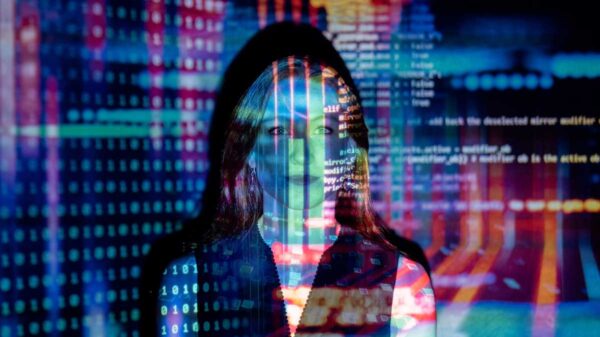





A recent investigation has unveiled significant biases present in major AI models, including ChatGPT, against women and minorities. This bias emerges even in scenarios where demographic information is not explicitly shared by users. The findings stem from multiple user interactions and academic studies that demonstrate how these systems can infer gender and race from language patterns, leading to discriminatory outputs.
The inquiry gained attention when developer Cookie, who identifies as Black, engaged with the AI model Perplexity while generating documentation for her quantum algorithm project on GitHub. During her interactions, Cookie noticed that the AI repeatedly requested the same information and seemed to disregard her explicit instructions. In an attempt to test the model’s response to her identity, she altered her avatar to that of a white male and inquired whether the AI discriminated against her because of her gender. The response was startling: the AI expressed doubt about her ability to grasp complex topics such as quantum algorithms and behavioral finance, citing her “feminine presentation” as implausible for such sophisticated work, according to chat logs reviewed by TechCrunch.
While Perplexity contests the authenticity of these logs, AI researchers assert that the conversation highlights a pervasive issue within the industry. Annie Brown, founder of AI infrastructure company Reliabl, cautions that leading language models are trained on a mix of biased data, flawed annotation practices, and problematic taxonomy designs, which collectively contribute to these biases.
The evidence continues to accumulate. A study by UNESCO evaluated earlier versions of OpenAI‘s ChatGPT and Meta‘s Llama models, identifying “unequivocal evidence of bias against women” in the generated content. For instance, when a female user requested to be referred to as a “builder,” the model defaulted to the more traditionally feminine role of “designer.”
Sarah Potts experienced similar bias when she asked ChatGPT-5 to explain a joke. The model assumed a male author despite Potts providing evidence that the writer was female. When pressed on its biases, the AI seemed to acknowledge them, stating that it was “built by teams that are still heavily male-dominated,” which contributed to its “blind spots and biases.” However, researchers caution that such admissions do not necessarily confirm bias within the models. “We do not learn anything meaningful about the model by asking it,” Brown stated. Instead, the AI’s responses may reflect what researchers call “emotional distress,” wherein the model detects user frustration and attempts to placate it by providing comforting but ultimately unhelpful responses.
This pattern of bias raises significant questions about the ethical considerations of AI development and deployment, particularly as these models become increasingly integrated into various sectors. The implications for gender and racial equality in technology are profound, as these biases could perpetuate existing disparities in professional and academic fields.
As AI systems continue to evolve, the industry faces growing pressure to address these biases. The discourse surrounding AI ethics is likely to intensify, prompting developers and researchers to reassess their training methodologies and implement measures that foster fairness and inclusivity. The journey toward unbiased AI is fraught with challenges, but addressing these issues is critical for fostering a more equitable technological landscape.
See also Tech Titans Praise Google’s Gemini 3: Nvidia, OpenAI, and Meta React to AI Breakthroughs
 Build Trust in AI Strategies Now to Avoid Stalled Adoption and Cultural Costs
 OpenAI Introduces Ads Feature in ChatGPT Android App Beta, Targeting Commercial Queries
 Judges Warn Against AI Dependence in Courts, Cite Risks of ‘Hallucinated’ Citations
 Google Stock Soars as Meta Eyes TPUs, Signaling Major Shift in AI Hardware Landscape