





















































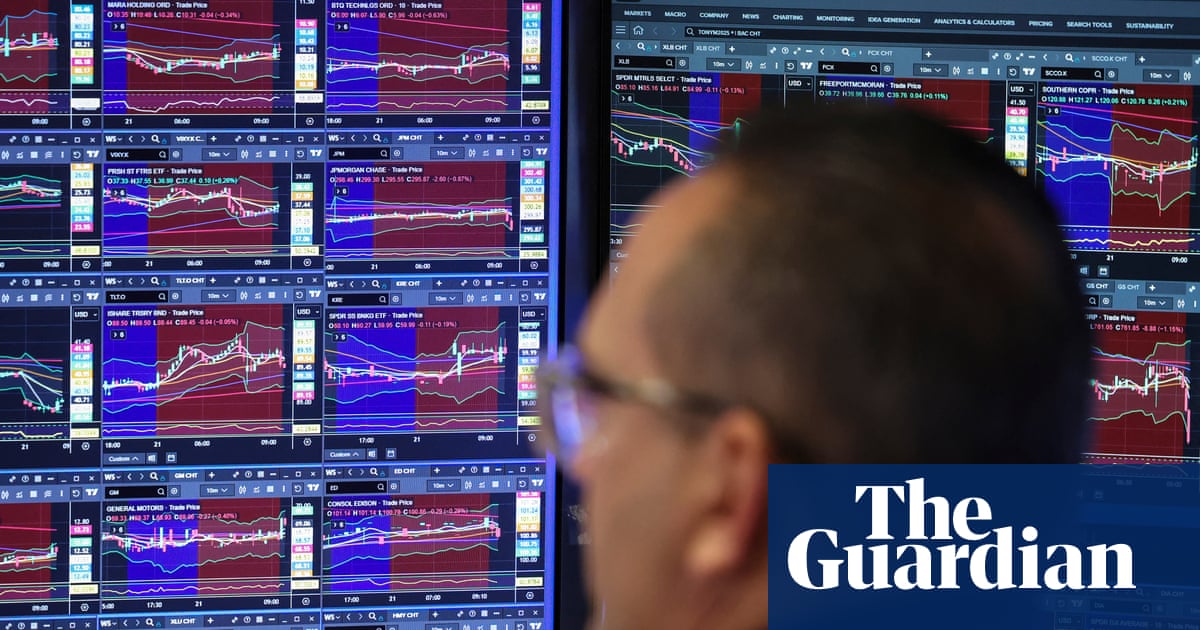
For months, concerns have been mounting that the current enthusiasm surrounding artificial intelligence (AI) may be a bubble poised to burst. As Blake Montgomery, the US tech editor for the Guardian, notes, the so-called “magnificent seven”—Alphabet, Amazon, Apple, Meta, Microsoft, Nvidia, and Tesla—account for one-third of the value of the S&P 500, which includes the 500 largest stocks in the US market. All these companies have heavily invested in AI technologies.
This unprecedented reliance on a single technology raises questions about sustainability. Despite the trillions of dollars poured into the sector, AI has yet to demonstrate a consistent ability to generate profits. Analysts and investors alike are now contemplating the possible ramifications if confidence in AI were to wane, leading to reduced funding and a potential market collapse.
As Nosheen Iqbal poses in her recent commentary, what might happen if the faith in AI falters, the flow of capital ceases, and the industry experiences a significant downturn? The implications could be far-reaching, not just for the tech giants but for the broader economy, which has become increasingly intertwined with AI advancements.
Investors are particularly wary of the stark reality that while AI has captured the public’s imagination, the path to profitability remains elusive. Many companies are still in the development phase, focusing on research rather than revenue generation. For instance, despite its innovations, Nvidia, a leader in AI hardware, has yet to convert its breakthroughs into sustainable profit margins. The same holds true for OpenAI, which, despite its high-profile releases, has not yet established a clear monetization strategy.
The tech sector’s fervor for AI development has been largely fueled by the promise of transformative capabilities. From automation in logistics at Amazon to advanced language models from OpenAI, the potential applications seem limitless. However, as history has shown with other technological bubbles, excitement can quickly turn into skepticism.
The landscape has already begun to shift as market analysts express caution. More than just a question of financial stability, the perception of AI as an investment can significantly influence its development and integration across various sectors. Should confidence diminish, companies may scale back on their ambitious AI projects, which could ultimately stifle innovation at a time when it is most needed.
Furthermore, regulatory scrutiny is intensifying, adding another layer of complexity to the AI narrative. Governments worldwide are increasingly aware of the ethical and societal implications of AI technologies, leading to calls for accountability and transparency. The European Union, for example, is pushing ahead with its AI Act, aimed at creating a regulatory framework that addresses potential risks associated with AI deployment.
As the hype surrounding AI technology continues, the market will be watching closely for any signs of weakness. The delicate balance between investment and profit generation is critical for these corporations, which are now finding themselves at a crossroads.
Looking ahead, the future of AI remains uncertain. If the bubble does burst, it may lead to a recalibration of expectations, forcing companies to focus on achievable goals rather than unbounded ambition. This shift could foster a more responsible approach to AI development, one that emphasizes not just innovation but also sustainable growth and ethical considerations.
In a world increasingly reliant on technology, the ultimate test for AI will not just be about its capabilities but also its alignment with economic realities and societal needs. The coming months will be pivotal in determining whether the current AI boom can transition into a stable, enduring industry or whether it risks becoming another chapter in the history of market overexuberance.
Nvidia and OpenAI represent two of the key players navigating this complex landscape. Their decisions will likely shape the AI sector’s trajectory and influence investor confidence moving forward.
See also Demis Hassabis Urges Maximum AI Scaling to Achieve AGI Amid Industry Concerns
 UAE’s $148B AI Investment Set to Boost Economy by 0.7%, Says IMF’s Jihad Azour
 Marvell Acquires Celestial AI to Revolutionize Optical Interconnects for AI Data Centers
 DeepSeek Launches V3.2 Model, Achieves Gold Medal-Level Math Performance