












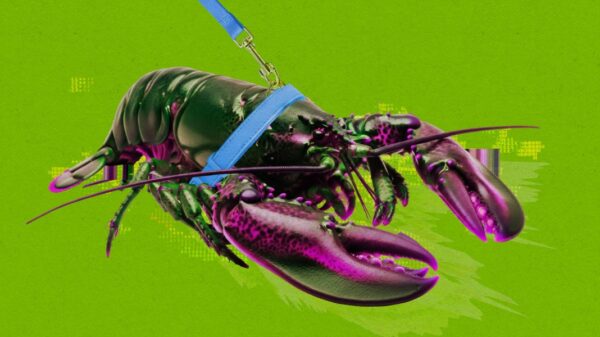




























An unsettling image of a shrimp-and-jam-filled croissant flashes across social media feeds, emblematic of the bizarre and surreal capability of artificial intelligence. This advertisement, promoting a product that likely doesn’t exist from an obscure company, is one among thousands of AI-generated spectacles contending for user attention and spending. This influx of digital marketing, dubbed the “great sloptening” by some insiders, signifies a profound shift fueled by aggressive e-commerce, particularly from Chinese-backed giants like Temu and Shein, alongside the radical accessibility of AI image generators such as Midjourney. For a fraction of traditional advertising costs, these companies can produce an almost limitless array of eye-catching, if often nonsensical, visuals aimed at capturing consumer attention.
The current digital landscape prioritizes clicks and conversions over brand-building or creative integrity. The economic rationale driving this wave of AI-generated content is brutally efficient; performance marketing focuses on return on ad spend, often utilizing A/B testing with hundreds or thousands of ad variations to determine the cheapest clicks. Generative AI has accelerated this process, reducing the time and expense required for ad creation from weeks and thousands of dollars to mere minutes and cents. The resulting advertisements frequently showcase warped human figures, impossible products, or unsettling food combinations, designed to provoke reactions that momentarily stop users from scrolling.
This strategy has proven advantageous for dropshippers and fast-fashion behemoths prioritizing speed and volume over brand coherence. In fact, the unconventional aesthetics of these ads have become a tactical approach; the sheer oddity is what initially captures engagement. Whether the user is confused or amused is secondary; the algorithm registers it as a signal of interest, potentially expanding the ad’s audience. This creates a feedback loop where the most outlandish content is rewarded, cluttering the digital advertising space.
In stark contrast, some of the world’s largest brands are cautiously embracing AI for entirely different purposes. Companies like Coca-Cola are investing significantly in exploring how generative AI can enhance, rather than replace, high-concept creative work. For example, Coca-Cola’s “Create Real Magic” campaign invited digital artists to employ AI tools for generating original artwork featuring the company’s iconic assets. This initiative represents a curated, brand-safe approach that leverages AI as a collaborator in the creative process.
This divergence has produced a two-tiered advertising system. Established brands utilize AI as a sophisticated tool for large-scale campaigns requiring substantial human oversight and strategic direction. Conversely, a rapidly growing market segment employs AI as a fully automated content factory, emphasizing quantity over quality. Industry veterans warn that this immense volume could devalue digital advertising as a whole, eroding consumer trust and patience.
The platforms hosting these ads, primarily Meta’s Facebook and Instagram, face a significant challenge. Their business models rely on democratizing access to advertising, but their automated review systems are designed to detect clear violations like hate speech or scams, not to assess aesthetic quality or factual accuracy. An AI-generated ad for a nonexistent product may not breach any specific rules, leaving moderators ill-equipped to manage the flood of low-quality content. The rapid creation and deployment of such ads far outpace the platforms’ capacity for meaningful review.
This dilemma is exacerbated by the fact that high-volume advertisers constitute a crucial source of revenue. According to a report from The Wall Street Journal, Chinese advertisers, including Temu and Shein, have become some of Meta’s largest customers, spending billions on the platform. This financial dependency creates a disincentive for Meta to enforce stricter regulations on the very advertisers using these new AI techniques, even if it compromises user experience. Consequently, the digital environment becomes increasingly cluttered, blurring the line between legitimate commerce and bizarre AI-driven creations.
For creative professionals skilled in developing compelling brand narratives—photographers, copywriters, and art directors—this new era poses an existential threat. The expertise cultivated over years faces competition from AI models capable of generating acceptable, albeit soulless, alternatives in mere seconds. While premier agencies collaborating with global brands may remain relatively secure, mid- and lower-tier segments are under significant pressure to adopt AI for cost reduction and speed enhancement, leading to fears of a race to the bottom.
The industry discourse is shifting from creating impactful campaigns to generating maximum assets at minimal costs. Some creative leaders argue that AI should function as a co-pilot, a tool for handling mundane tasks and freeing humans for strategic thinking. However, the current dominance of performance marketing suggests that the market favors automation over artistry. The long-term outcome could lead to a hollowing out of the creative sector, where unique human perspectives are increasingly viewed as luxury rather than necessity.
As consumers grow accustomed to the quirky, often flawed aesthetics of AI-generated content, new questions about authenticity and trust arise. The proliferation of synthetic imagery may paradoxically heighten the value of genuine photography and design for brands seeking to assert quality and reliability. A backlash against the sterile perfection or outright weirdness of AI could prompt consumers to favor brands that prioritize human-made content, carving out a niche for authenticity amid a landscape saturated with digital artifice.
The advertising industry stands at a crossroads, grappling with the tension between the short-term benefits of hyper-efficient, AI-driven performance marketing and the long-term need to cultivate sustainable, trustworthy brands. The current flood of AI-generated content serves as a litmus test for platforms, advertisers, and consumers alike. The industry’s response will not only shape the future of digital advertising but also redefine the evolving relationship between human creativity and artificial intelligence in the commercial realm.
See also Google’s AI Overviews Cite YouTube 16.5% for Health Advice, Overriding Trusted Sources
 David Tepper Exits Oracle, Micron, Intel; Invests in Qualcomm Amid AI Chip Surge
 AI Designs First Complete Genetic Blueprint for Virus Targeting Superbugs, Revolutionizing Synthetic Biology
 World Economic Forum Reveals Critical AI-Workplace Inflection Point Amid Skills Gap
 AI in Customer Support: Study Shows 14% Speed Boost, But Quality Takes a Hit