The global governance of artificial intelligence (AI) faces a critical challenge: how to establish ethical guidelines without stifling innovation. So far, various countries and regions have struggled to find a workable balance, often leaning too heavily in one direction while espousing a commitment to both ethics and progress.
The idea of responsible AI (RAI) reflects the aspiration to harmonize these competing priorities. RAI encompasses principles such as ensuring algorithms are based on accurate datasets and safeguarding privacy and human rights. While these principles are commendable, their practical application within AI governance remains unclear, particularly in terms of fostering an environment conducive to innovation.
Despite its shortcomings, RAI has gained traction among governments, leading to its incorporation into national AI policies across several nations. International organizations, including UNESCO with its Global AI Ethics and Governance Observatory, advocate for RAI to help shape global standards and national policies. However, these top-down initiatives often clash with the bottom-up approaches that have proven effective in addressing complex, collective challenges.
In the corporate sector, companies frequently highlight their commitment to RAI, even as they resist regulations that would mandate adherence to these principles. Additionally, academic institutions have jumped on the RAI bandwagon, offering courses in AI ethics, though these are often situated outside the computer science curriculum, limiting exposure for the very students who are shaping the technology.
Ultimately, the practicalities of AI governance are critical. Policymakers worldwide grapple with the challenge of reconciling ethical obligations with the need for innovation. Countries like South Korea and Japan appear to have struck a balance, while the European Union prioritizes ethical considerations, diverging from the more innovation-driven strategies of the United Kingdom and the United States.
The EU’s proposed 2024 AI Act aims to establish a balanced framework by categorizing AI applications based on risk levels. Higher-risk applications would face more stringent regulations, while those deemed minimal risk would remain unregulated. The EU’s experience in enforcing these ethical norms could provide valuable lessons for other regions as it monitors compliance among member states. However, as noted by French President Emmanuel Macron, the EU currently lacks momentum in AI innovation, and the European Commission continues to struggle with articulating a competitive strategy.
In contrast, the U.S. initially approached AI governance with a focus on research and development, as demonstrated by its 2016 national AI strategy, which emphasized innovation over ethical considerations. The response from China in 2017 underscored the competitive landscape as it adopted its own innovation-focused strategy.
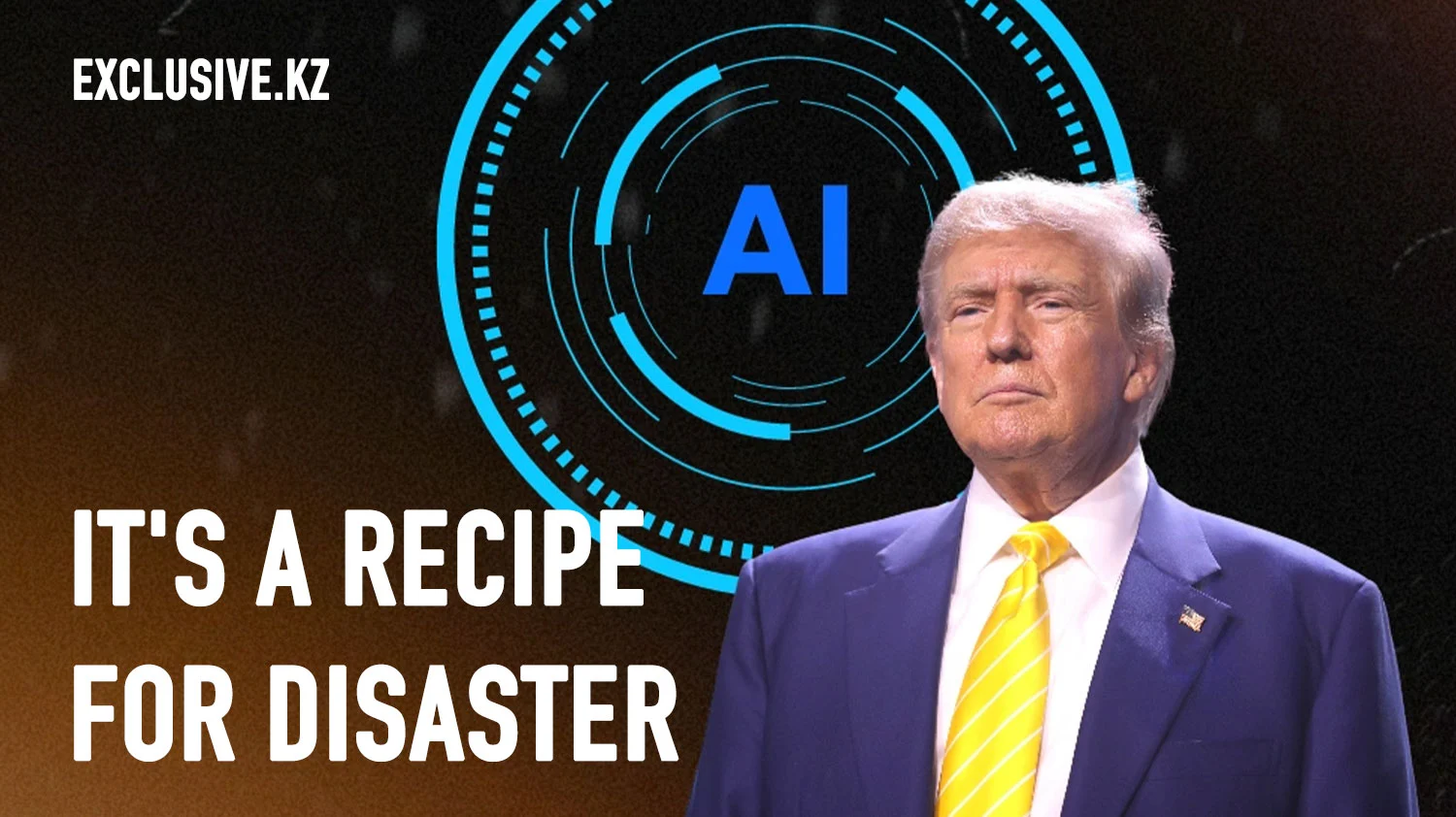
The Biden administration sought a more balanced approach, highlighted by the 2022 Blueprint for an AI Bill of Rights and the 2023 Executive Order on AI safety. However, the return of Donald Trump to the presidency saw a sharp pivot back towards prioritizing innovation. His January 2025 executive order aimed at removing perceived barriers to U.S. AI leadership revoked many of the policies that had sought to uphold ethical standards in AI development.
Trump’s administration has largely sidelined human rights concerns, focusing instead on asserting U.S. technological dominance, particularly in competition with China. The AI Action Plan introduced in July 2025 reflects this shift, declaring a race for global dominance and advocating for faster innovation by dismantling regulatory barriers. Furthermore, it prohibits federal funding for states with stringent AI regulations.
Despite this pro-innovation stance appealing to major tech companies, the Trump administration’s approach risks undermining the very innovation it seeks to promote. While the U.S. still boasts advantages such as a flexible labor market and robust research infrastructure, its failure to provide stable, credible signals to investors and the discouragement of immigration may jeopardize its competitive position in the AI domain.
Neglecting ethical considerations under the guise of promoting innovation is a precarious strategy. At the same time, assuming that ethical frameworks alone can address the complexities of AI governance is equally flawed. As AI technologies evolve rapidly, the imperative to find a sustainable equilibrium between ethical mandates and innovation is becoming increasingly urgent.
Copyright: Project Syndicate, 2025. www.project-syndicate.org
See also Unlock Efficiency: How Small Businesses Can Gain a Competitive Edge with AI Now
 Microsoft Ends Windows 10 Support, Surpassing $4 Trillion Market Cap Amid AI Innovations
 India Soars to No. 3 on Global AI Vibrancy Index, Talent Pool Grows 252% in One Year
 New York Enacts AI Advertising Law Mandating Synthetic Performer Disclosure by June 2026
 Dan Ives Reveals 5 AI Stocks to Buy Ahead of 2026’s Inflection Point