













































A new artificial intelligence model developed at Stanford University can estimate an individual’s risk for around 130 diseases, including Parkinson’s disease, dementia, and various forms of cancer, based solely on one night of sleep data. The tool, named SleepFM, was detailed in a study published in early January in the journal Nature Medicine. According to James Zou, a professor of biomedical data science and co-senior author of the study, this predictive capability could identify health risks years before symptoms manifest.
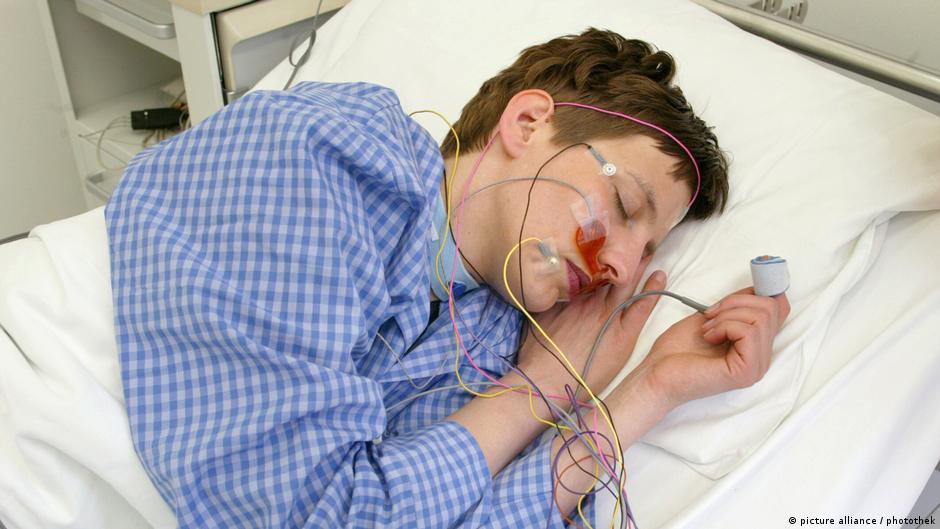
SleepFM analyzes nearly 600,000 hours of polysomnography data collected from over 65,000 sleepers. Polysomnography employs various sensors to monitor brain waves, heart activity, breathing, muscle tension, and movements during sleep. The majority of data utilized for SleepFM originated from Stanford’s Sleep Medicine Center in California.
The model was trained on signals from the brain, heart, and body during uninterrupted sleep, establishing statistical averages for what constitutes “normal.” Subsequently, it learned to recognize different sleep stages and conditions such as sleep apnea. Researchers also integrated data from electronic health records spanning 25 years to identify correlations between sleep patterns and later health diagnoses.
From a potential pool of about 1,000 diseases, SleepFM successfully pinpointed 130 with medium to high accuracy. The findings suggest that various conditions, including stroke and heart failure, can be predicted through sleep data, reinforcing the notion that sleep is a significant biomarker for long-term health. “Our results reveal that many conditions— including stroke, dementia, heart failure, and all-cause mortality—are highly predictable from sleep data,” said Rahul Thapa, a PhD student in biomedical data science and co-lead author of the paper.
The analysis revealed that heart signals during sleep are effective in predicting cardiovascular issues, while brain signals play a more critical role in forecasting neurological and psychological disorders. Notably, the most insightful results arose from a combination of signals. For instance, a stable brain state during sleep paired with a more “awake” heart could indicate underlying physical stresses associated with early disease, potentially emerging long before overt symptoms appear.
The research highlights the importance of interdisciplinary collaboration. “If our colleagues in sleep medicine suspect a connection, we AI specialists can incorporate this into a predictive system,” explained Sebastian Buschjäger, a machine learning expert at Dortmund’s Technical University. However, while AI can identify statistical correlations, human medical professionals must interpret what these findings mean and establish causal relationships.
The SleepFM model primarily draws on data from sleep labs, suggesting that it may reflect the health profiles of individuals typically referred to specialists for sleep issues—often from more affluent areas. While the model includes data from both US and European populations, it likely underrepresents individuals without sleep problems or from less affluent regions.
Researchers also caution that SleepFM cannot identify the causes of diseases but can only establish correlations. Matthias Jakobs, a computer scientist also studying sleep data, noted that most AI methodologies do not ascertain causal relationships. Nonetheless, these correlations can still enhance diagnostic capabilities and inform treatment plans.
AI’s potential extends beyond improving sleep diagnostics, as ongoing research seeks to uncover specific sleep signals associated with particular diseases. Such discoveries could provide crucial insights into disruptions in the nervous, cardiovascular, or immune systems, ultimately contributing to broader public health improvements.
The developments surrounding SleepFM illustrate the evolving intersection of AI and healthcare, underlining how technological advancements can augment medical knowledge and patient care. As research progresses, the implications of SleepFM may reshape approaches to disease prevention and health management.
For more information on the study, visit Nature Medicine and explore insights from Stanford University at Stanford.edu.
See also Google Removes Misleading AI Health Summaries After False Information Claims
 Chinese AI and Semiconductor Stocks Surge as Independence Strategy Fuels Investment in Hong Kong
 Transforming Credit Evaluation: How Agentic AI and GenAI Revolutionize Lending Efficiency
 AI Adoption Surges: 1 Billion Users Shift Focus to Responsible Governance and Sustainability
 Jimmy Joseph’s AI Breakthrough Cuts Healthcare Payment Anomalies by 35% and Wins Global Award