






















































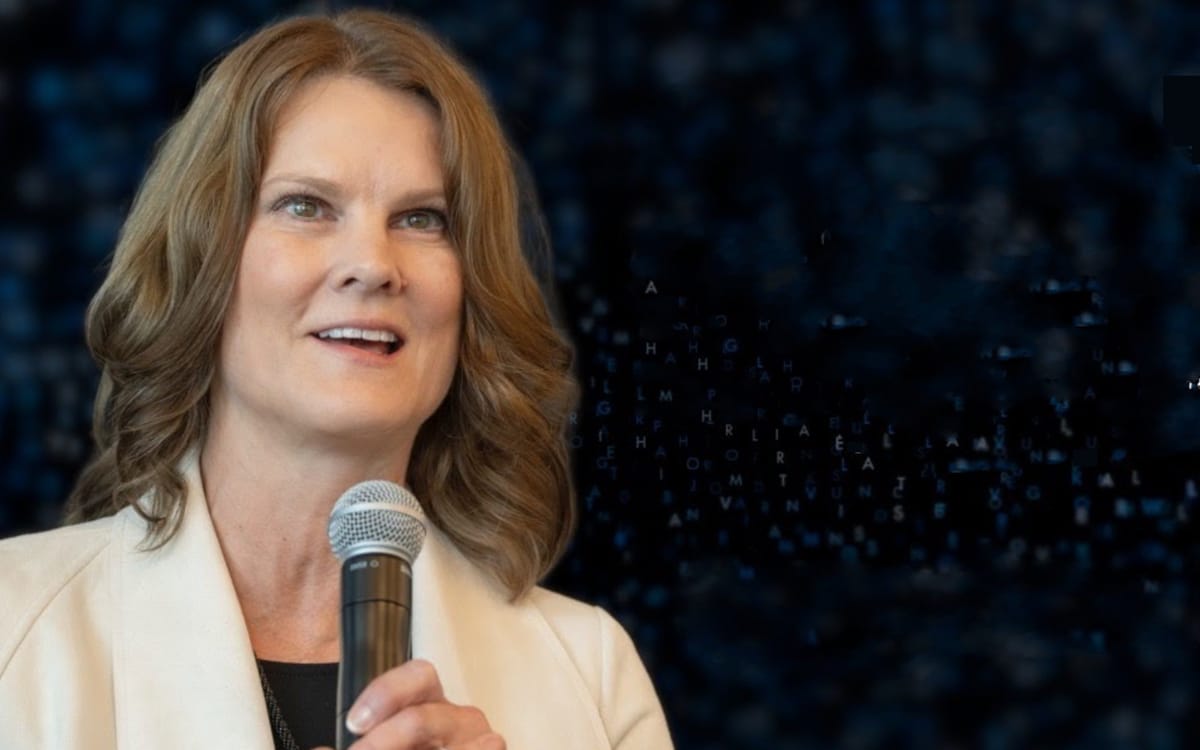
Artificial intelligence platforms are set to outpace the growth of social networks, with analysts predicting that 2026 will see AI media emerge as a significant advertising destination. Debra Aho Williamson, Chief Analyst at Sonata Insights, announced her forecasts on December 12, 2025, highlighting that ChatGPT is expected to reach 1 billion weekly users by the end of 2025—three years after its launch in November 2022. In contrast, Facebook took over eight years to achieve 1 billion monthly users.
Sonata Insights, which helps businesses understand consumer AI behavior and its marketing implications, draws on Williamson’s extensive experience in the field, including her founding of the social media coverage area at eMarketer in 2006. Williamson’s new analysis identifies three key trends that will shape paid advertising strategies in 2026: the rapid growth of AI platform usage, the establishment of these platforms as major advertising venues, and the need for brands to optimize across five distinct areas to enhance their visibility in AI search.
Williamson estimates that 45% of U.S. internet users will visit AI platforms monthly in 2026, closely mirroring the 42% of social network users in 2007, a similar point in their growth trajectory. This comparison underscores the accelerated adoption of AI platforms, with ChatGPT’s rapid rise highlighting a deviation from the slower expansion seen in social networks.
OpenAI’s CEO, Sam Altman, indicated in October 2025 that ChatGPT had already amassed 800 million weekly users, suggesting that Williamson’s projection may be conservative. This rapid user acquisition illustrates a significant shift in consumer behavior, as AI platforms quickly gain traction among diverse demographic segments.
ChatGPT Advertising Launch Expected in 2026
Looking ahead, Williamson predicts that ChatGPT will begin displaying advertisements in 2026, alongside new ad formats rolling out on AI-driven platforms such as Google AI Overviews, Microsoft Copilot, and Amazon’s Rufus. “These ads will provide paid placement within purchase-oriented conversations and will also appear embedded in other types of interactions, effectively turning AI chats into a new media channel,” Williamson noted.
Despite an internal directive from OpenAI on December 2, 2025, which prioritized enhancing ChatGPT’s functionality over immediate advertising initiatives due to heightened competitive pressures, the company has begun laying the groundwork for its advertising infrastructure. This includes a job listing for a Growth Paid Marketing Platform Engineer aimed at developing essential marketing technology systems.
Competition in the AI advertising space is intensifying. Following its November 2024 advertising launch, Perplexity AI has introduced sponsored follow-up questions alongside AI-generated answers, processing over 230 million queries monthly. However, challenges remain; Perplexity’s head of advertising and shopping departed in August 2025 after just nine months in the role.
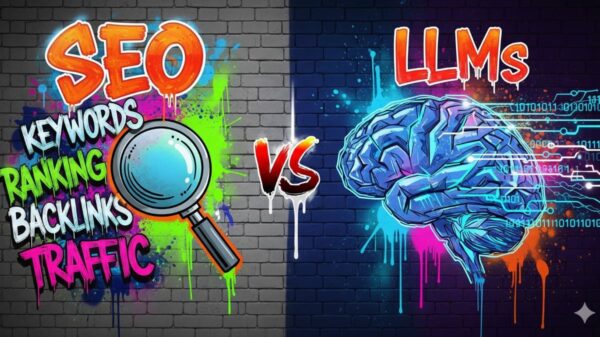
As AI search increasingly reshapes consumer discovery, brands must optimize visibility across five fronts: content marketing, websites, listing platforms, social channels, and community/review sites. Williamson’s framework departs from traditional search engine optimization, requiring brands to adapt their strategies to this emerging landscape. A MediaLink study indicated that 84% of marketers have noted shifts in consumer behavior away from conventional search and web browsing.
Amid these transformations, the competitive landscape is evolving rapidly. In November 2025, Amazon launched a closed beta for its Model Context Protocol Server, enabling AI agents to access advertising platforms through standardized protocols. The company reported significant growth in its advertising revenue, reaching $15.7 billion in Q2 2025—a 22% year-over-year increase.
Williamson’s insights resonate with historical patterns, as the advertising industry once questioned the viability of social media as a commercial platform. Just as early adopters faced uncertainties, the current skepticism surrounding AI platforms may mirror that trajectory, albeit with a more accelerated timeline. The implications for advertising budgets are profound, as marketing professionals will need to navigate the complexities introduced by these new channels without undermining existing strategies.
In conclusion, Williamson foresees 2026 as a watershed year for AI media, marking its emergence as a distinct advertising category. As platforms, users, and targeting capabilities evolve, advertisers will need to adapt swiftly to leverage opportunities and craft effective strategies in this dynamic environment. The projected convergence of AI capabilities with advertising infrastructure signals not just a shift in consumer behavior but also in the foundational elements of digital marketing itself.
See also Nvidia Poised for Surge: Projected $20 EPS by 2030 Amid AI Infrastructure Boom
 Amazon Pulls AI Recap from Fallout After Major Errors in Key Flashback Details
 Oracle Delays $300B Data Center for OpenAI, Signaling Risks in AI Investment Boom
 AI-Generated Videos of Minors Surge on TikTok, Raising Global Child Safety Concerns
 China’s Tech Giants Launch AI Chatbots, Narrowing Gap with US Post-ChatGPT