















































Bob Venero, president and CEO of Future Tech Enterprise, emphasizes the expanding role of artificial intelligence (AI) in the federal government and its contractors, such as Northrop Grumman and Raytheon. He asserts that AI is pivotal in helping these organizations achieve their missions, whether that be for the warfighter or for agencies like the Veterans Administration. Venero notes a surge of pilot projects within various government sectors, highlighting the diverse interpretations of AI’s significance across different contexts. He points out that the business outcomes from AI strategies must be the central focus for federal agencies and systems integrators alike.
Despite the ongoing debate about the implications of AI in the workplace, Venero believes that leveraging these technologies can lead to greater efficiency and innovative solutions. He describes NVIDIA as a cornerstone in the AI landscape, particularly as it gears up for its GTC event in Washington, D.C., aimed at government applications. “AI means something different to everybody, but at the end of the day, the key is the business outcome you’re trying to achieve,” he says.
Eric White, a technology correspondent, raises concerns about how government officials will evaluate contractors’ AI capabilities. Venero responds by acknowledging that the focus is shifting toward who can effectively utilize AI rather than whether AI was used in the process. He argues that being adept at leveraging AI for efficiency should be a competitive advantage in government contracts. “If I’m smart enough to use that AI model, you should be looking at me because I’m going to be innovative,” he states, emphasizing the importance of innovation in achieving organizational goals.
As government budgets tighten, Venero suggests that automation through AI can significantly reduce operational costs. By relieving employees from mundane tasks, organizations can redeploy their human resources to more strategic initiatives, ultimately improving efficiency. “If I have an individual that we’re paying $150,000 a year, and we can automate mundane tasks, that’s better for the bottom line,” he explains. He strikes a balance between acknowledging the fears surrounding job displacement due to AI while underscoring the technology’s potential to enhance job roles rather than replace them.
During the discussion, Venero highlights that the transition to AI-integrated processes is still in its infancy, particularly in understanding how to interact with large language models effectively. He points to the need for education in prompt engineering to maximize the utility of AI tools. “If you don’t know how to ask the AI model the question the right way, it’s going to take you longer sometimes to get to the end result,” he warns. Though AI can significantly expedite tasks—like drafting briefs—it requires human oversight for validation and accuracy.
Venero also explores the defense sector, asserting that the Department of Defense (DoD) can benefit from AI in evaluating procurement contracts. “AI can handle the criteria for evaluating RFQs, allowing agencies to process responses more quickly and accurately,” he explains. By automating the evaluation of proposals, the DoD can streamline decision-making and potentially lower costs. This efficiency could lead to faster contract awards and improved procurement practices.
Furthermore, bidders can harness AI to navigate lengthy RFQs more effectively. Venero describes how Future Tech leverages an AI tool to assist in drafting responses based on 29 years of historical data. “Now when something comes across the plate, the AI goes in, looks at the criteria, and helps us write a draft,” he says, highlighting the time-saving benefits of such technology.
As routine tasks are automated, Venero notes that personnel can take on new responsibilities, such as training and onboarding. He shares an example of an employee who transitioned to a dual role that focuses on enhancing organizational capabilities. “If you’re embracing it properly, it is going to take you to places that are good,” he asserts, likening the shift to the transition from traditional boat controls to a joystick, which enables smoother navigation and greater efficiency.
Venero concludes by inviting government agencies and organizations to embrace AI technologies, underscoring that these tools can significantly enhance operational effectiveness while addressing the increasing demands of cost management. The future of AI in government and defense appears not only promising but essential for maintaining a competitive edge in evolving landscapes.
For more information on artificial intelligence applications, visit NVIDIA, or learn about AI strategies at OpenAI.
See also DeepSeek’s $6M AI Model Challenges OpenAI, Raises Security Concerns for Enterprises
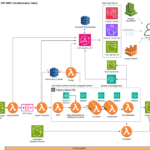 Myriad Genetics Cuts Document Processing Costs by 77% with AWS Generative AI Solutions
 Microsoft Faces Setback as Two Senior AI Leaders Depart Amid Data Center Struggles
 Amazon Warns Customers of Rise in AI-Powered Account Scams Targeting Personal Data
 UN Unveils Comprehensive AI Governance Framework to Enhance Global Cooperation and Human Rights