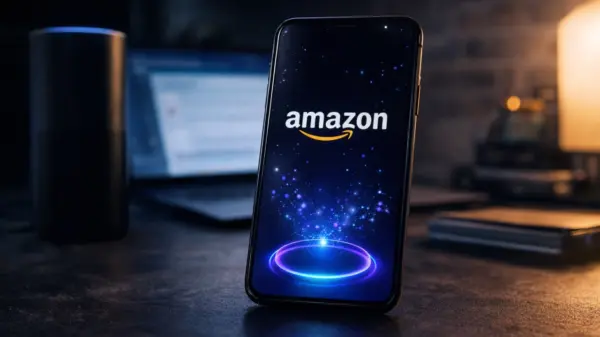






































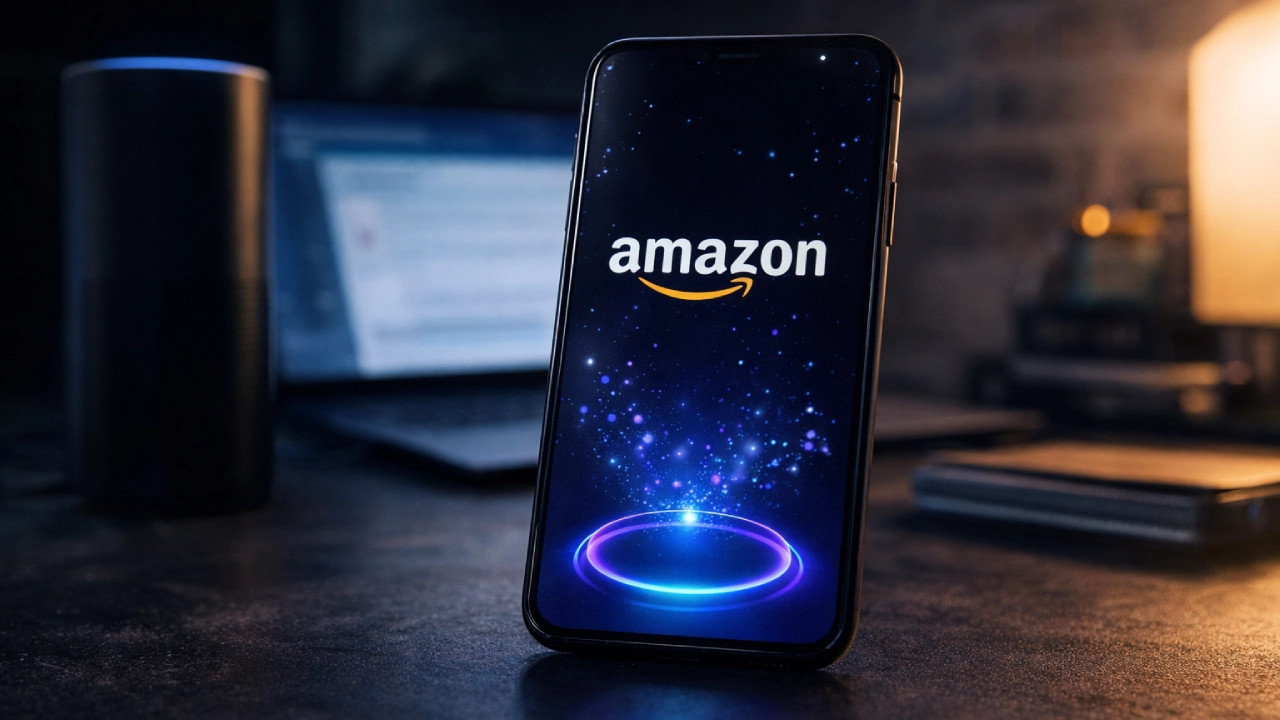
Amazon is reportedly set to re-enter the smartphone market with a new device, dubbed the “Transformer,” which will leverage artificial intelligence and generative AI technologies alongside its established Alexa ecosystem. This marks Amazon’s second foray into smartphones, following the lackluster performance of its Fire Phone over a decade ago.
The Transformer project represents a strategic pivot for Amazon, moving away from direct competition with giants like Apple and Samsung. Instead, the focus will be on AI-driven personalization, voice-first interaction, and deep integration with Amazon’s services. Through this initiative, Amazon aims to bolster its artificial intelligence capabilities while providing users with a more customized digital experience.
Amazon’s first smartphone, the Fire Phone, was launched in 2014 but failed to gain traction, leading to its discontinuation after just one year. The Fire Phone struggled primarily due to its high price, a limited app ecosystem, and a lack of compelling features. This setback has led Amazon to adopt a different approach this time around, prioritizing AI functionalities over traditional smartphone features.
The upcoming device is expected to make Alexa the focal point of the user experience. As Amazon’s virtual assistant, Alexa is already prevalent in smart speakers and various home devices. The Transformer smartphone aims to enhance this functionality, allowing users to engage with Alexa as a personal assistant that is readily accessible.
Users will be able to control smart home devices, shop on Amazon, access entertainment services, and receive personalized recommendations through voice commands. This push aligns with Amazon’s broader goal of creating a comprehensive voice-first computing environment.
The Transformer project is designed to deliver a highly customized user experience, utilizing artificial intelligence to learn individual preferences, recommend products, automate daily tasks, and offer contextual assistance. The device is envisioned as a proactive digital assistant, adapting its features to meet users’ specific needs.
Distinctively, the Amazon Transformer smartphone will not rely on the traditional app store model found in most smartphones today. Instead, Amazon is exploring AI-enabled interface systems that would allow for service access without the need for users to install applications. This innovative approach could streamline navigation and enable Amazon to manage the user experience more effectively.
The Transformer smartphone will serve as a central hub for various Amazon services. Users may be able to seamlessly access Prime Video for streaming, Amazon Music for music services, and the Amazon Shopping platform for purchases, alongside Kindle and other services. This integration aims to deliver a unified user experience reminiscent of Apple’s ecosystem.
Development of the Transformer project is overseen by Amazon’s experimental hardware team, which specializes in pioneering new technology solutions. The team is engaged in testing prototypes, exploring different device concepts, and assessing market readiness for AI-centric smartphones.
As the project remains in its formative stages, Amazon is maintaining a flexible approach to development. The success of the Transformer project could mark a pivotal moment for Amazon in the mobile technology landscape, contingent on its ability to balance innovative AI capabilities with an intuitive user interface. The company’s ambitious effort to return to the smartphone market underscores its ongoing commitment to expanding its technological footprint in an increasingly AI-driven world.
See also Germany”s National Team Prepares for World Cup Qualifiers with Disco Atmosphere
 95% of AI Projects Fail in Companies According to MIT
 AI in Food & Beverages Market to Surge from $11.08B to $263.80B by 2032
 Satya Nadella Supports OpenAI’s $100B Revenue Goal, Highlights AI Funding Needs
 Wall Street Recovers from Early Loss as Nvidia Surges 1.8% Amid Market Volatility