












































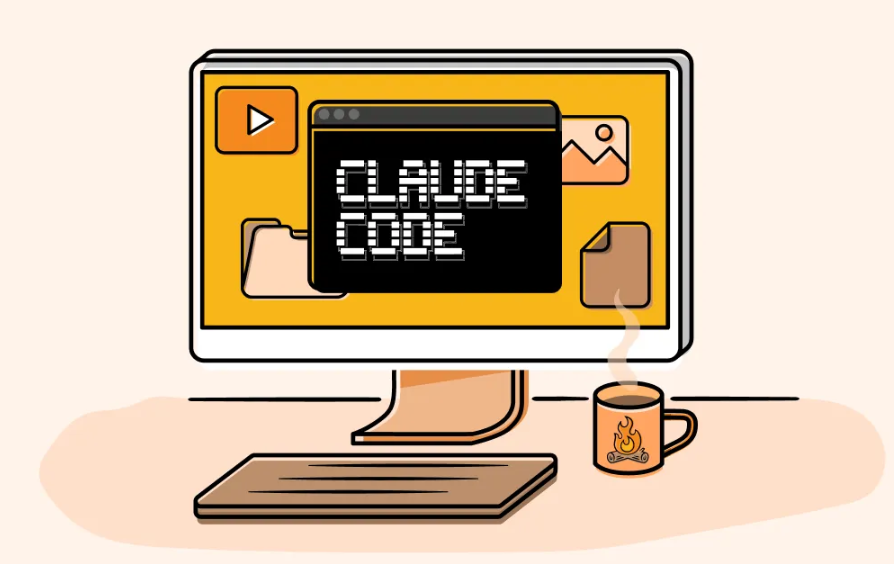
Anthropic PBC has announced the launch of Claude Cowork, a new feature designed to enhance the accessibility of its generative artificial intelligence coding bot, Claude Code. Available in preview starting today, Cowork aims to simplify the interaction with Claude for a broader audience, extending its use beyond developers to anyone interested in automating tasks.
To utilize Cowork, users need only to grant the AI access to a designated folder on their computers. The feature can then read, edit, and create files within that folder, enabling users to automate document creation, file management, and other productivity tasks with ease. This marks a significant shift from Claude Code’s original developer-centric focus, making it more user-friendly for non-coders.
Currently, Claude Cowork is accessible to Max subscribers as part of a research preview, with a waitlist in place for users on other subscription plans. Anthropic created Cowork in response to increasing requests from Claude Code users who sought assistance with non-coding tasks, reflecting a desire to leverage AI capabilities in more general-purpose applications. Built on the Claude Agent software development kit, Cowork retains many features of Anthropic’s foundational models, enabling it to act as a versatile AI tool.
The folder partition system allows users to manage file access easily, while the chat interface replaces a more intimidating command-line tool, making it approachable for those unfamiliar with coding. Anthropic envisions a variety of use cases for Cowork, suggesting possibilities such as generating expense reports from images of receipts and aiding in media management, social media analysis, and conversation insights.
However, the company has issued warnings regarding potential risks associated with the new feature. Like its predecessor, Claude Cowork can execute multiple actions with minimal user input, which poses risks if users provide vague or contradictory instructions. Anthropic specifically cautions against prompt injection attacks and the tool’s capability to delete files, urging users to craft their commands as clearly as possible. “These risks aren’t new with Cowork,” the company noted, “but it might be the first time you’re using a more advanced tool that moves beyond a simple conversation.”
Since its initial launch in November 2024, Claude Code has garnered significant popularity, prompting Anthropic to issue a series of updates. These include a new web interface released in October and Slack integration introduced in December. The debut of Cowork represents a substantial step towards making AI-driven tools more accessible and versatile for a wider user base.
In an era where automation and AI are increasingly integrated into daily workflows, Claude Cowork could redefine the interaction between users and AI, paving the way for innovative applications across various sectors. As Anthropic continues to expand its offerings, the response from users and developers alike will be pivotal in shaping the future of AI productivity tools.
See also Authentic Leadership: Key to Navigating AI’s Ethical Integration in Business
 Microsoft AI Licensing Gains Traction as UK Publishers Shift to Paid Access Model
 Life Sciences Fundraising Faces Structural Reset Amid Volatility and AI Expectations
 AI’s Job Impact: Employment in High-Risk Roles Grows 1.7%, Defying Doomsday Predictions
 X Enables Grok AI Image Manipulation, Sparks Global Outcry Over Non-Consensual Content