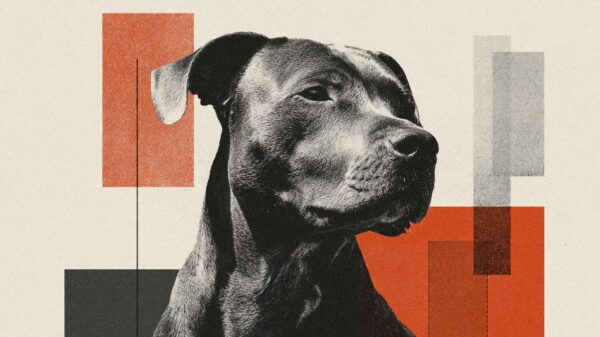













































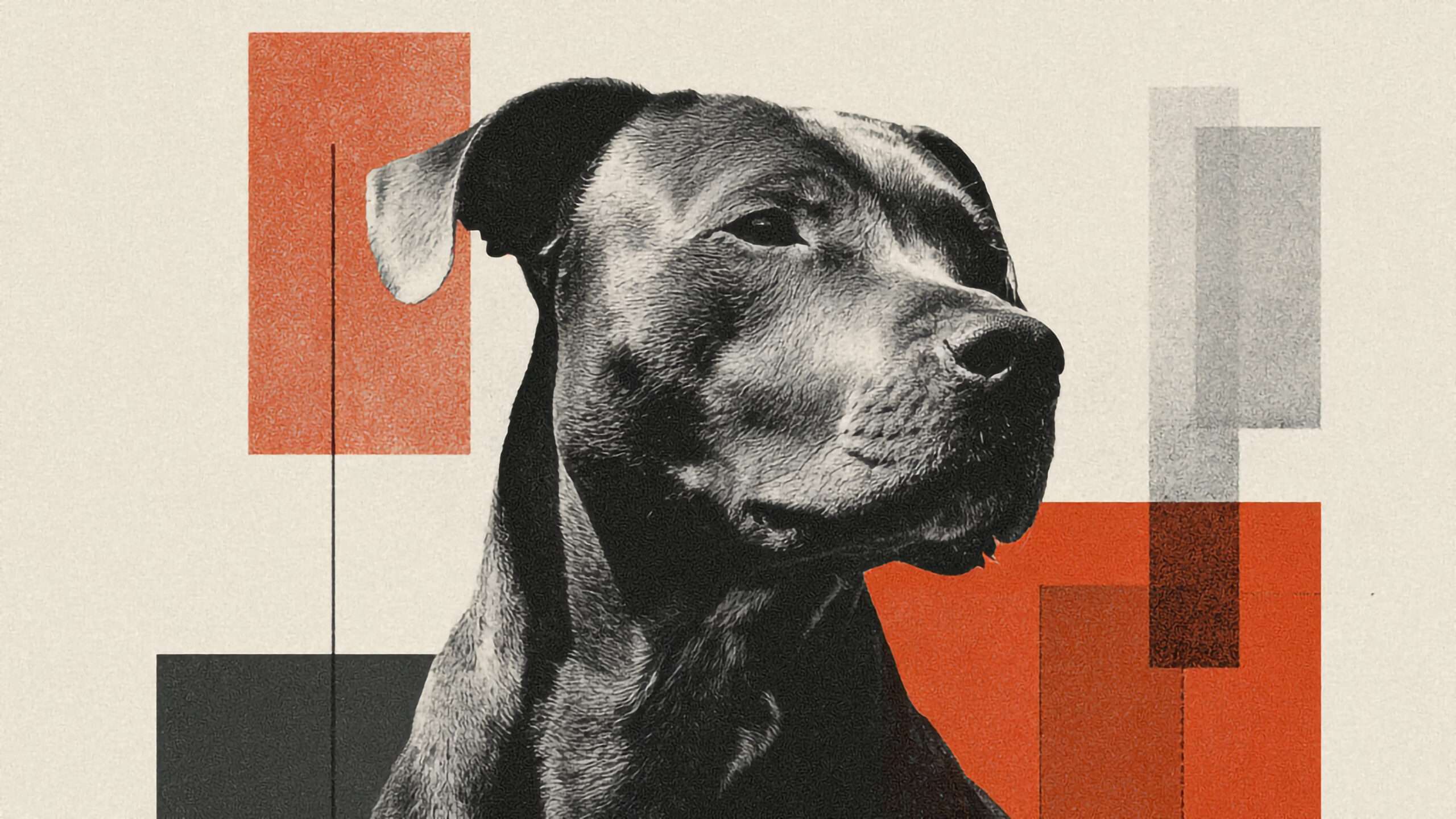
Australian tech entrepreneur Paul Conyngham has turned a personal tragedy into a pioneering venture in veterinary medicine. His eight-year-old rescue dog, Rosie, diagnosed with a life-threatening skin cancer, became the focus of an ambitious project to develop a personalized anti-cancer vaccine using artificial intelligence. Conyngham’s innovative approach involved utilizing both ChatGPT and Grok, hoping to push the boundaries of traditional veterinary treatment.
In collaboration with Martin Smith, director of the University of New South Wales (UNSW) Ramaciotti Centre for Genomics, Conyngham initiated a genetic sequencing of Rosie’s DNA and her tumor. The sequencing, which cost him $3,000, was a crucial step in understanding the unique genetic makeup that could inform the vaccine development. For context, Element Biosciences, based in San Diego, is expected to offer whole genome sequencing for a mere $100 in the near future.
With the data in hand, Conyngham employed Google’s DeepMind AlphaFold alongside ChatGPT to analyze the genetic information and pinpoint mutated proteins associated with the tumors. He then turned to Grok for assistance in designing an mRNA vaccine that would enhance the immune response against Rosie’s cancer by boosting the production of tumor-associated antigens. Upon completing the vaccine design, Conyngham sought the assistance of Pall Thordarson, head of UNSW’s RNA Institute, to synthesize the vaccine.
However, the path to administering the vaccine proved far more complicated than its creation. Conyngham described the bureaucratic hurdles he faced while attempting to secure ethical approval for a clinical trial on Rosie. “The red tape was actually harder than the vaccine creation, and I was trying to get an Australian ethics approval to run a drug trial on Rosie,” he told The Australian. “It took me three months, putting two hours aside every single night just typing up this 100-page document.”
Despite his extensive efforts, Conyngham was denied permission for UNSW researchers to inject Rosie with the bespoke vaccine. This raises the question of the necessity for bioethical oversight in such a personalized case, especially given that the treatment was intended solely for Rosie, a dog. Was Conyngham not competent enough to provide the necessary “informed consent” for his pet?
Fortunately, Rachel Allavena, a professor of canine immunotherapy at the University of Queensland, stepped in with her experience in obtaining bioethical approvals for experimental therapies. Her assistance expedited the process, allowing Conyngham and Rosie to travel to Brisbane, where the vaccine was finally administered in December.
The outcome has been encouraging; Rosie’s tumors have shrunk, and she appears to be regaining her former vitality. Smith, reflecting on this remarkable case, posed a profound question: “If we can do this for a dog, why aren’t we rolling this out to all humans with cancer?”
This inquiry highlights a significant gap in the application of cutting-edge biotechnologies in human medicine, raising ethical, regulatory, and logistical challenges that must be addressed as the field of personalized medicine continues to evolve. Conyngham’s experience with Rosie serves not only as a testament to the potential of AI in healthcare but also as a call to action for a broader dialogue on how such innovations can be more widely applied.
See also Germany”s National Team Prepares for World Cup Qualifiers with Disco Atmosphere
 95% of AI Projects Fail in Companies According to MIT
 AI in Food & Beverages Market to Surge from $11.08B to $263.80B by 2032
 Satya Nadella Supports OpenAI’s $100B Revenue Goal, Highlights AI Funding Needs
 Wall Street Recovers from Early Loss as Nvidia Surges 1.8% Amid Market Volatility