


















































Bloom Energy Faces Volatile Trading Amid Broader AI Sector Selloff
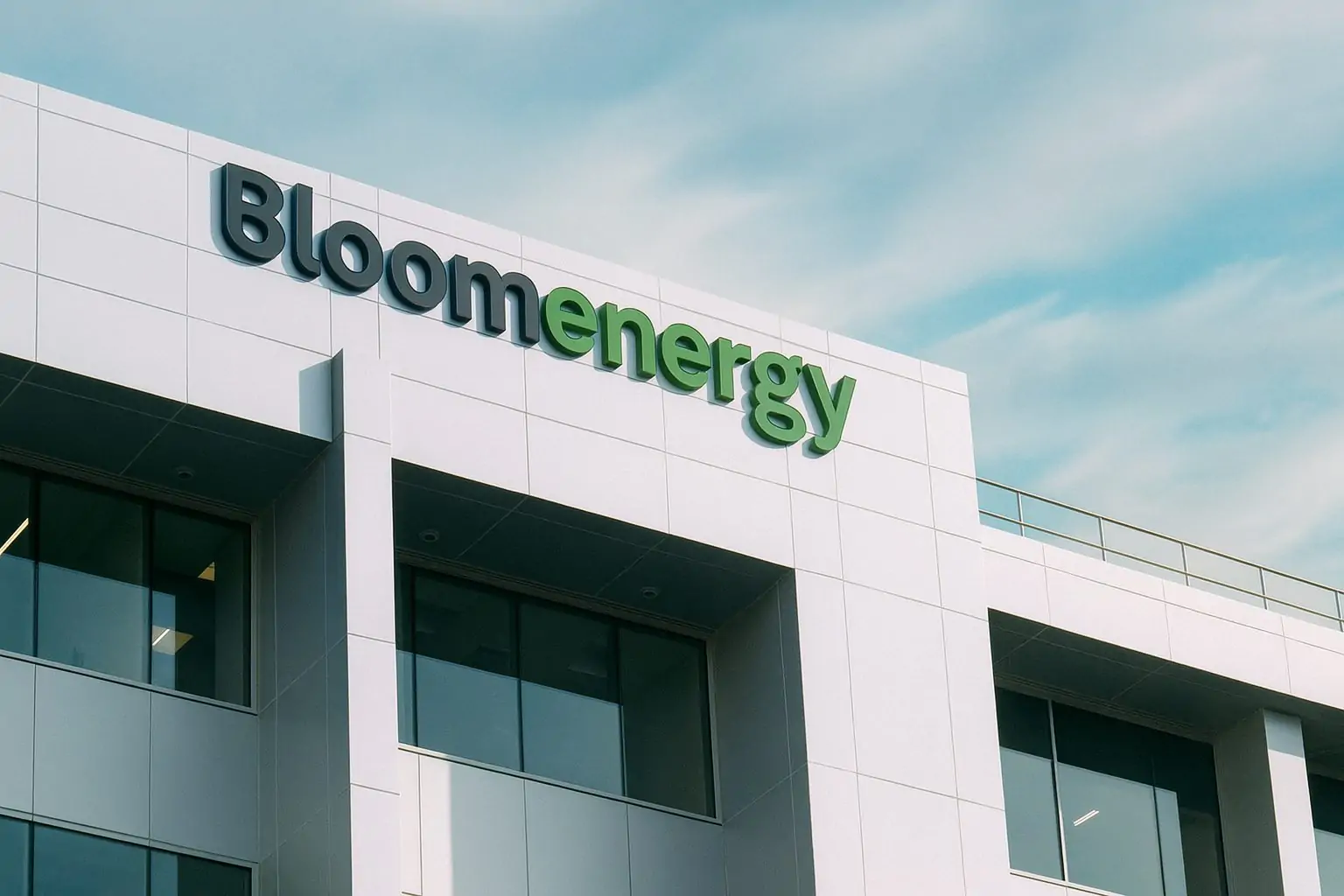
Dec. 12, 2025 — Bloom Energy Corporation (NYSE: BE) saw its stock price plummet by approximately 10% during early afternoon trading on December 12, closing around $98.07 after peaking at $105 and hitting an intraday low of $94.29. The trading volume surpassed 12 million shares, indicating heightened investor activity as concerns swept through the AI infrastructure sector, triggered by recent updates from major players like Oracle and Broadcom.
The stock’s decline follows a pattern of volatility, reflecting its classification as a high-beta “AI power infrastructure” stock. Traditionally, BE has surged in response to positive sentiments about data-center power needs but has faced significant sell-offs when the market sentiment shifts.
The primary catalyst for Bloom’s stock decline appears to be a macroeconomic rotation away from “AI darlings,” spurred by concerns over whether the ongoing AI spending boom can yield sufficient returns. Reports indicated that investors pulled back on several AI-linked stocks following Oracle’s forecast, which missed Wall Street expectations and flagged concerns regarding rising capital expenditures—up by $15 billion compared to earlier estimates. This has raised apprehensions about profitability amidst increasing investment demands in AI infrastructure.
Bloom Energy’s sensitivity to updates from Oracle is notable, particularly following a collaboration announced in July 2025, which aims to deploy Bloom’s fuel cell technology in Oracle Cloud Infrastructure (OCI) data centers. Consequently, when Oracle’s outlook comes into question, Bloom is often affected by association, especially after its remarkable gains earlier in the year.
Recent Oracle developments have underscored the fragile nature of the AI infrastructure narrative. On December 10, news broke that Oracle’s spending forecasts had missed expectations, prompting further speculation about the viability of current AI investment strategies. Even after Oracle denied rumors regarding delays in OpenAI-related data centers on December 12, the uncertainty surrounding the pace of project timelines continues to weigh heavily on market sentiment.
Bloom’s strategic positioning centers on onsite generation for grid-constrained data centers, emphasizing rapid deployment, reliability, and sustainability. The firm has secured significant partnerships, including a $5 billion agreement with Brookfield, aimed at utilizing Bloom’s fuel cell technology in global AI infrastructure projects. This partnership has helped shape Bloom’s narrative in the market, but it also raises expectations regarding execution timelines and conversion of these relationships into revenue.
In its latest financial report dated October 28, 2025, Bloom showcased impressive momentum, reporting a 57.1% year-over-year revenue increase to $519.0 million. The report highlighted a gross margin of 29.2% and an operating income of $7.8 million. This release underscored the significance of the Brookfield partnership as a key driver alongside the company’s financial performance.
The industry’s focus is now shifting towards Bloom’s manufacturing capabilities, as the company aims to double its annual production capacity to 2 GW by the end of 2026. This expansion is seen as critical in meeting the expected demand from data centers, which are increasingly being viewed as “AI factories” requiring integrated power solutions without the lengthy wait times associated with traditional grid upgrades.
Bloom recently made headlines with its issuance of $2.2 billion in 0% convertible senior notes due in 2030, intended to finance various growth initiatives, including research and development as well as manufacturing expansion. While these convertibles can fund growth at a lower cash cost, they also introduce the risk of future dilution, which could create volatility in the stock price as investors assess the potential impacts.
Analyst forecasts for Bloom Energy exhibit significant variance, a reflection of the broader uncertainty surrounding the company. MarketBeat reports a consensus rating of “Hold” with an average price target of $93.77, while StockAnalysis portrays a “Buy” sentiment with a lower target of $83.16. The wide range of targets underscores the mixed sentiments among analysts regarding Bloom’s growth trajectory and market viability.
Looking ahead, investors will likely scrutinize several key catalysts that could influence Bloom’s stock performance. These include specifics on the Brookfield partnership, updates on Oracle’s capital expenditures, and progress toward the 2 GW production capacity goal. How well Bloom navigates these challenges will play a pivotal role in determining its long-term viability in an increasingly competitive AI infrastructure landscape.
As of December 12, 2025, Bloom Energy’s stock is trading as a leveraged bet on the future of AI-driven power solutions. Its trajectory will be closely tied to the successful execution of partnerships and its ability to adapt to changing market conditions within the evolving AI infrastructure domain.
For further information, visit Bloom Energy and explore the latest updates from Oracle and Brookfield.
See also AI’s Energy Demands Threaten U.S. Infrastructure and Market Stability Amid Growing Vulnerabilities
 Google DeepMind Launches Gemini AI Lab in UK to Accelerate New Materials Discovery by 2026
 AI Wildlife Videos Surge as Realism Blurs; Experts Warn of Authenticity Crisis
 AI Trade Retreats: Broadcom, SanDisk, and Oracle Face Significant Midday Losses Amid Margin Concerns
 Microsoft Integrates GPT-5.2 in Copilot Amid £2.1B UK Legal Challenge