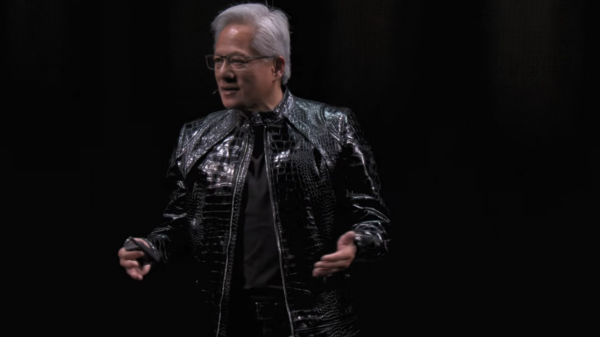








































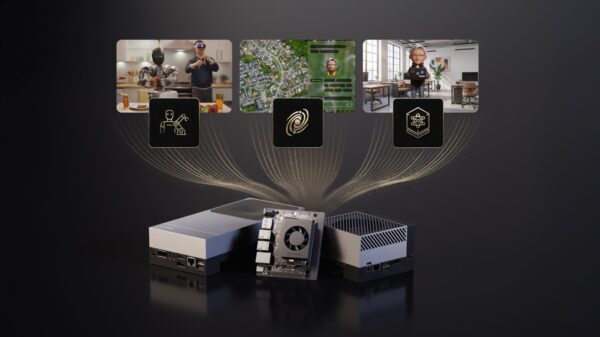

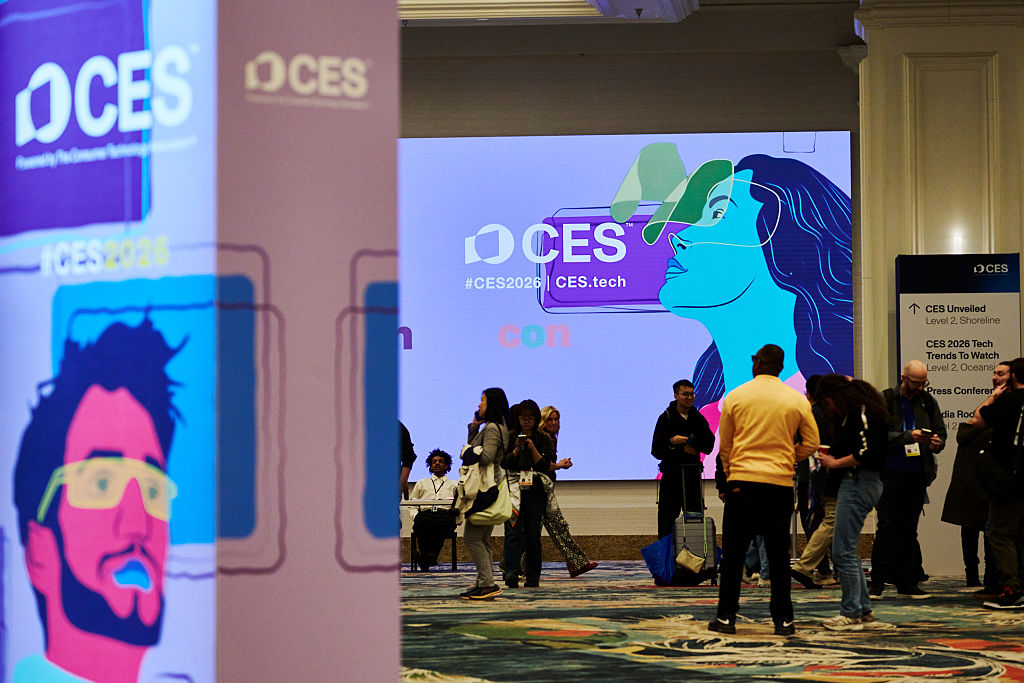
CES 2026 has concluded, marking a significant year in technological innovation, particularly in the realm of what has been termed “physical AI.” This year’s event showcased a multitude of consumer gadgets, robots, and vehicles that prominently featured artificial intelligence as a central component. The importance of computational power was underscored by high-profile keynotes from Nvidia CEO Jensen Huang and AMD CEO Lisa Su, who both presented groundbreaking advancements that set the tone for the conference.
Among the highlights were advancements in humanoid robotics, with Hyundai, the majority owner of Boston Dynamics, drawing significant crowds to its exhibit featuring the humanoid robot Atlas. The line to enter Hyundai’s showcase was consistently long, illustrating the heightened interest in robotics and their potential applications.
While cars traditionally dominated CES, this year’s event reflected a shift away from its previous reputation as a premier U.S. and European car show. Despite this evolution, numerous Chinese automakers made appearances, including Geely Holding, even though their vehicles cannot be sold in the United States. This shift indicates a broader, more inclusive focus on global automotive innovation.
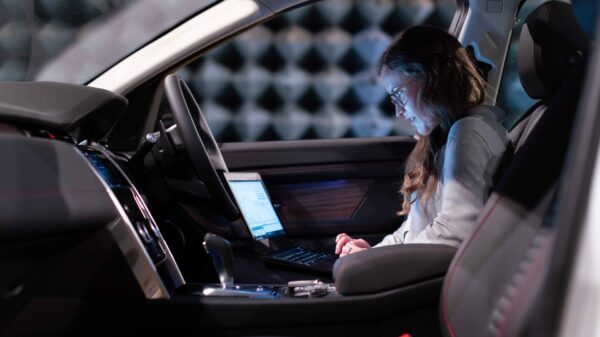
Transportation technologies were well represented, with a plethora of displays and announcements related to autonomous vehicles. Companies specializing in LIDAR technology and automated driving software were abundant, highlighting a strong interest in applications beyond conventional passenger vehicles. Notably, Waymo and Zoox showcased their respective robotaxis, attracting large crowds and indicating robust public interest in these innovations.
The ongoing discourse around self-driving technology suggests that next year’s CES may see an even larger presence from robotaxi operators. With the growing momentum in this sector, it is likely that new entrants will join established players in what seems to be an increasingly competitive landscape.
As attendees exit CES 2026, the emphasis on physical AI and the integration of advanced robotics into everyday life leave unanswered questions about future developments and applications. The significant interest in these technologies suggests a robust market ahead, as companies continue to invest in innovations that align with consumer needs and technological capabilities.
Industry stakeholders and observers will be watching closely to see how these trends evolve, particularly in the realm of autonomous vehicles and humanoid robotics. The advancements showcased this year only hint at what is possible, and as CES continues to serve as a bellwether for technology trends, the implications for various sectors, from transportation to consumer electronics, will be significant.
For more information on the latest developments from CES 2026 and the future of physical AI, visit Nvidia’s and AMD’s official sites for further insights into their innovative technologies.
See also Mastering Storytelling: The Essential Leadership Skill Driving Success in 2026
 DOJ Revises Maduro Indictment, Downplays ‘Cártel de los Soles’ as a Literal Drug Cartel
 X Faces Backlash Over Grok’s Misuse; Trump Blocks State AI Regulations, Meta Halts Smart Glasses Expansion
 Idaho Secures $4M Federal Grant to Enhance AI Literacy for 90,000 Students Annually
 DeepSeek V4 Set to Launch Soon, Promises to Outperform Claude and ChatGPT in Coding