Chai Discovery Inc., a startup leveraging artificial intelligence to streamline drug development, announced today the close of a $130 million funding round led by Oak HC/FT and General Catalyst. This consortium of investors also includes notable backers such as OpenAI Group PBC and Thrive Capital, a prominent investor in the ChatGPT developer. Following the funding, Chai Discovery’s valuation has surged to $1.3 billion.
This investment arrives approximately six months after the company unveiled Chai-2, a multimodal AI model tailored for medical research. Chai-2 is designed to expedite the drug development process by automating various manual tasks. The company claims that its algorithm showcases a “100-fold improvement over previous computational methods” in certain contexts, potentially revolutionizing the way drugs are brought to market.
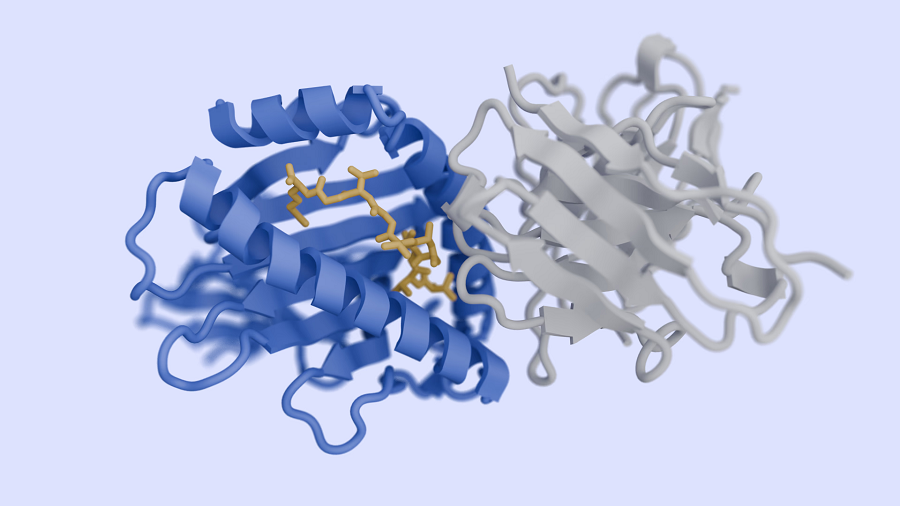
Chai Discovery focuses on monoclonal antibodies (mAbs), large proteins that specifically target and neutralize disease-causing viruses and bacteria. The company asserts that competing AI models typically design only protein fragments, which possess limited effectiveness. In contrast, Chai-2 is capable of generating full-length mAbs, enhancing its utility in therapeutic applications.
Beyond mAbs, Chai-2 can also design other molecules with therapeutic potential, including nanobodies—antibodies derived from llamas and alpacas—and miniproteins, which are significantly smaller than traditional mAbs. This versatility positions Chai as a unique player in the rapidly evolving landscape of AI-driven drug discovery.
Binding affinity, a critical factor in drug development, measures how effectively an antibody attaches to its target. While this is essential, Chai Discovery emphasizes that manufacturability, safety, and stability are also paramount considerations. The company contends that its AI model can better accommodate these factors compared to its competitors.
A key component of Chai-2’s performance is its high-resolution evaluation of antibodies, claiming it can analyze structures at a sub-angstrom scale. For context, an angstrom is a unit of measurement equal to one ten-billionth of a meter, slightly exceeding the size of a hydrogen atom. Chai Discovery has tested Chai-2’s capabilities by designing a range of antibodies with potential therapeutic uses, noting that 89% of its suggested designs exhibited either no issues or just a single issue across four evaluative criteria.
“What looked like five-year problems just months ago are now getting solved in weeks,” stated Josh Meier, founder and CEO of Chai Discovery. “Our latest models can design molecules that have properties we’d want from actual drugs, and tackle challenging targets that have been out of reach.” This assertive claim underscores the transformative potential of AI in the pharmaceutical sector.
The newly acquired capital will support Chai Discovery’s ongoing research efforts and commercialization initiatives, underscoring the growing interest and investment in AI-driven solutions for healthcare. As the intersection of technology and medicine continues to evolve, companies like Chai Discovery are poised to play a significant role in shaping the future of drug development, potentially shortening timelines and improving outcomes for patients.
See also DeepSeek Launches DeepSeek-R1 LLM; Mistral AI Unveils 1,000 WPS Assistant at AI Action Summit
 Geopolitical Tensions, Supply Chain Vulnerabilities, and Shadow AI Threaten Cyber Resilience in 2026
 Generative AI in Packaging Market to Surge 1,216% by 2035, Driven by Sustainability and Innovation
 AdExchanger Reveals Key Trends Transforming Data-Driven Digital Advertising in 2023
 Sapphire’s Ed Chrysler Reveals RX 9000 Challenges, AI’s Market Disruption, and PC Gaming’s Future