
















































As artificial intelligence advances and becomes more integrated into daily life, the global community faces a pressing challenge: the absence of a cohesive system to manage the risks associated with its proliferation. These concerns range from exacerbated inequality to long-term safety issues. While numerous countries are working on national regulations, a comprehensive international framework remains elusive.
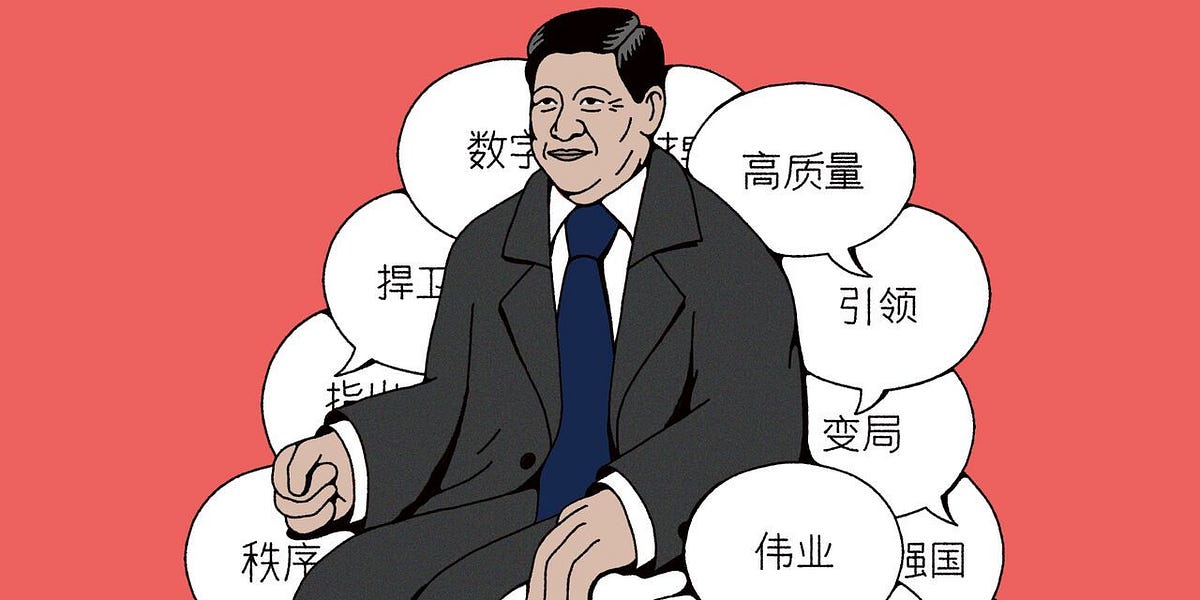
In this context, China is positioning itself to take a leading role. At the recent Asia-Pacific Economic Cooperation meeting, President Xi Jinping reiterated his support for establishing the World Artificial Intelligence Cooperation Organization (WAICO). This proposed entity aims to coordinate global AI governance and develop a unified regulatory framework.
Contrasting sharply with the United States, where federal legislation on AI is fragmented and the sentiment leans towards deregulation, China has spent several years crafting an extensive domestic regulatory landscape. Since 2022, it has introduced a series of regulations governing harmful content, privacy, data security, and system testing. In China, public-facing AI models must undergo government review prior to deployment, making systems developed there, such as DeepSeek‘s R1 model, some of the most stringently regulated globally.
China’s approach to AI development diverges from the focus on artificial general intelligence (AGI) seen in other regions. Instead, Chinese companies are encouraged to release models as open weight and utilize AI primarily to drive economic growth. This strategy was solidified in August 2023 with the introduction of the national “AI+” policy.
In stark contrast, the regulatory landscapes in other parts of the world vary widely. The European Union is set to implement the world’s first comprehensive AI Act, which classifies AI technologies by risk and imposes transparency and oversight requirements on systems deemed high-impact. Meanwhile, the United Kingdom has postponed comprehensive AI legislation until at least 2026.
Despite the ongoing discussions and initiatives, the framework for legally binding global governance remains minimal. Currently, the only enforceable international standard is the Council of Europe’s 2024 AI Convention, which requires signatory nations to align their national laws with human rights principles. However, this agreement lacks sanctions or a robust enforcement mechanism.
Other international agreements, such as the UNESCO AI ethics recommendations, the OECD principles, and the 2023 Bletchley Declaration, are all non-binding. The United Nations has established a scientific advisory panel and is facilitating global dialogues, but a centralized authority for AI governance remains absent.
While details regarding WAICO are still emerging, China envisions it as a coordination platform that acknowledges national differences and amplifies the voices of developing nations. The proposed headquarters for WAICO is set to be in Shanghai.
Analysts speculate that WAICO would not directly enforce regulations; rather, it could adopt a role similar to other international technology and safety organizations. This would involve building shared standards, promoting transparency, and assisting countries in aligning with common practices.
This push for a central organization is not merely a matter of geopolitical ambition. Establishing such global standards could enhance China’s capacity to scale its AI products on the international stage. The analogy often drawn is that of nuclear power: the International Atomic Energy Agency (IAEA) sets non-binding standards complemented by treaties like the Convention on Nuclear Safety. A similar trajectory might be anticipated for AI, starting with a global coordination body and potentially moving toward binding agreements in the future.
However, significant hurdles such as geopolitical tensions, diverging economic priorities, and varying regulatory philosophies could complicate these efforts. What remains apparent is China’s intent to position itself at the forefront of the evolving global AI governance landscape.
See also HSBC Issues EUR 1.25B Notes, Partners with Mistral AI to Enhance Automation
 AWS Invests $50 Billion to Revolutionize Federal AI Infrastructure by 2026
 AWS Transform Launches AI Agents to Accelerate Code Modernization Across Platforms
 10 Critical Risks of Neglecting AI Ethics: Avoid Legal Nightmares and Enhance Trust
 AI Revolutionizes U.S. Pathology: Boosting Diagnostic Precision and Patient Outcomes