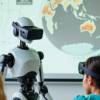




































China’s Cyberspace Administration has introduced draft regulations aimed at regulating artificial intelligence systems that simulate human-like interactions. Released just days ago, the proposed rules reflect growing concerns about AI technologies, particularly those that engage users on an emotional level, potentially blurring the lines between machine and human companionship. These regulations signify Beijing’s intent to ensure that advancements in AI align with national priorities amid fears that unchecked emotional AI could lead to social instability or psychological harm.
The draft regulations apply to all public-facing AI products and services within China. They mandate safeguards designed to promote ethical use, security, and transparency. AI providers must inform users about risks associated with excessive engagement and intervene if addiction occurs. Additionally, outputs generated by AI systems must adhere to “core socialist values.” This initiative is part of a broader effort by the Chinese government to manage AI development responsibly.
The proposed rules require that AI services inform users they are interacting with a machine upon login and at two-hour intervals to mitigate the risks of unhealthy attachments. This is particularly relevant for AI companions aimed at elderly or lonely individuals. Beyond user notifications, the regulations also call for robust systems for algorithm review, data security, and personal information protection. Providers are held accountable for the entire product lifecycle, from development to deployment. As reported by Reuters, the emphasis is on preventing AI from producing content that might incite subversion or threaten national unity.
These regulatory moves are not China’s first attempt at governing AI; they build on earlier guidelines that have shaped the tech sector domestically. Earlier policies mandated that AI models align with socialist principles, but the new drafts specifically target systems that foster emotional connections. Industry observers note potential implications for major companies like Baidu and Alibaba, which are heavily invested in conversational AI.
Social media reactions have been mixed, with some users applauding the ethical focus while others express concerns over possible stifling of innovation. Discussions suggest these regulations may set a global precedent, influencing how other nations approach AI governance. The economic ramifications are notable, as China’s AI market experiences rapid growth, particularly in startups developing empathetic chatbots and virtual therapists. However, the draft rules might impose additional compliance costs, potentially hindering smaller players while allowing larger firms to navigate the requirements more easily.
Bloomberg highlights the regulations’ demand for transparency in AI operations, requiring disclosures about data usage and algorithmic decision-making, a stark contrast to the often opaque nature of AI development globally. The rules also prohibit AI from encouraging behaviors leading to addiction or emotional dependency, mandating monitoring of usage patterns and intervention in cases of over-reliance.
Central to these regulations is a concern over the psychological impact of human-like AI. The draft outlines risks such as blurred boundaries between human and machine interactions, where users might mistake AI empathy for genuine human connection. This is particularly critical in applications aimed at mental health support, where vulnerable populations could be affected. For instance, AI systems mimicking deceased relatives or romantic partners have gained traction in China, raising ethical questions. The regulations include warnings against excessive use and strategies to assist addicted users.
Industry insiders predict that these measures could extend to gaming and social platforms, where AI characters engage players emotionally. The Cyberspace Administration frames this approach as fostering “responsible innovation,” balancing technological progress with social stability. In contrast with the United States, which focuses on innovation with lighter regulations, China’s stance emphasizes control and alignment with state values. Observers speculate that this could provide Chinese AI firms a competitive advantage in markets emphasizing ethical AI, even as it may limit creative freedoms.
The draft also stresses national security, mandating that AI content not undermine “core socialist values” or incite division. This includes filtering outputs to prevent the dissemination of misinformation or subversive ideas, a common theme in China’s tech policies. From a technical standpoint, implementing these rules will necessitate advanced monitoring tools, raising potential privacy concerns due to the handling of sensitive personal information.
Investors are closely monitoring these developments. A report from The Information suggests that while the regulations could temper short-term enthusiasm, they might ultimately foster a more stable environment for long-term growth. Exchange-traded funds (ETFs) tracking Chinese tech stocks have exhibited volatility in response to the news. Smaller startups, particularly those at the forefront of niche AI applications like virtual dating or grief counseling, may face significant challenges due to compliance costs, leading to potential mergers or acquisitions by larger firms.
As the public comment period unfolds, feedback from industry players will be crucial in refining the rules. Clarity regarding what constitutes “human-like” AI will be essential to prevent overly broad interpretations that could hinder benign applications. The international implications of these regulations are also noteworthy, as China exports its AI technologies, potentially influencing global norms, especially in regions where Chinese tech is dominant.
This regulatory initiative aligns with China’s broader strategy to assert dominance in AI. Recent government plans, including substantial investments in AI infrastructure, underscore Beijing’s ambition to lead in this sector. The focus on human-like AI introduces a new angle, regulating not just technological capability but the quality of interaction. Critics warn that such stringent oversight may stifle creativity, pushing innovative talent abroad, while proponents view it as a proactive measure to mitigate risks before they escalate.
In summary, as artificial intelligence becomes increasingly integrated into daily life, China’s draft regulations underscore the need for balanced oversight. This model prioritizes societal harmony over unchecked technological advancement, presenting a contrasting vision to Western individualism. The implications of these regulations may have far-reaching effects, shaping the future of machine-human interaction in the era of empathetic algorithms.
See also Global Leaders to Converge at India AI Impact Summit 2026, PM Modi to Inaugurate Key Event
 Nine AI Giants Reshape Industry in 2025; Google Secures $20B in TPU Orders
 Global Leaders, CEOs Confirm for India AI Impact Summit 2026 to Drive AI Democratisation
 Unlock AI Visibility: Top 5 Platforms Transforming Brand Presence by 2026
 AI Breakthroughs in 2025: DeepSeek Surpasses 22M Users as China Advances L3 Autonomous Driving