





































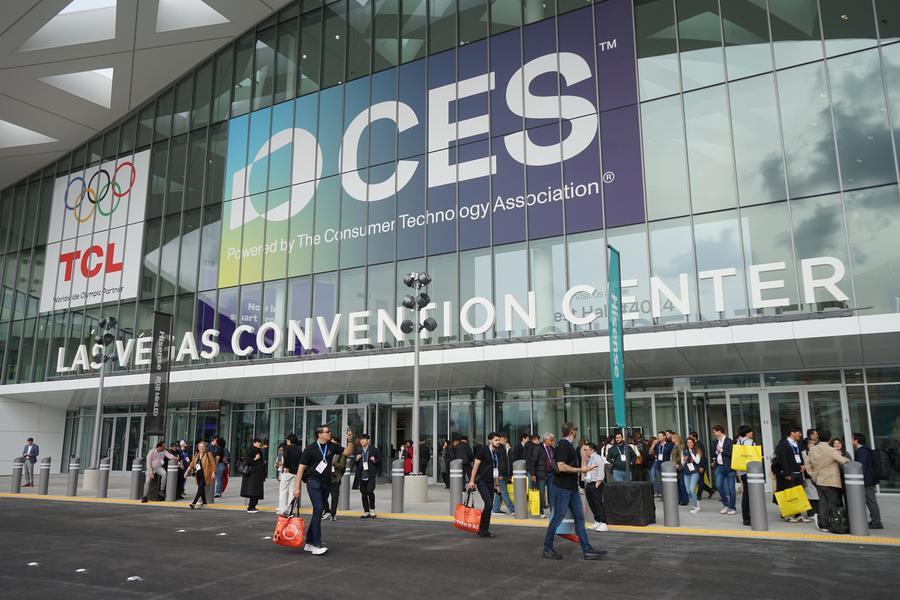
Chinese companies emerged as significant proponents of open-source systems at the just-concluded 2026 Consumer Electronics Show (CES) in Las Vegas, showcasing a commitment to sharing and modifying underlying code and instructions to foster global digital sovereignty. The event, which took place from January 6 to 10, highlighted the increasing importance of collaboration across industries and the growing adoption of open-source models.
During the show, Alibaba introduced its Qwen series as an open-weight model family, leading to the creation of over 100,000 variations by international developers. Similarly, DeepSeek, a Chinese AI research lab, launched its R3 reasoning model under an open license, demonstrating that advanced AI solutions can be developed more efficiently and at lower costs compared to many Western options.
Robotics companies like Unitree and Agibot showcased their innovative use of open-source reasoning layers to perform complex tasks in both domestic and factory environments. Their efforts are aimed at establishing international standards for a transparent and inclusive AI ecosystem.
At the CES Asia Night, technology and business leaders celebrated the longstanding partnership between the United States and Asia, emphasizing the need for deeper relationships to bolster global consumer technology trends. The event served as a platform for discussing brand globalization, supply chain innovation, and cross-border growth, connecting Asian enterprises with global technology partners and investors.
In a significant collaboration, Dolby Laboratories announced partnerships with Chinese television manufacturers Hisense and TCL to enhance display technology. This partnership is part of an initiative to integrate software and hardware, responding to consumer demands for improved picture quality and immersive viewing experiences. The new Dolby Vision 2 technology aims to deliver a more authentic and uncompromising viewing experience.
As the push for open-source cooperation continues, firms in both the United States and Europe are incorporating shared platforms across various sectors, from manufacturing to healthcare, to ensure the benefits of artificial intelligence are accessible to all. In his keynote address, Nvidia CEO Jensen Huang underscored the significance of this shift, stating, “We can now know that AI is going to proliferate everywhere when open source, when open innovation… is activated at the same time,” thereby ensuring that digital intelligence does not “leave anyone behind.”
This collaborative ethos is facilitating synergies between heavy industries and technology providers. A renewed partnership between Siemens and Nvidia aims to create an industrial AI operating system that integrates open physical AI—machines capable of understanding and interacting with natural laws—with “agentic” software that can reason and perform tasks independently. This system enables factories to be designed, tested, and optimized in a virtual “digital twin” environment prior to physical construction.
Boston Dynamics also made headlines at CES by showcasing a next-generation humanoid robot, a product of collaboration with Google DeepMind and Nvidia. This development illustrates how open research in machine learning can enhance robot dexterity and autonomy.
The healthcare industry is similarly benefiting from open collaboration. The medical AI company Abridge is leveraging open systems to automate clerical tasks such as clinical note-taking, allowing healthcare providers to spend more quality time with patients. This initiative is supported by the BioNeMo framework, an open-source library that assists researchers globally in analyzing proteins and chemicals for drug discovery.
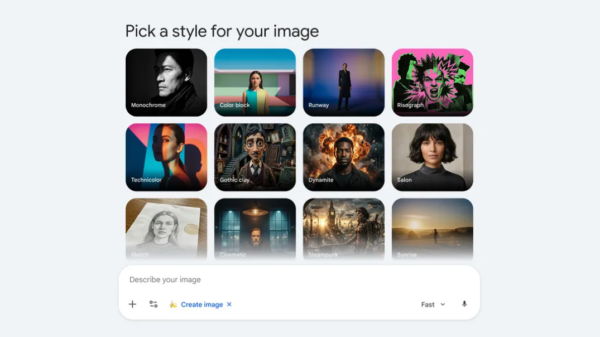
Industry experts at CES noted that these shared tools act as a “force multiplier,” enabling smaller medical institutions in developing regions to access high-level intelligence previously reserved for major research hospitals. In the media and content creation sectors, open-source technology has made high-quality production more affordable, with companies utilizing “neural rendering” tools to create realistic images and robotic character animations.
By maintaining open rendering frameworks, smaller studios and independent creators can achieve extreme photorealism at 500 frames per second, a capability that was once the domain of only the largest corporations. The movement is further advocated by trade groups and international regulators, including the Home Connectivity Alliance, which promotes open ecosystems within the smart home sector for improved energy efficiency.
Additionally, the European Union AI Act encourages open-source models to enhance European competitiveness while ensuring consumer safety through transparency. Analysts believe that the strong advocacy for open-source cooperation witnessed at CES 2026 signals a shift from closed competition toward a more integrated global technology landscape. By sharing foundational models and establishing collaborative standards, both Chinese and international firms are paving the way for AI to be a transformative tool in all professional fields.
For more information about the 2026 CES, visit CES’s official website.
See also AI Model SleepFM Predicts Health Risks for 130 Diseases from One Night’s Sleep Data
 Google Removes Misleading AI Health Summaries After False Information Claims
 Chinese AI and Semiconductor Stocks Surge as Independence Strategy Fuels Investment in Hong Kong
 Transforming Credit Evaluation: How Agentic AI and GenAI Revolutionize Lending Efficiency
 AI Adoption Surges: 1 Billion Users Shift Focus to Responsible Governance and Sustainability