





































The Chinese artificial intelligence lab DeepSeek is preparing for the release of its next major update, V4, which is expected around the Lunar New Year. In a strategic move that favors domestic suppliers, DeepSeek has granted early access to its latest model to local companies, including Huawei Technologies, while specifically withholding access from American chipmakers Nvidia and AMD, according to a report by Reuters. This decision appears to reinforce China’s push for self-reliance in AI technology amid escalating tensions with the U.S. over tech trade.
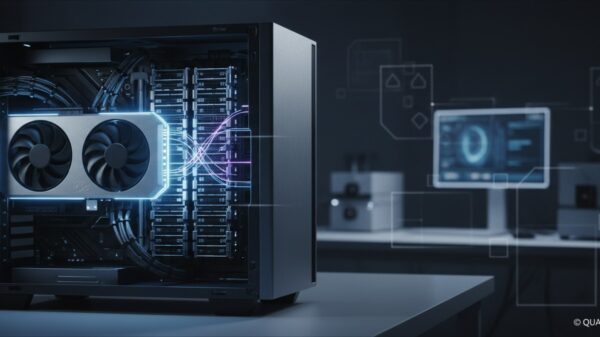
Sources familiar with the matter indicated that DeepSeek’s upcoming model was trained using Nvidia’s advanced Blackwell chip, which raises potential concerns about compliance with U.S. export regulations. A senior official from the Trump administration previously suggested this training occurred on a cluster based in mainland China, hinting at possible violations of export laws. In anticipation of scrutiny, DeepSeek may attempt to obfuscate the technical indicators that would reveal its reliance on American chips, reportedly planning to publicly assert that it utilized Huawei’s chips for model training.
This decision comes as DeepSeek prepares to fine-tune its software, giving Chinese manufacturers a competitive edge. By excluding Nvidia and AMD from initial access, DeepSeek is positioning itself to capitalize on the domestic market while navigating the restrictions imposed by U.S. authorities. A U.S. Commerce Department official, speaking at a congressional hearing, clarified that Nvidia’s H200 chips have not been sold to Chinese customers, underscoring the ongoing limitations on tech exports to China.
Despite these challenges, Nvidia recently reported strong financial results, with a fourth-quarter revenue of $68.1 billion, marking a 73% increase year-over-year and exceeding Wall Street’s expectations of $66.12 billion. The company’s performance is buoyed by the demand for AI chips, a sector that continues to evolve rapidly. The robust results suggest that Nvidia remains a dominant player in the market, even amid geopolitical tensions.
As Nvidia navigates complex regulations, it is noteworthy that U.S. authorities have permitted limited sales of its second-most-advanced AI chips to China under specific conditions, while the export of the more advanced Blackwell chips remains restricted. This regulatory environment further complicates the landscape for companies like DeepSeek, which are keen to advance their AI capabilities while adhering to international laws.
In the realm of retail sentiment, users on Stocktwits have expressed an “extremely bullish” outlook for Nvidia, driven by high message volume surrounding the stock. Over the past year, shares in Nvidia have surged by 53.5%, reflecting investor confidence in the company’s future prospects. The juxtaposition of Nvidia’s strong market performance and the challenges faced by Chinese AI labs illustrates the complexities of the current tech landscape.
The developments surrounding DeepSeek and its strategic choices underscore a broader trend in the AI industry, where geopolitical factors increasingly influence technology access and innovation. As Chinese companies seek to fortify their positions in AI, the interplay between U.S. chipmakers and Chinese firms like DeepSeek is likely to shape the future trajectory of this rapidly evolving sector. Looking ahead, the release of DeepSeek’s V4 model may not only impact the competitive dynamics within China but also serve as a litmus test for the resilience of U.S. technology exports amid ongoing geopolitical frictions.
See also Meta’s AI Safety Director Loses Control as OpenClaw Deletes Her Inbox
 Genies Partners with King Records to Create AI Companions for ‘Hypnosis Mic’ Franchise
 YouTuber Files Copyright Class Action Against Runway AI Over Training Practices
 OpenAI Acquires Meta’s AI Leader Ruoming Pang with $200M Package Amid Talent War
 Microsoft Reports $37.5B Capex in Q2, Raising Investor Concerns on AI Spending