
















































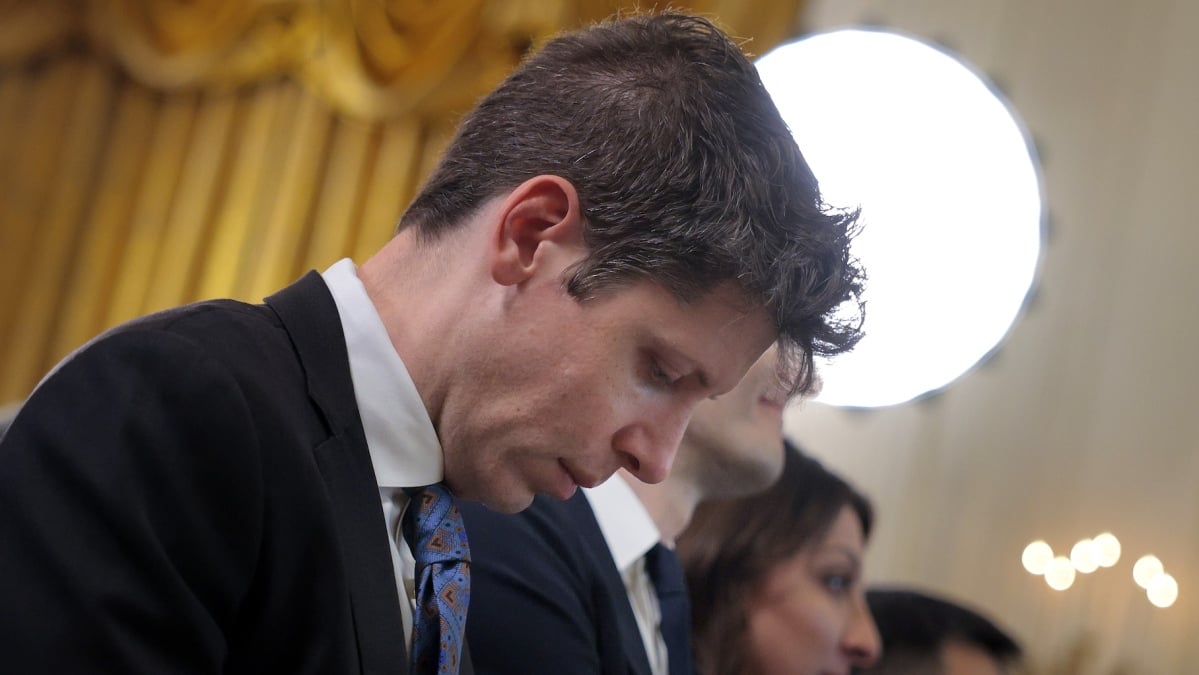
In a striking convergence of corporate interests, Disney’s CEO Bob Iger has positioned his company firmly alongside OpenAI, led by Sam Altman. On the same day that Disney filed a lawsuit against Google, alleging unlicensed use of its intellectual property, it also licensed a portion of that property for use in Sora, a video generation platform developed by OpenAI, Google’s primary competitor. This strategic move was underscored by Iger’s substantial investment of $1 billion in OpenAI, signaling a clear alignment in the ongoing AI rivalry.
While the timing of the deal raises eyebrows, it is worth noting that the financial implications seem to favor Disney more than OpenAI. Currently, OpenAI is grappling with staggering financial losses, with estimates suggesting that the billion-dollar infusion from Disney would only cover three to four weeks of its presumed expenditures. Such figures illuminate the precarious financial landscape for OpenAI, which may require thousands more deals like this one just to maintain operations.
This latest partnership allows OpenAI’s users to create videos featuring Disney’s approved characters, thereby providing Disney with both a stake in a burgeoning technology and a stream of user-generated content for its Disney+ platform. For Disney, this deal represents not just a financial investment but a strategic foothold in the rapidly evolving AI landscape. In contrast, OpenAI finds itself in a precarious position, where immediate financial relief is scant.
The urgency of OpenAI’s situation became apparent with recent analyses indicating that the company is facing unprecedented financial challenges. The Atlantic has labeled OpenAI as the “Netscape of AI,” alluding to the dotcom era’s leading web browser that could not withstand competition from larger tech firms. Deutsche Bank’s analyst Jim Reid has projected OpenAI’s losses could reach an astonishing $140 billion from 2024 to 2029, based on its existing spending commitments, which exceed $1 trillion.
Current reports highlight that OpenAI’s revenue in the first half of 2025 was $4.3 billion, while total expenditures soared to $17.8 billion. Reid remarked, “No start-up in history has operated with expected losses on anything approaching this scale,” encapsulating the daunting financial realities facing the company. As the industry watches closely, the potential for a bailout looms large, with OpenAI possibly seeking assistance from entities like Microsoft, NVIDIA, or even the U.S. government, should its fiscal situation worsen.
The implications of these developments extend beyond immediate financial concerns. Disney’s recent foray into an investment with OpenAI underscores the necessity for robust partnerships within the tech ecosystem, particularly as the pressures of competition intensify. With major tech firms like Microsoft and NVIDIA already having established ties with OpenAI, Disney’s involvement may pave the way for further collaborations, thereby enhancing its portfolio while supporting the AI sector.
As OpenAI navigates these turbulent waters, the company’s valuation and future prospects hang in the balance. The partnership with Disney could serve as a lifeline, akin to what AOL provided Netscape in its twilight years. Moving forward, the industry will be closely monitoring how effectively OpenAI can leverage its new alliances to stabilize its financial footing and continue to drive innovation in artificial intelligence.
See also SentinelOne’s AI Security Gains Trigger Revaluation Amid Salt Typhoon Fallout, Fair Value at $21.55
 Seize AI Investment Opportunities: Amazon’s Growth Signals Potential in 2026
 University of Hawaiʻi AI Breakthrough Enhances 3D Mapping of Sun’s Magnetic Field
 AI Platforms Set to Surpass Social Media as Major Advertising Destinations by 2026, Analyst Predicts