















































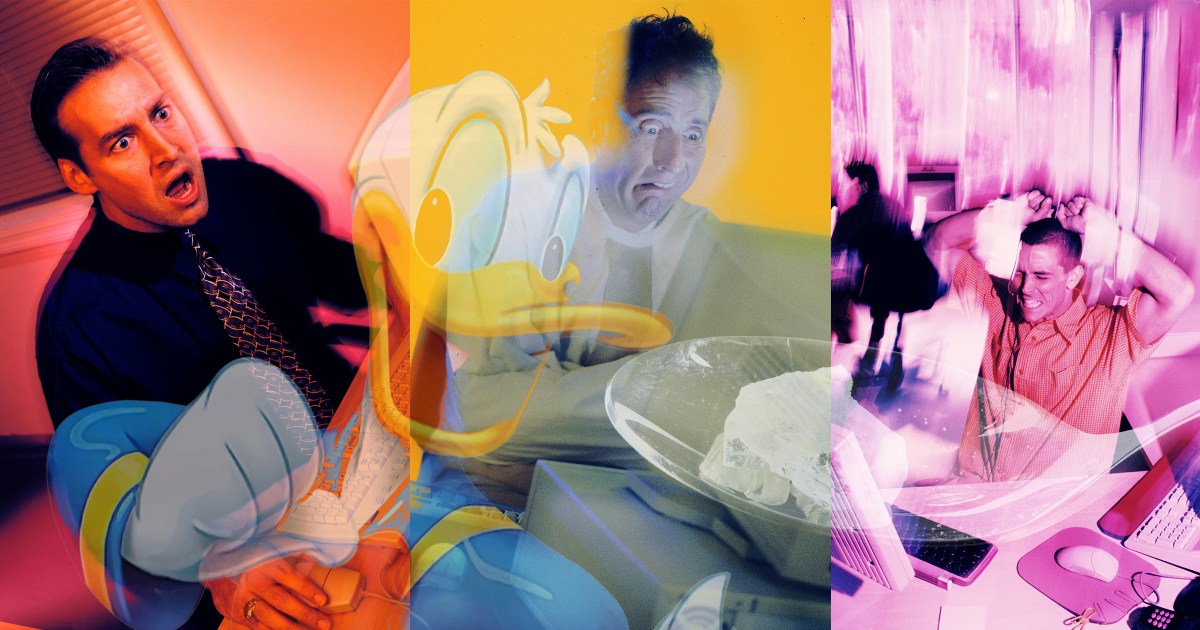
Disney has announced a groundbreaking licensing agreement with OpenAI, enabling the use of over 200 of its iconic characters in the latter’s video-generating app, Sora. The deal, revealed on Thursday, marks a significant shift in Disney’s approach to artificial intelligence, allowing users of Sora to create clips featuring beloved characters from franchises including Marvel, Star Wars, and Pixar. Alongside this licensing agreement, Disney is making a notable $1 billion investment in OpenAI, the maker of ChatGPT.
The three-year partnership, which is the first major licensing deal between OpenAI and a Hollywood studio, will allow users to generate depictions of characters like Darth Vader, Cinderella, Iron Man, and the toys from “Toy Story” starting sometime in 2026. Importantly, the agreement stipulates that only animated or illustrated versions of these characters can be depicted, excluding talent likenesses or voices.
Disney CEO Bob Iger emphasized the intent behind the collaboration, stating, “Through this collaboration with OpenAI, we will thoughtfully and responsibly extend the reach of our storytelling through generative AI, while respecting and protecting creators and their works.” This sentiment comes amid growing concerns about ethical considerations in AI-generated content.
However, the deal raises questions about the implications for the integrity of Disney’s intellectual property. The Sora app, launched in October, has generated controversy for its capability to create deepfake-like content featuring friends and celebrities in various absurd scenarios. Users have produced videos showcasing characters from across the entertainment spectrum in controversial contexts, prompting discussions about copyright infringement that had previously led Disney to take a hard stance against unauthorized uses of its properties.
OpenAI’s Sora has quickly become a popular platform for creating bizarre mashups of characters, such as SpongeBob in compromising scenarios. This has led to speculation about whether the new licensing arrangement is a preemptive move to gain control over content that has already begun to infringe on Disney’s copyrights. Bill Peebles, the team leader of Sora, hinted at the inevitability of licensing fictional characters, suggesting that the capability to create such content would soon be officially sanctioned.
While Disney and OpenAI assert that voices of characters will not be part of this new agreement, concerns remain about how the characters will be represented. If voices cannot be generated, spectators may find iconic characters like Darth Vader or Yoda rendered silent in user-generated content, leading to further questions about how these creations will resonate with audiences.
In an intriguing development, Disney announced that fans would be able to view “curated selections” of Sora videos on its streaming service, Disney+. This move appears to bring AI-generated content directly to audiences, including children, raising ethical considerations about the types of material that will be accessible through such platforms. Additionally, Disney plans to utilize OpenAI’s technology to develop new products and tools, including for its Disney+ streaming service, further intertwining its future with generative AI.
This agreement signifies a major turning point in how the entertainment industry approaches the burgeoning field of artificial intelligence, especially in light of Disney’s recent past of pushing back against AI’s potential copyright violations. Just months ago, the company issued cease-and-desist letters to various platforms that mimicked its copyrighted characters, including a notable action against Character.AI and a lawsuit against Midjourney.
While the wisdom of this investment may be contested, Disney’s partnership with OpenAI clearly reflects a desire to adapt to the evolving landscape of content generation. OpenAI CEO Sam Altman expressed enthusiasm about the collaboration, stating, “Disney is the global gold standard for storytelling, and we’re excited to partner to allow Sora and ChatGPT Images to expand the way people create and experience great content.”
This landmark deal not only underscores the shifting dynamics between traditional media and emerging technologies but also raises vital questions about the future of creative ownership and the integrity of storytelling in an increasingly AI-driven world.
See also Silicon Valley Summit Spotlights Humanoid Robots Amid High Skepticism and Global Competition
 Hitachi’s ITxOT and AI Strategy Reshapes Investment Outlook Amid Rising Costs
 Scott Bessent Proposes AI-Driven Finance Oversight, Aims to Cut Regulatory Barriers
AI Supply Chain: U.S.-China Rivalry Fuels Tech Cold War, Reshaping Global Power Dynamics
 3 Billion Lack Internet Access Amid AI Governance Debate, Threatening $3.5 Trillion Economic Boost