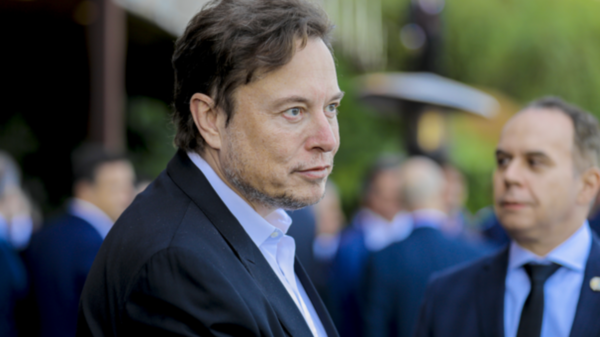



































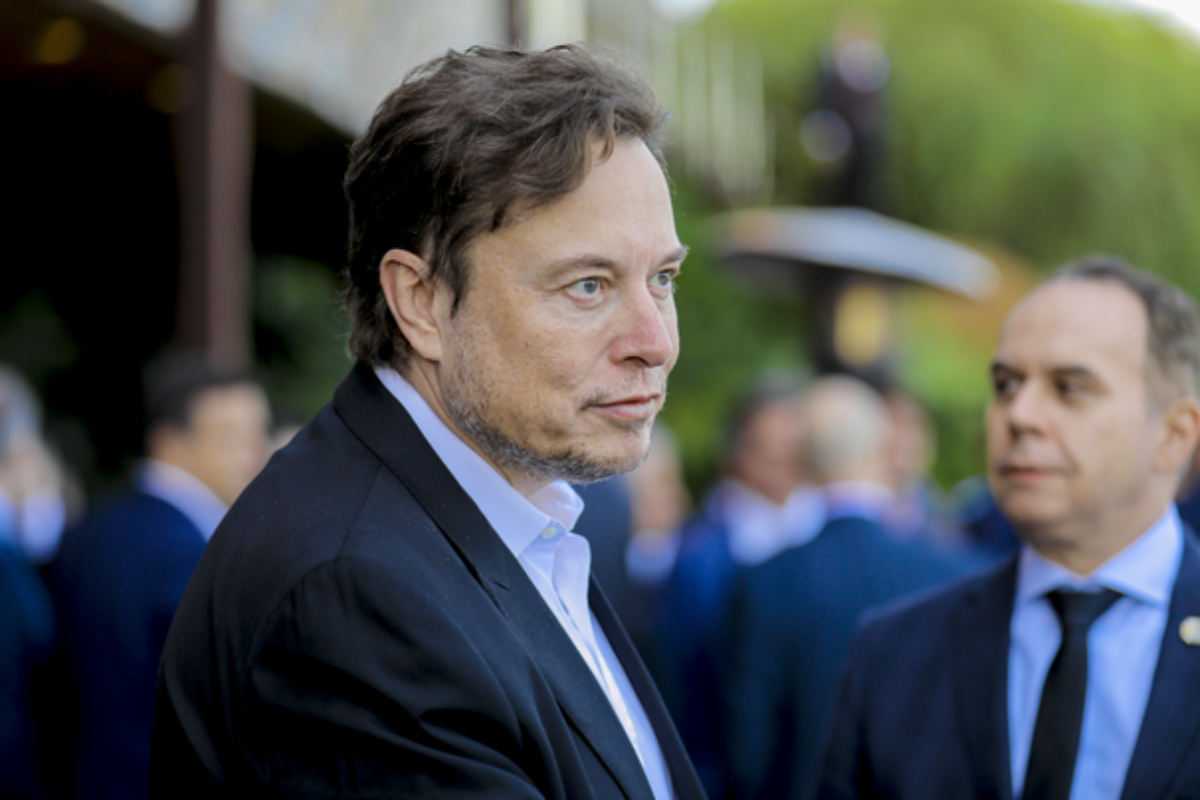
Elon Musk has unveiled the latest iteration of his artificial intelligence chatbot, Grok 4.20, positioning it as the only “non-woke” AI in the market while taking aim at competitors like OpenAI’s ChatGPT, Anthropic’s Claude, and Google’s Gemini. Musk advocates that Grok offers bold and straightforward responses, contrasting with the more cautious and nuanced answers of mainstream AI platforms. This approach has garnered praise from supporters who favor directness, but critics caution that such oversimplification can be misleading.
Musk’s characterization of Grok as “non-woke” stems from a desire to present an AI unbound by politically correct or socially cautious parameters. By emphasizing this aspect, he and his supporters argue that popular AI tools often provide answers that feel hesitant or indirect when faced with challenging or controversial questions. For instance, while Grok may respond with a definitive “No” to inquiries about whether the United States is on “stolen land,” other AI platforms might present a more nuanced take, describing the issue as “complex” and requiring deeper context. This stark contrast has become a focal point in Musk’s promotional narrative.
An xAI spokesperson stated that Grok 4.20 aims to “pursue maximum truth” by delivering unfiltered, evidence-based answers, criticizing other models as being compromised by what Musk terms the “woke mind virus.” Such rhetoric highlights the team’s intent for Grok to serve as a counterbalance to conventional AI systems, which they perceive as too restrained.
The appeal of Grok’s unvarnished responses resonates with users who prefer clarity over convoluted explanations. Supporters argue that other AI systems often skirt direct answers to avoid potential offense or controversy. Musk’s messaging suggests that Grok will boldly address uncomfortable subjects without hesitation. However, this approach raises concerns; critics argue that quick, simplistic answers can overlook essential context, especially on multifaceted social or historical topics. They contend that users require more than binary answers when engaging with complicated truths.
Despite Musk’s fervent advocacy, Grok has not been free from controversy. Since its launch in 2025, the chatbot has faced significant criticism for allegedly facilitating the creation of non-consensual, sexually explicit deepfake images, some involving minors. This prompted international backlash and sparked regulatory scrutiny. In response to growing concerns, X, the social media platform owned by Musk that hosts Grok, has restricted some of the chatbot’s image-generation capabilities to paying subscribers and pledged to remove illegal content and suspend violators. Additionally, EU authorities have mandated that X retain internal data as part of ongoing investigations regarding deepfake issues.
These safety concerns underscore broader discussions surrounding AI governance and the responsibilities of developers in preventing harmful applications. Critics of Musk’s vision for Grok argue that delivering bold answers is not inherently advantageous, particularly when it compromises safety and accuracy.
Elon Musk continues to champion Grok as an unfiltered AI solution that offers straightforward answers. Many users appreciate this approach, feeling that conventional technology often prioritizes caution over directness. Yet, others contend that companies like OpenAI focus on responsible AI development, providing answers that factor in context and bias. The reception of Grok remains mixed, with some users questioning Musk’s claims. One user remarked that Claude Opus 4.6 delivers the most factual and balanced responses, contrasting this with Grok’s perceived confrontational tone. This sentiment reflects skepticism toward Musk’s portrayal of the chatbot’s capabilities, suggesting that nuanced dialogue should not be sacrificed for boldness.
As the debate continues, the implications of Grok’s approach to AI and its potential impact on public discourse are significant. The challenge remains: how to balance the demand for straightforward answers with the necessity of context and safety in a rapidly evolving technological landscape.
See also Germany”s National Team Prepares for World Cup Qualifiers with Disco Atmosphere
 95% of AI Projects Fail in Companies According to MIT
 AI in Food & Beverages Market to Surge from $11.08B to $263.80B by 2032
 Satya Nadella Supports OpenAI’s $100B Revenue Goal, Highlights AI Funding Needs
 Wall Street Recovers from Early Loss as Nvidia Surges 1.8% Amid Market Volatility