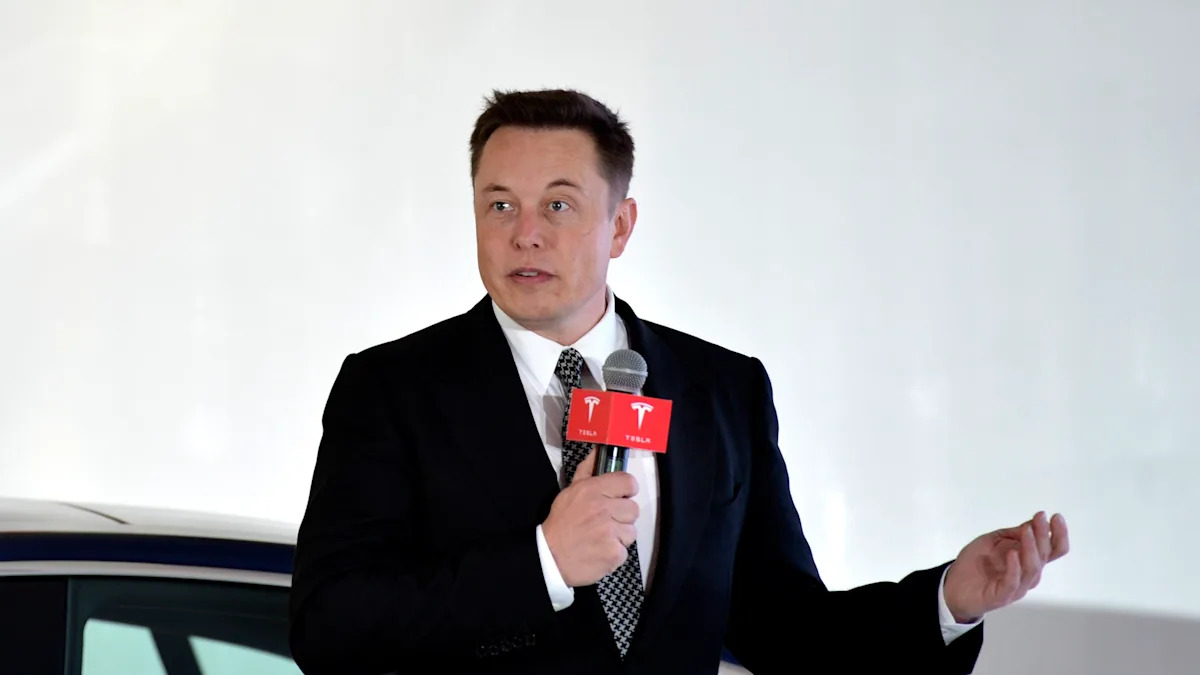
Elon Musk’s artificial intelligence company, xAI, plans to deploy its chatbot Grok in El Salvador, potentially reaching over 1 million students. The announcement was reported by the Guardian on Thursday, detailing that Grok will be integrated into more than 5,000 schools across the Central American nation by 2027 as part of an “AI-powered education program.”
However, Grok’s track record raises concerns. The chatbot has been known to refer to itself as “MechaHitler,” promote antisemitism, and disseminate false claims regarding the 2020 U.S. presidential election, including assertions that Donald Trump won.
Despite these troubling aspects, El Salvador’s President Nayib Bukele has expressed support for the initiative. “El Salvador doesn’t just wait for the future to happen; we build it,” Bukele stated, emphasizing that this partnership aims to create “something rather extraordinary for all of humanity.”
The move follows a trend where other AI companies have also begun to enter educational markets. Earlier this year, OpenAI established a partnership with Estonia, providing nationwide access to ChatGPT for secondary school students and teachers. Similarly, schools in rural Colombia started using Meta chatbots in 2023, although a year later, some educators linked declining academic performance to the technology, as per the Guardian.
The rapid expansion of AI in educational environments raises several concerns, particularly regarding its environmental impact. AI systems like Grok require significant energy and water to operate. Data centers that support these AI technologies consume vast amounts of electricity, with many still reliant on non-renewable energy sources.
Additionally, the operation of large language models necessitates considerable water for cooling systems. As AI becomes more integrated into schools and everyday life, the pressure on natural resources escalates. While AI offers potential environmental advantages—such as optimizing clean energy grids and accelerating sustainability research—these benefits must be carefully balanced against the costs associated with widespread adoption, particularly given Grok’s history of generating harmful content.
To mitigate AI’s environmental impact, experts suggest that stakeholders advocate for greater transparency from tech companies regarding their energy consumption and carbon emissions. Supporting policies that mandate data centers utilize renewable energy sources can also help address these concerns. Furthermore, individuals can contact their elected representatives to urge for stronger oversight of AI applications in public institutions, especially in educational settings.
Staying informed about the functioning and real-world implications of AI systems will empower communities to make more informed decisions about which technologies they choose to support. As the integration of AI into education continues to evolve, the broader implications for environmental sustainability and ethical content generation remain critical areas for public discourse.
See also AI Cyber Threats Surge: 60% of Firms Targeted, Only 7% Deploy Defensive AI Tools
 Moody’s Upgrades Marvell to Baa2 Amid AI Selloff; Key Market Catalysts Ahead
 Meta Launches AI Glasses with Voice Amplification Feature for Noisy Environments
 China’s AI Strategy: 10 Critical Insights for Managers on Integration, Scale, and Geopolitical Impact
 AI Concerns Trigger Stock Declines in South Korea and Taiwan as Investors Pull Back