

















































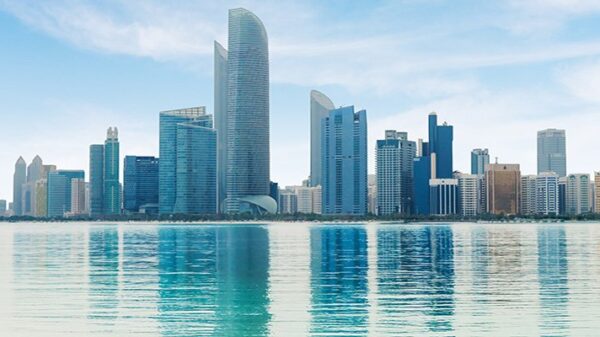


In a striking perspective on urban living, Abhi, a former resident of California, has shifted his allegiance to Bandra, a bustling suburb of Mumbai, claiming it surpasses the Golden State in various aspects of life. Currently residing in a 550 sq ft 1BHK apartment for ₹50,000 per month, Abhi articulates his reasons for favoring Bandra, highlighting the region’s abundant sunlight, terrace access, and overall convenience.
In California, Abhi faced a starkly different reality, paying around $2,000 in rent. The financial burden was compounded by what he describes as a lack of community and warmth. In contrast, he finds Mumbai, particularly Bandra, to be vibrant and welcoming, imbued with a unique cultural essence that fosters a sense of belonging. He notes that the intensity of the California lifestyle often felt isolating, whereas the local food scene and social interactions in Bandra invigorate his daily life.
Abhi’s appreciation for Bandra extends beyond the physical traits of his apartment. He mentions the safety and liveliness of the neighborhood as significant factors contributing to his contentment. The combination of culinary diversity and the iconic Mumbai vibe offers an experience he feels is unmatched by his previous home. This perspective sheds light on a growing trend among expatriates and urban dwellers, who are increasingly reevaluating the allure of metropolitan life in cities like Mumbai, especially in comparison to cities in the U.S.
As Abhi shares his experiences, it becomes evident that affordability plays a crucial role in his satisfaction. The lower cost of living in Bandra, juxtaposed against his past expenditures in California, emphasizes a growing sentiment among young professionals favoring cities that provide not only financial relief but also cultural richness. He articulates that the cost-effectiveness of living in Mumbai allows him to invest in experiences rather than merely affording housing.
Furthermore, Abhi’s narrative resonates with a broader demographic of individuals seeking opportunities for more fulfilling lifestyles while escaping the high costs and sometimes impersonal nature of life in U.S. cities. The allure of places like Bandra lies not only in their affordability but also in their ability to foster community connections and vibrant local cultures.
Looking to the future, Abhi’s story reflects a shifting paradigm in urban living preferences. As more individuals prioritize quality of life over traditional metrics of success, cities that offer a blend of affordability, culture, and community could see a surge in new residents. This trend may alter the landscape of global migration patterns, prompting cities worldwide to rethink their appeal to a younger, increasingly mobile workforce.
In conclusion, Abhi’s transition from California to Bandra serves as a compelling case study of how urban living perceptions can evolve. The distinct advantages he finds in Bandra — from economic benefits to cultural vibrancy — illustrate a significant narrative in the ongoing dialogue about the future of urban life in an increasingly interconnected world.
See also IBM Acquires Confluent for $11 Billion to Accelerate AI Deployment Through Enhanced Data Streaming
 AI, Deep-Sea Mining, and Tropical Forests: Key Trends Shaping Biodiversity in 2024
 Michael Burry Predicts AI Bubble Burst in 2025, Compares Nvidia to Dot-Com Cisco
 AI Transforms Classroom Learning: Educators Leverage Tools for Critical Thinking and Equity