


















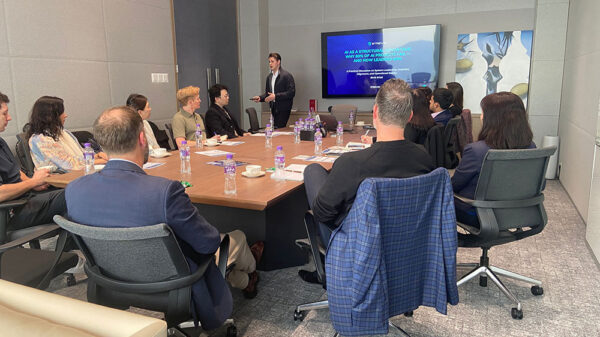






























Global aviation is entering a pivotal era marked by a remarkable rebound in passenger demand, rapid technological advancements, and shifting geopolitical landscapes. As the industry navigates these dynamics, it faces increasing expectations to operate safely, efficiently, and sustainably while prioritizing personalized traveler experiences. The latest edition of Jetstream explores these transformative forces, examining air traffic modernization, pilot training, and drones, along with the complexities of litigation risk and the human aspects of air travel.
Since the 1970s, global air traffic has surged significantly, with aircraft becoming more capable and technologically advanced. However, the supporting systems, especially air traffic management and infrastructure, have struggled to keep pace. Congested airspace, aging systems, workforce shortages, and fragmented regulatory frameworks are placing considerable strain on operations worldwide. While modernization initiatives including performance-based navigation and next-generation air traffic systems are underway, they often face funding, governance, and interoperability challenges. Consequently, a widening gap exists between what aircraft can achieve in-flight and the ground infrastructure that can reliably support these capabilities.
Geopolitical tensions have intensified their impact on aviation, as armed conflicts and regional instability compel airlines to reroute flights, consequently increasing fuel consumption and operational complexity. Delivery delays for new aircraft are further constraining fleet flexibility amid rising demand. For operators, navigating this unpredictable risk landscape requires sophisticated scenario planning and data-driven decision-making, while insurers are compelled to reassess exposure related to war risks, political instability, and supply chain disruptions.
As aircraft systems grow more complex, traditional training models for pilots are becoming inadequate. Competency-Based Training and Assessment (CBTA) presents a more adaptive training approach focusing on real-world performance rather than merely fulfilling flight hour quotas. Successful implementation necessitates integration within an operator’s Safety Management System (SMS), allowing CBTA to serve as an effective risk mitigation tool. Many forward-thinking organizations are embedding CBTA within their safety culture, emphasizing continuous performance improvement and operational risk reduction.
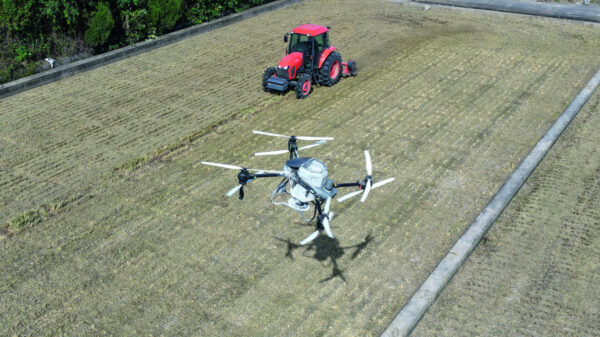
Uncrewed Aircraft Systems (UAS), or drones, have gained prominence across various sectors, including agriculture, energy, and construction. Their integration into aviation has also grown, with applications ranging from runway inspections to emergency response. As beyond visual line of sight (BVLOS) operations become more common, the regulatory landscape continues to evolve, posing challenges related to safety, public trust, and cybersecurity.
Another emerging trend is the rise of litigation funding, where third parties finance legal actions in exchange for a share of any proceeds. While this practice offers increased access to justice, critics argue it may distort legal incentives, particularly in aviation, where claims tend to be complex and high-value. As litigation funding becomes more prevalent, understanding its implications is becoming essential for risk management within the aviation ecosystem.
Artificial intelligence is transforming the airport experience, enhancing passenger flow through innovations such as biometric check-ins and predictive security screening. For travelers, this translates to shorter wait times and smoother navigation from curb to gate, while operators benefit from improved resource allocation and disruption anticipation. However, as AI continues to penetrate the industry, concerns regarding data privacy and system resilience are paramount.
Beyond the technological advancements lies the human side of aviation, characterized by the quiet camaraderie of frequent flyers and the rituals that enhance the travel experience. The true luxury of air travel is often found not in comfort or prestige, but in connection and the privilege of movement across borders. As the aviation industry adapts to new realities, it is crucial to recognize that at its core, it remains a fundamentally human experience.
In conclusion, the forces shaping aviation today are interconnected signals of an industry in transformation. With an emphasis on safety, innovation, and responsibility, the future of aviation will depend on how effectively these challenges are met. The latest edition of Jetstream aims to provide valuable insights into the significant issues and innovations currently affecting the industry.
About Global Aerospace Global Aerospace has a rich history spanning over a century, dedicated to providing aviation insurance solutions that empower stakeholders in the industry. With a strong financial foundation and a commitment to innovation, it offers comprehensive risk management for its clients.
Global Aerospace Media Contact
Suzanne Keneally
Vice President, Group Head of Communications
+1 973-490-8588
 Outtake Secures $40M Series B Funding to Enhance AI Security Solutions for Enterprises
 2026: Leaders Navigate AI Risks and Geopolitical Volatility Amid Ongoing Economic Uncertainties
 Bloom Energy Surges 79% Amid $2.65B AI Data Center Power Deal, Faces Valuation Risks
 Meta Platforms Announces $135 Billion AI Investment, Signaling Industry Growth
 BoodleBox and NVIDIA Launch AI Tools for 800,000 Students, Revolutionizing Classroom Learning