
















































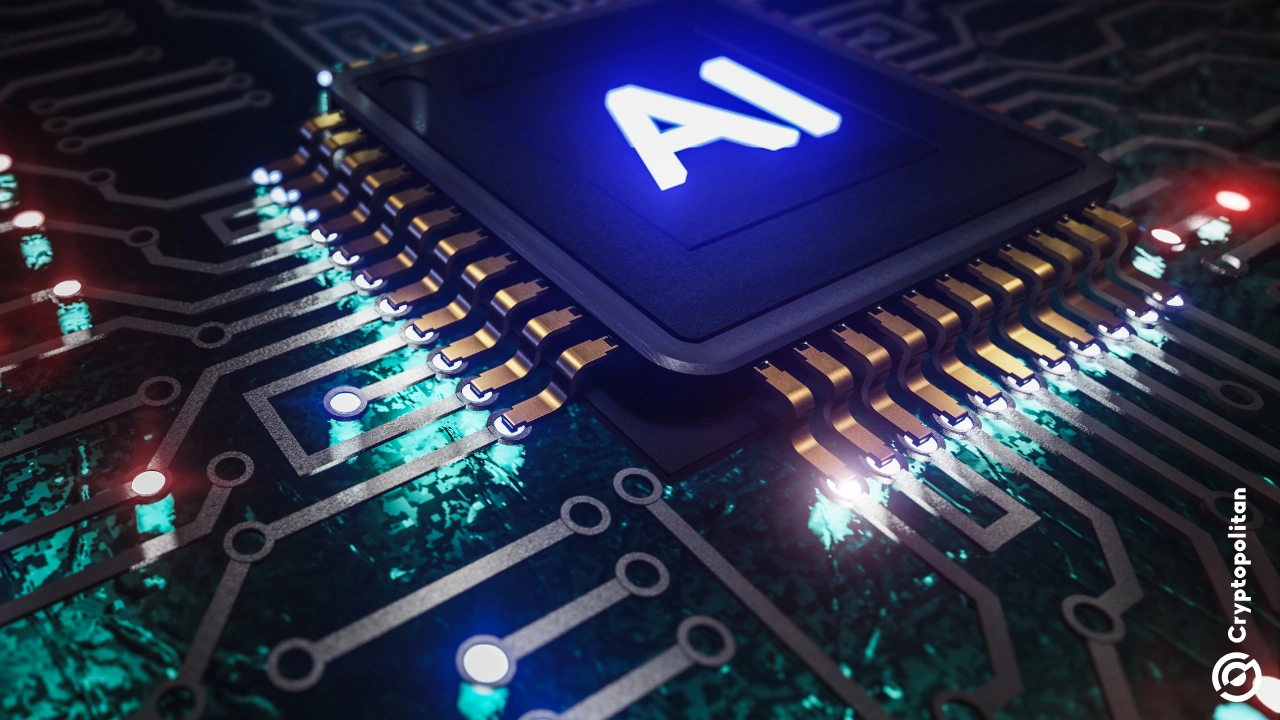
Google is reportedly collaborating with Meta to counter Nvidia’s stronghold in the artificial intelligence (AI) hardware and software landscape. This initiative is seen as part of Google’s broader strategy to strengthen its Tensor Processing Units (TPUs) as a viable alternative to Nvidia’s leading graphics processing units (GPUs).
The parent company of Google, Alphabet Inc., is working with the U.S.-based social media giant Meta to develop AI technologies aimed at dismantling Nvidia’s perceived monopoly in the sector. Industry sources suggest the two entities are engaged in creating TorchTPU, a project designed to enhance the compatibility of Google’s TPU chips with PyTorch, the most widely used AI software framework.
As news of this collaboration emerged, Nvidia’s stock experienced a significant decline of 6.21%, trading at $171.46. Over the past month, Nvidia’s shares have fallen 8.12%, although they have increased by 27.84% year-to-date, according to real-time data from Google Finance.
Insiders indicate that Google is increasing its investment in the development of TorchTPUs in response to rising demand for TPU chips among technology firms. The initiative also includes plans to open-source some of the software components to expedite adoption among potential customers. AI developers predominantly utilize PyTorch for model creation, with Meta playing a crucial role in its ongoing development.
This partnership underscores both companies’ intent to challenge Nvidia’s dominance in the AI landscape. Currently, Nvidia’s power in the AI processor market is largely attributable to its CUDA software ecosystem, which has become integral to running large AI models. Analysts from Wall Street note that CUDA serves as Nvidia’s most formidable defense against escalating competition.
Reports suggest that Meta has a strategic goal of developing software that aligns with TPU architecture, as it seeks to diversify its AI capabilities away from Nvidia and reduce costs associated with AI inference.
The collaboration aligns with Google’s objective of positioning its TPUs as a competitive alternative to Nvidia’s GPUs, which have established a commanding presence in the market. The revenue generated from TPUs has played a vital role in bolstering Google’s cloud revenue, as the company aims to convince investors of the profitability of its AI initiatives.
In a significant shift, Google has begun commissioning TPUs for commercial supply. Historically, the company reserved the majority of its TPU production for internal use; however, a policy change in 2022 allowed its cloud computing unit to control TPU sales. This change coincided with escalating global demand for chips and AI infrastructure.
Google’s TPUs have been primarily designed for the Jax software framework. Consequently, companies using PyTorch would need to overhaul their existing setups to accommodate Jax, a costly endeavor that could be both time-consuming and resource-intensive. Once Google successfully aligns its TPU chips with PyTorch, it could significantly lower the costs and complexities associated with such infrastructural changes.
This initiative is particularly relevant for clients of Google Cloud, such as Anthropic, which utilize TPUs to support various products including Google AI-powered search and the Gemini chatbot.
Recent reports from Cryptopolitan have also highlighted that Google and Meta were in discussions regarding a multi-billion-dollar deal to supply Meta with Google’s AI chips, further emphasizing the depth of their strategic partnership.
As these developments unfold, Google’s commitment to AI technology becomes increasingly clear. The company has reportedly entered into a multi-year contract valued at $7 billion with Hut 8 to lease a data center in Louisiana, with Google providing financial backing to facilitate lease payments and other obligations.
The alliance between Google and Meta signals a pivotal moment in the ongoing battle for dominance in the AI sector, potentially reshaping the competitive landscape and challenging Nvidia’s longstanding supremacy. As the demand for AI capabilities continues to grow, this partnership may not only alter market dynamics but also redefine how companies leverage AI technologies.
See also AI-Driven Workforce Changes Demand New Leadership and Skills, Says Sedgwick Report
 Wall Street Sinks as AI Funding Fears Weigh on Tech Stocks; Oracle Drops 5.4%
 Elon Musk’s xAI Launches Grok in El Salvador to Serve 1 Million Students by 2027
 AI Cyber Threats Surge: 60% of Firms Targeted, Only 7% Deploy Defensive AI Tools
 Moody’s Upgrades Marvell to Baa2 Amid AI Selloff; Key Market Catalysts Ahead