







































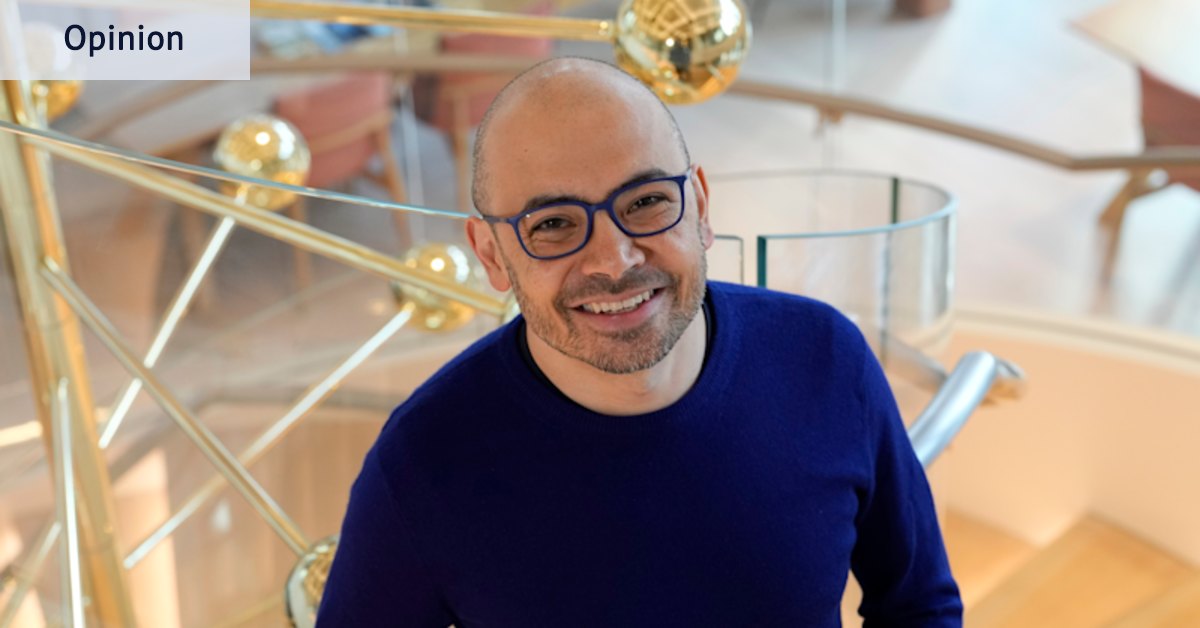
Demis Hassabis, a pivotal figure in the AI landscape, has garnered attention as one of Time magazine’s “AI architects.” Since leading Google’s AI initiatives after the acquisition of his company, DeepMind, in 2014, Hassabis has achieved significant milestones, including a Nobel Prize for advancements in protein folding prediction. His ambitious vision revolves around developing machines that surpass human intelligence, known as artificial general intelligence (AGI). While his accomplishments have elevated Google’s scientific prestige, a breakthrough product remains elusive—until potentially 2026, when the company’s renewed effort in smart glasses could reshape its future.
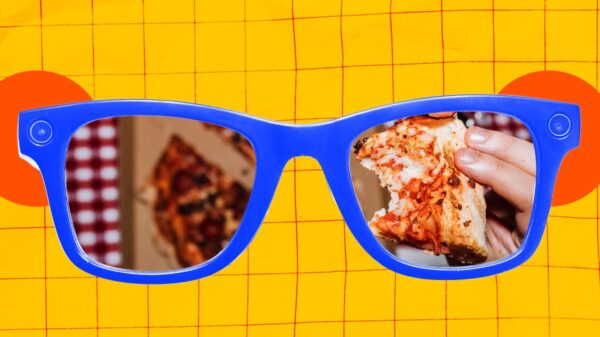
Google plans to release AI-powered smart glasses next year, aiming to compete with products from Meta Platforms Inc. Collaborating with Samsung, these new devices will incorporate a small in-lens display for navigation and translation, among other applications. This launch represents a chance for Hassabis to rehabilitate the smart glasses concept, which suffered a major setback with the original Google Glass, criticized for its design and functionality. A successful iteration could not only redeem the technology but also affirm Hassabis’ belief that AI advancements can emerge from sources beyond just chatbots.
The generative AI boom, spurred by OpenAI’s ChatGPT, has predominantly revolved around large language models (LLMs) powered by substantial computational resources. In contrast, Hassabis champions the idea that “world models”—AI systems trained on simulations and real-world data—will catalyze future breakthroughs. This perspective aligns with the recent departure of Meta’s AI chief, Yann LeCun, who shared similar views but could not persuade Mark Zuckerberg to shift focus from chatbots to other innovative avenues.
In a strategic move, Google merged its two AI divisions under Hassabis’s leadership in 2023, surprising many observers who anticipated that engineering lead Jeff Dean would assume the role. Hassabis, who chose to remain based in London rather than relocate to Silicon Valley, has focused on scientific discovery and collaboration, mending deep-rooted rivalries within the organization. This integration aims to accelerate progress at a time when competition in the AI sector is intensifying.
In a notable recruitment effort, Google effectively spent $2.7 billion to rehire Noam Shazeer in August 2024. Shazeer, a key figure in developing the Transformer architecture that underpins modern AI, had previously left Google due to frustrations over the company’s reluctance to launch a chatbot program before OpenAI’s success. Upon his return, Shazeer became the technical co-lead for Google’s Gemini chatbot and reports directly to Hassabis. This partnership, marked by differing priorities concerning the pathway to AGI, highlights Hassabis’s diplomatic skills as he navigates the complexities of managing diverse talent.
As the race for AI dominance accelerates, Hassabis finds himself in a challenging position. “He’s in a hyper-capitalist race that he didn’t start, and now that he’s in it he’s determined to win,” remarked Sebastian Mallaby, author of an upcoming book on Hassabis and DeepMind. While a significant part of his identity is rooted in scientific inquiry, the competitive landscape prompts a shift toward a more results-driven approach, balancing ambition with integrity in his pursuit of advanced AI technologies.
Looking ahead, the potential launch of AI-powered smart glasses could signify a turning point for Google and deepen its commitment to exploring diverse AI pathways. As Hassabis continues to advocate for innovative approaches to machine intelligence, the tech industry will be closely monitoring whether his vision can translate into tangible products, particularly in a landscape increasingly dominated by large language models and chatbot technologies.
See also Meta Acquires AI Startup Manus for $3B, Boosting Growth Amid Regulatory Challenges
 Reddit Stock Soars 5.3% as Needham Labels It “New Homepage” for AI Answers
 British Rowers Pause Transatlantic Race to Rescue Entangled Sea Turtle, Highlight Ocean Conservation