













































As 2025 draws to a close, the landscape of generative A.I. in the United States reveals two key insights: usage is soaring, yet public sentiment leans toward skepticism. Led by the dominant app ChatGPT, which has held the No. 1 position in the App Store this year, over a billion individuals are engaging with various generative A.I. platforms weekly. Data from Gallup indicates a significant uptick in workplace use of these technologies. However, surveys from Pew Research suggest that the majority of Americans harbor more concerns than enthusiasm regarding A.I., reflecting a global sentiment. A YouGov poll reveals that 68 percent of Americans would not permit an A.I. to act on their behalf without prior approval for each action.
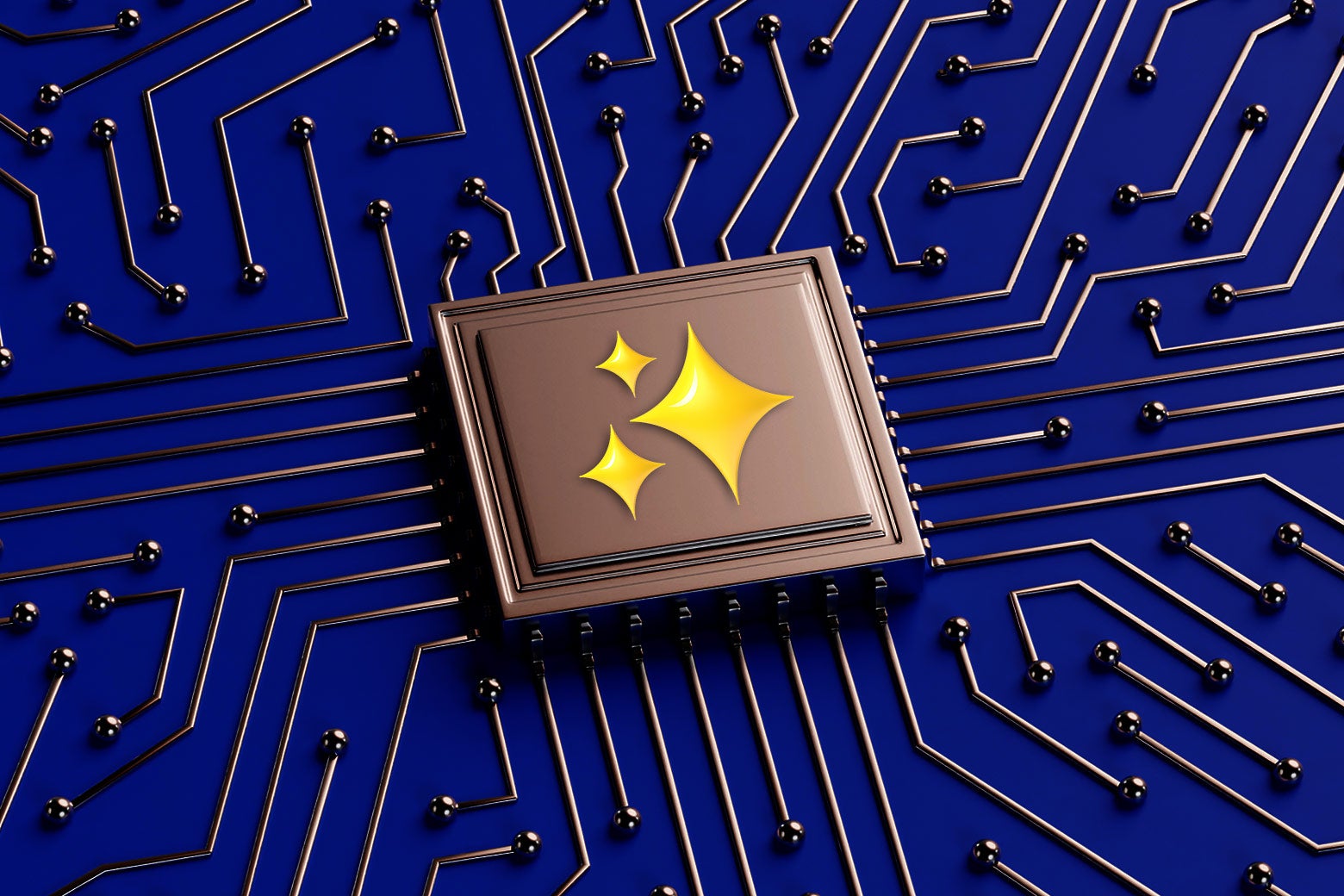
This ambivalence towards A.I. may stem from superficial design elements rather than substantive issues. A theory posits that the simplistic icons—specifically, the “sparkle” symbol—used to indicate generative A.I. features inadvertently convey a sense of magic that may not align with user expectations. These visual cues, such as four-pointed stars or misshapen diamonds, became prevalent in the tech sphere around the mid-2010s, particularly through Google’s early adoption.
The sparkle has since become ubiquitous across various A.I. products, including Google’s Gemini and Adobe’s Firefly, which specializes in generative A.I. applications. In many instances, the icon appears when users are prompted to utilize A.I. capabilities, such as reworking text in ChatGPT or activating the A.I. Companion feature in Zoom.
The ambivalence surrounding A.I. usage might not stem from leaders like Sam Altman or Satya Nadella failing to deliver on their promises. Instead, the underlying issue could be the very design choices prevalent in the industry. Heather Turner, an associate chair at Santa Clara University, notes that the sparkle symbol carries a metaphorical weight that suggests “magic,” which can have both positive and negative connotations. In folklore, magic often serves as a narrative device to impart cautionary lessons.
Turner’s perspective aligns with that of Nik Kale, a principal engineer at Cisco, who emphasizes the design principle behind such symbols. He argues that the icon serves to represent superintelligence and automation, which resonates with users. This design choice, while seemingly innocuous, can shape user perceptions and developer attitudes toward the technology.
Despite their widespread use, neither Turner nor Kale expressed ignorance regarding the potential downsides of A.I. Yet, they acknowledged that the “sparkle” is intended to evoke feelings of wonder and excitement about A.I. products. The ambiguity of the sparkle allows it to be associated with a range of A.I. applications, from creative endeavors to potentially problematic scenarios, such as generating misleading images or facilitating targeted searches.
Turner argues that not every interaction with technology should be seamless and pleasurable; sometimes, friction and cautionary measures are essential. In the context of generative A.I., the absence of clear warnings—like those that would caution against using tools for spreading misinformation—leaves users with an unrealistic view of the technology’s capabilities.
When asked about her ideal symbol for generative A.I., Turner suggested a triangle with an exclamation point, which would convey both excitement and caution. However, she acknowledged the challenges of implementing such a design within corporate structures that often prioritize marketability over clarity. The result is the enchanting sparkle, which lacks the necessary context for users to make informed decisions.
While the sparkle has gained traction, establishing it as the definitive symbol for A.I. has proven difficult. Research from the Nielsen Norman Group indicates that as recently as September 2024, only 17 percent of users associated the sparkle with A.I. capabilities; the majority still link it to actions like saving or favoriting content. The visual confusion arises because the sparkle resembles a star, which 73 percent of respondents identified with saving functionality.
Nevertheless, the sparkle is increasingly becoming embedded in the lexicon of tech industry A.I. products. Kale predicts that as the industry collectively defines how A.I. is presented within user interfaces, this symbol will continue to gain recognition. A search for “A.I.” on icon repositories like the Noun Project reveals that variations of the sparkle dominate the results.
The potential longevity of the sparkle as a symbol for A.I. could mirror how certain icons, such as those representing Wi-Fi, have become embedded in public consciousness. In the case of generative A.I., the effectiveness of such icons may not be as quantifiable as internet metrics. Yet, the allure of the sparkle suggests that even in uncertain times, users may still be drawn to the promise of something transformative at their fingertips.
For more on the evolving landscape of A.I. and its implications, visit OpenAI, Google, and Adobe.
See also IMF Urges Global Regulators to Strengthen AI Oversight Amid Rising Market Risks
 China’s DeepSeek Model Disrupts U.S. AI Dominance, Prompting Policy Shifts and Global Tech Backlash
 China’s High-Quality Goods, Including NEVs and DeepSeek, Drive Global Green Transition
 Generative AI in Manufacturing to Surge 25% by 2032, Driven by Key Players like NVIDIA and Google
 Oracle Faces 30% Stock Plunge, Risking Worst Quarter Since 2001 Amid AI Infrastructure Concerns