













































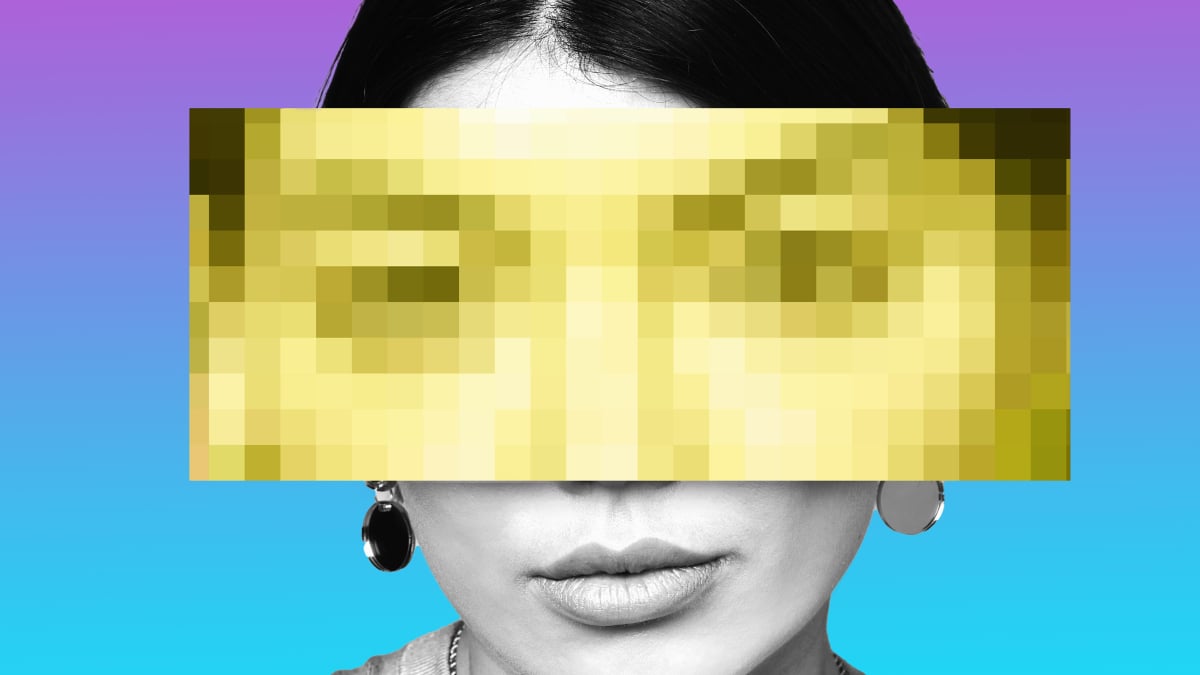
Hugging Face is taking steps to combat the rise of AI-generated deepfakes, a growing concern in the digital landscape. The company, known for its development of machine learning tools and hosting AI projects, has introduced a new collection titled “Provenance, Watermarking and Deepfake Detection.” This initiative includes various tools aimed at embedding watermarks in audio files, large language models (LLMs), and images, as well as mechanisms for detecting deepfakes.
The advent of generative AI technology has led to an alarming proliferation of deepfake audio, video, and images. These misleading representations not only contribute to the spread of misinformation but also raise issues surrounding plagiarism and copyright infringement. Deepfakes have become a significant concern, prompting actions such as President Biden’s recent executive order on AI, which specifically calls for the watermarking of AI-generated content. In line with this directive, companies like Google and OpenAI have developed their own tools for embedding watermarks in images created with their generative AI models.
The collection of tools introduced by Hugging Face was announced by Margaret Mitchell, the company’s chief ethics scientist and a former researcher at Google. In her announcement, Mitchell emphasized that these tools represent “state-of-the-art technology” designed to tackle the increasing threat posed by AI-generated “fake” human content. The collection features tools tailored for photographers and designers, protecting their creative works from being exploited to train AI models. For instance, the tool Fawkes effectively “poisons” images to limit the use of facial recognition technologies on publicly available photos.
Other tools in the collection, such as WaveMark, Truepic, Photoguard, and Imatag, are specifically designed to protect against unauthorized uses of audio and visual works by embedding detectable watermarks. Notably, a specific tool within Photoguard makes images “immune” to generative AI editing, providing an extra layer of security for creators concerned about their content being altered or misused.
As the safeguarding of creative works against AI misuse becomes increasingly essential, embedding watermarks in media generated by AI is critically important. However, the effectiveness of these watermarks is not foolproof. Watermarks embedded in metadata can often be stripped away when content is uploaded to third-party sites, such as social media platforms. Furthermore, individuals with malicious intent may resort to taking screenshots of watermarked content, bypassing the protective measures in place.
Despite these challenges, the availability of free tools from Hugging Face represents a significant step forward in addressing the concerns surrounding AI-generated content. As the digital landscape continues to evolve, the need for robust methods to combat misinformation and protect creative integrity will only grow.
See also Destinie James Transforms Tech Leadership by Integrating Program Management with AI Innovation
 Vodafone Ventures Invests in Cohere Technologies’ Open RAN Solutions for 5G Efficiency
 India Unveils AI Ethics Legislation: Stricter Oversight, Developer Accountability, and Penalties Up to ₹50M
 Nestlé Transforms AI Investment into Strategic Asset, Shifting Boardroom Accountability