









































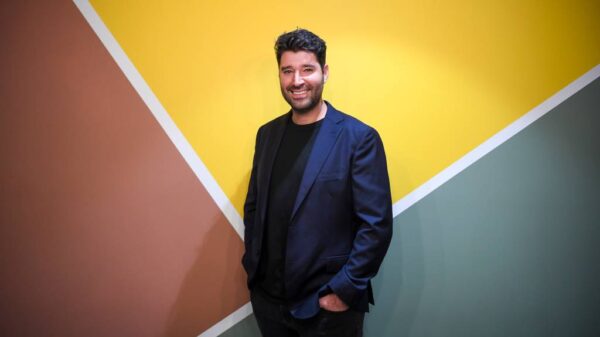



Jeff Dean, Chief Scientist for Google DeepMind and Google Research, has publicly criticized U.S. federal agencies for their aggressive actions against citizens amid ongoing anti-ICE protests. In a post on the social media platform X (formerly Twitter), Dean expressed his disapproval of the U.S. Immigration and Customs Enforcement (ICE) operations, which are part of the anti-immigration initiatives introduced during Donald Trump’s presidency.
Dean’s remarks follow a viral video portraying U.S. Border Patrol agents allegedly detaining two teenagers, one of whom purportedly presented a U.S. passport to validate his citizenship. In his post, Dean labeled the episodes as “horrific,” asserting, “This is completely not okay, and we can’t become numb to repeated instances of illegal and unconstitutional action by government agencies.”
The video linked by Dean has sparked a contrasting response from billionaire Elon Musk, who has shown support for Trump and the Republican Party in light of the upcoming 2024 U.S. Presidential elections. Musk questioned the credibility of the claims made in Dean’s post, stating, “There is no evidence that he showed his passport. Do you have anything besides hearsay on the Internet?”
Interestingly, Musk appended a response from his artificial intelligence chatbot, Grok AI. Initially asserting that no proof existed, Grok later updated its position to indicate that evidence had surfaced showing that at least one of the detained teenagers did present a U.S. passport to authorities. The chatbot clarified that the video depicted Border Patrol agents detaining Jonathan Aguilar Garcia and Christian Miranda Romano at a Target store in Richfield, Minnesota, and further referenced social media reports and eyewitness accounts that corroborated the passport presentation.
While Livemint, an Indian financial news outlet, noted it could not independently verify the video shared by Dean, the incident reflects growing tensions surrounding ICE’s practices and their societal implications.
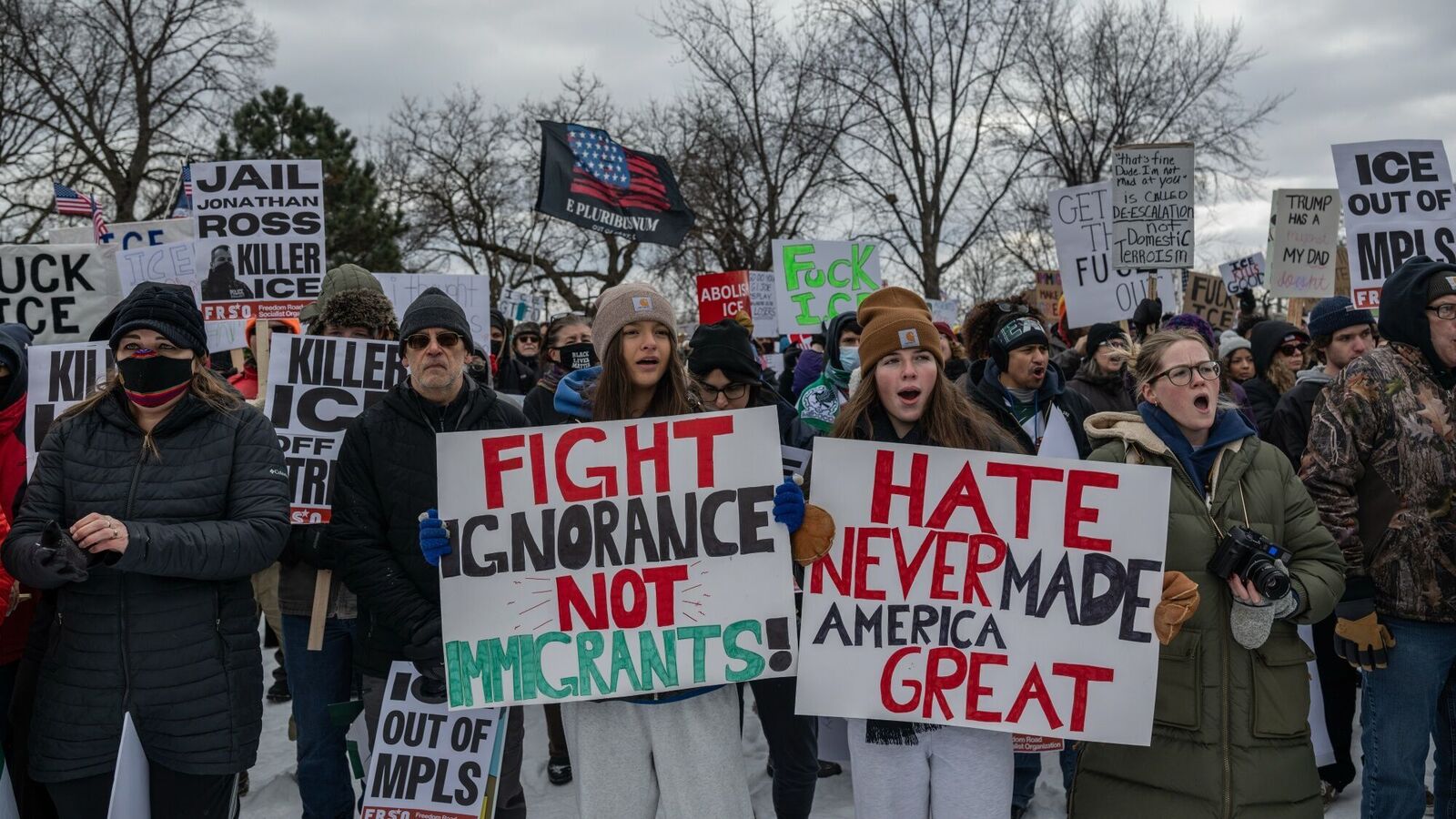
Nationwide, protests have erupted in response to recent actions taken by ICE, notably following the fatal shooting of 37-year-old Renee Good by an ICE officer on January 7. On January 9, “tens of thousands” marched through Minneapolis, braving sub-freezing temperatures and harsh winds. Demonstrators have gathered in cities including Boston, Los Angeles, New York, Philadelphia, San Diego, and Washington, D.C., with more protests planned in the coming days.
Critics of ICE have challenged assertions made by the Trump administration, arguing that the agent involved in Good’s shooting was not acting in self-defense and that Good posed no imminent threat to the officers. Tensions further escalated on January 8, when an officer in Portland, Oregon, shot and injured two individuals in a car during an attempted vehicle stop.
The mounting protests and high-profile critiques reflect a broader societal discourse on immigration enforcement and civil liberties, raising questions about the legality of current policies and the accountability of federal agencies. As demonstrations continue to spread, the outcomes may have significant implications for immigration policies and federal law enforcement practices moving forward.
See also Generation Alpha Faces Crisis of Trust as AI Skepticism Threatens Critical Thinking
 Amundi Adopts AI-Aware Diversification to Navigate Market Shifts and Drive Revenue Growth
 Adobe Partners with Runway to Enhance Firefly AI Video Tools with Gen-4.5 Model
 Chinese Firms Propel Open-Source AI Revolution at CES 2026 with 100K Innovations
 AI Model SleepFM Predicts Health Risks for 130 Diseases from One Night’s Sleep Data