













































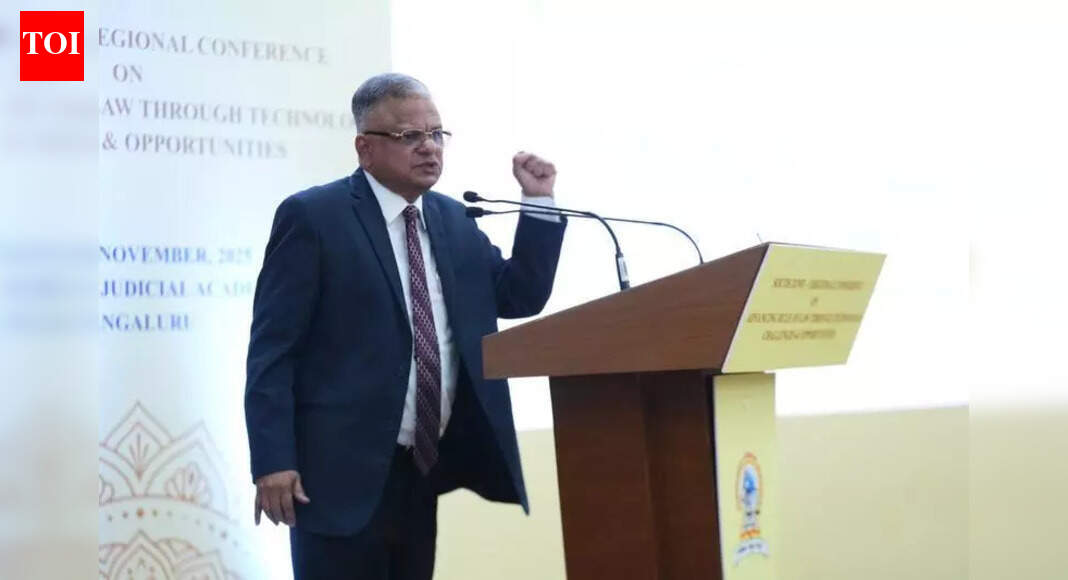
Bengaluru: Judges at the South Zone Regional Judicial Conference expressed significant concerns on Saturday regarding the over-reliance on Artificial Intelligence (AI) in courtrooms, particularly in light of several incidents involving “hallucinated” citations and fabricated judgments. While the judiciary acknowledged AI’s role as a research tool, they emphasized that it cannot substitute for human judgment or constitutional principles in legal decision-making.
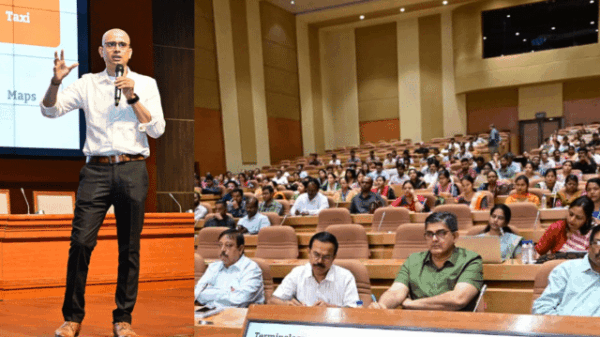
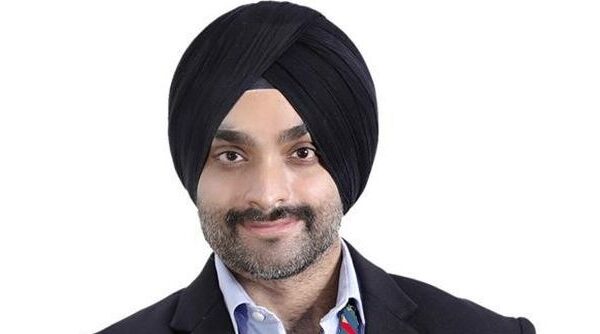
During a session titled “Bridging the digital divide: The role of e-services,” Justice M Sundar, Chief Justice of the Manipur High Court, articulated that the digital divide within the judiciary encompasses more than mere economic disparities or levels of computer literacy. He identified three primary categories: digital natives and immigrants, individuals with varying levels of access to devices and connectivity, and those with differing degrees of technological skills. A newly emerging digital divide, he noted, centers specifically on perceptions of AI, dividing opinions between those who view it as a beneficial tool for judges and those who worry it might compromise independent judicial thought.
Justice Sundar cautioned that AI outputs should be “considered, not relied upon,” highlighting instances where lawyers presented AI-generated materials in court, including a case involving a fabricated Supreme Court judgment. This type of occurrence, referred to as “hallucination,” led to the dismissal of the document and prompted further administrative actions. He pointed out that while AI can assist in research, it lacks the emotional intelligence necessary for nuanced legal analysis, stating, “AI tunes itself as per the prompt you give; it doesn’t have emotions like us to analyze the situation completely in legal cases.”
The concerns raised about AI’s role in judicial decision-making are underscored by specific examples that have already caused disruptions in the court system. Justice Sundar elaborated on the troubling trend of AI-generated citations, which can mislead legal professionals and affect outcomes in court. He emphasized that AI lacks true cognition, merely recognizing patterns through data and algorithms, thereby necessitating a cautious approach when integrating these technologies into judicial processes.
Furthermore, Justice Sundar stressed the necessity of bridging the digital divide through practical initiatives, such as expanding e-service centers in remote areas to improve access to justice. He articulated a vision for “cyborg judges,” combining human reasoning with AI’s computational strengths. This collaborative approach aims to harness the capabilities of AI while preserving the independence and integrity of human judicial reasoning.
Reflecting on potential reforms, Justice Sundar concluded that the judiciary is not aiming for “robot judges,” but rather for a blend of human and machine intelligence that can enhance the judicial process. “AI can assist but cannot replace judicial decision-making. To bridge the digital divide, technology must reach litigants directly,” he affirmed.
The dialogue at the conference underscores an ongoing debate about the implications of AI in legal systems worldwide, as jurisdictions grapple with the balance between technological innovation and upholding fundamental legal principles. As courts increasingly encounter AI’s capabilities and limitations, the emphasis on maintaining a human touch in judicial proceedings remains paramount.
For further exploration into AI’s influence on legal practices, refer to resources from OpenAI and IBM, both of which are leading discussions on the ethical deployment of artificial intelligence across various sectors.
See also Google Stock Soars as Meta Eyes TPUs, Signaling Major Shift in AI Hardware Landscape
 Over 1,000 Amazon Staff Warn AI Push Threatens Jobs, Democracy, and the Environment
 Global Education Leaders to Tackle Learning Crisis at World Schools Summit in Abu Dhabi
 Moonshot AI and MiniMax Surpass OpenAI Models, Paving China’s Path to AI Leadership
 Goldman Sachs and JPMorgan Reject AI Bubble Fears, Predict Sustainable Returns and Innovation