






















































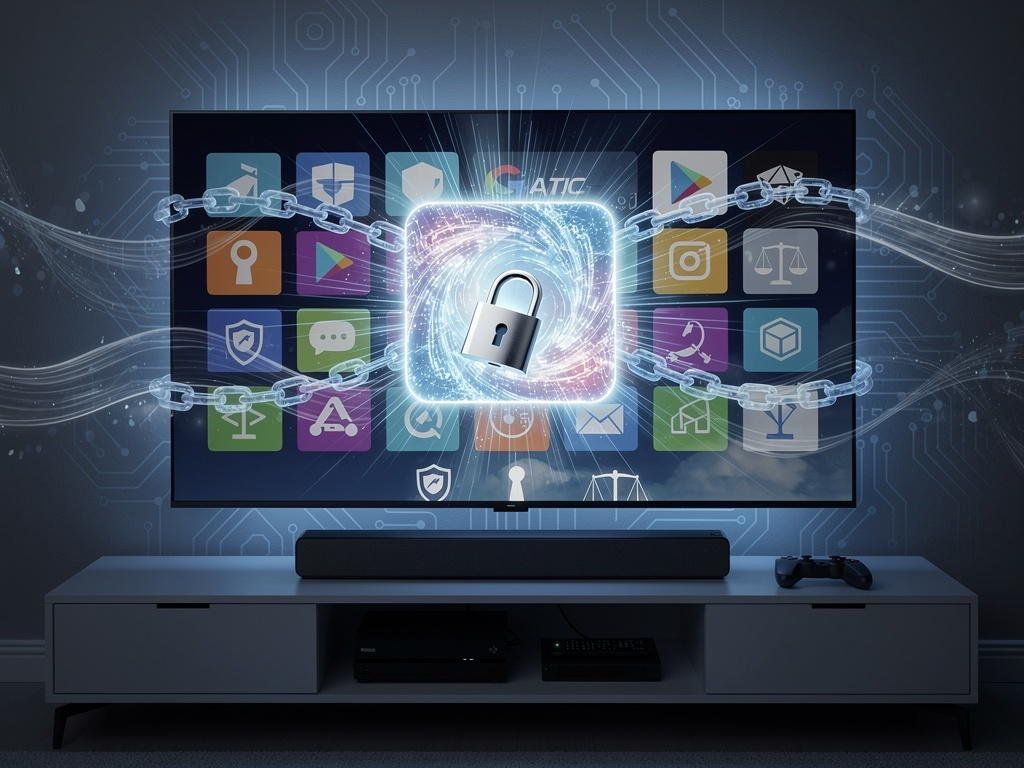
In a surprising move, LG Electronics has installed Microsoft’s Copilot AI assistant directly onto the home screens of its smart TVs running the webOS platform, prompting backlash from users. Many LG TV owners reported this unexpected update, which appeared without prior notification or consent, igniting concerns about privacy and unwanted software additions.
This update seems to affect a variety of LG TV models, with the Copilot app prominently pinned on the interface. Users took to social media platforms, including Reddit, to voice their frustration. One user, identified as u/defjam16, expressed outrage over the uninvited addition, raising alarms about the app’s potential access to microphones and other device services. This incident underscores a broader trend of manufacturers integrating AI into home devices, which often raises questions about user autonomy and control.
Microsoft’s Copilot, which has already become a fixture in Windows environments, is billed as a tool designed to enhance user experience through content recommendations, voice queries, and smart home controls. However, the forced installation of the app on LG TVs has sparked debates about whether such innovations constitute intrusive bloatware, particularly when users are left without an opt-out option.
User dissatisfaction has spread through various tech forums and social media, with many expressing their annoyance at having an unremovable app cluttering their interfaces. These sentiments reflect a growing unease about AI tools and their handling of personal data. Critics worry that the Copilot app’s connections to voice recognition and viewing habits could lead to unintended data collection.
LG’s partnership with Microsoft is not new; the two companies have collaborated on various initiatives, including AI features for home appliances. This latest integration appears to be a continuation of that relationship, aimed at creating a seamless ecosystem where Copilot can interact across devices. However, the execution has drawn comparisons to previous controversies involving unwanted ads or applications forced upon users through updates.
The rollout of this update has been described as quiet, leaving users surprised to find the AI app pinned to their home screens. This aligns with tactics seen in the PC market, where Microsoft has aggressively promoted Copilot. While LG’s webOS has been praised for its user-friendly interface, this incident highlights the limitations of consumer control over device software long after purchase. Unlike smartphones, which often allow for more customization, smart TVs offer limited options for modification, exacerbating frustrations when users face forced changes.
Microsoft positions Copilot as a versatile tool that boosts productivity and entertainment, claiming it can summarize shows, recommend content based on viewing history, and integrate with smart home devices. However, the backlash primarily stems from the inability to delete the app, which has led many users to feel like participants in a larger AI experiment.
This incident is not isolated; it follows a pattern of user resistance against forced updates in smart devices. For instance, LG faced criticism in 2024 for introducing advertisements on screensavers, an action that TechRadar previously reported as part of a trend toward monetizing user interfaces. The installation of Copilot seems to blend advertising with AI data collection, which many users find concerning.
As the outcry continues, some tech-savvy users are exploring ways to mitigate the issue. Reports indicate that some have found success in hiding the app through menu customizations, though complete removal remains challenging without voiding warranties. Discussions on forums regarding firmware downgrades suggest a DIY approach, although these methods carry risks.
LG has yet to issue a comprehensive response to the concerns, though initial statements indicated that the partnership aimed to enhance AI capabilities. Microsoft continues to promote Copilot as a beneficial tool, framing it as empowering. However, the viral Reddit thread that sparked the controversy has led to calls for official clarification regarding data usage and options for app removal.
Looking forward, this incident may prompt LG to reconsider its update policies. Industry analysts speculate that future patches could provide toggles for such features in response to user feedback. This partnership symbolizes a larger trend in the tech industry, where AI is increasingly embedded in consumer devices, raising questions about ethical implementation and user autonomy.
Regulatory scrutiny surrounding this controversy is also expected to increase. In the U.S., discussions related to data privacy laws may gain traction, paralleling ongoing debates about tech giants’ practices. In Europe, stricter GDPR regulations could offer users more recourse if data collection is deemed non-compliant.
The LG Copilot saga serves as a case study in the balance between innovation and user autonomy. As AI continues to integrate into everyday devices, manufacturers must navigate the delicate line between offering helpful features and infringing on user rights. While the potential for AI to transform consumer electronics is vast, addressing current grievances will be essential for future acceptance.
The urgency for user consent and feedback is clear, as the LG Copilot controversy could lead to significant shifts in how AI is deployed across the consumer electronics landscape. With an increasing emphasis on interconnected home systems, both LG and Microsoft will need to evolve their approaches to align with growing consumer expectations.
See also Lunit and Daiichi Sankyo Partner to Accelerate AI-Driven Cancer Biomarker Discovery
 Nvidia Surges 0.70% as Strong H200 Demand from China Boosts AI Outlook
 TIL Limited Unveils Three Indigenous Products at EXCON 2025, Enhancing India’s Infrastructure Solutions
 Microsoft AI CEO Mustafa Suleyman Calls Elon Musk a ‘Bulldozer’ with ‘Superhuman Capabilities’
 AI Bubble Insights: Housing Market Booms in SF Amid Industry Risks and GPU-TPU Shift