Logitech CEO Hanneke Faber has expressed skepticism about the rush to develop standalone AI hardware, emphasizing the lack of clear market demand for such devices. In an interview with Bloomberg, marking her second anniversary in the role, Faber reflected on the challenges faced by recent AI gadget launches, such as the Humane AI Pin and Rabbit R1, which have struggled to replace smartphone capabilities due to performance issues and subscription pricing models. As Logitech pivots to expand its AI features within traditional products, Faber’s comments underscore a cautious approach to the evolving technology landscape.
Faber noted that many of the AI-first devices released recently have not demonstrated a unique value proposition that could not be fulfilled by existing smartphones or PCs. This perspective aligns with a growing sentiment in the industry, as multifunction devices increasingly integrate advanced AI functionalities. She remarked that the perception around the necessity of dedicated AI assistants has been shaped by these early attempts, which have fallen short of expectations.
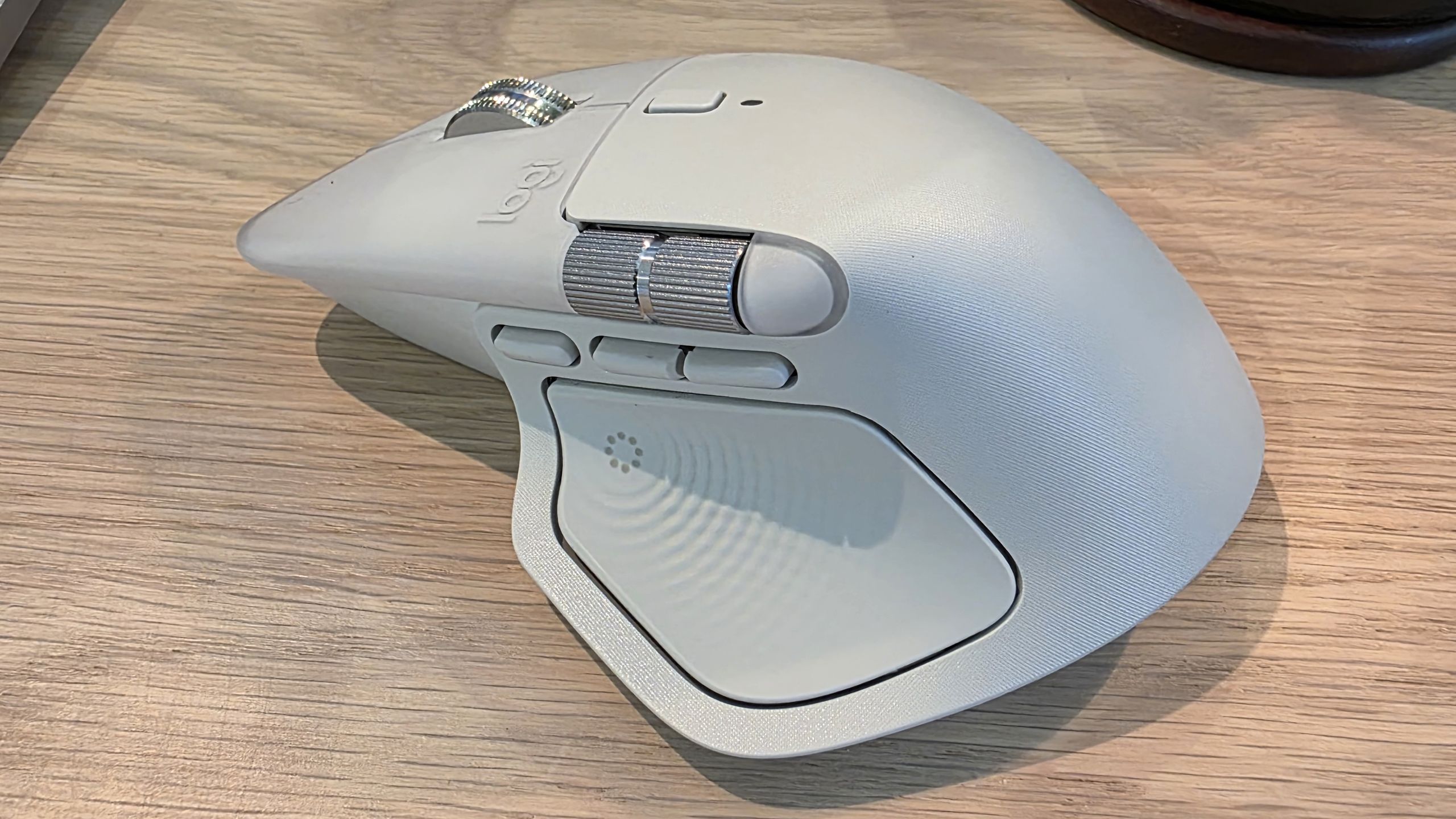
Instead of venturing into a new category of hardware, Logitech is enhancing its established product lines with AI capabilities. For instance, its webcams are now equipped with subject-aware framing and noise filtering, while the recently announced MX Master 4 mouse incorporates shortcuts that interface directly with ChatGPT and Microsoft Copilot. Faber emphasized that any new features must add value to existing workflows, reflecting a strategic approach to product development.
The interview also highlighted supply chain stability and pricing strategies at Logitech. Earlier this year, the company raised prices due to tariff changes but now anticipates no further increases, given the stabilization of its supply chains in China and five additional countries. This diversification has helped the company restore consistency across its 13 product categories, many of which are returning to pre-pandemic sales volumes. Notably, growth in the Chinese market has been robust, supported by a product strategy tailored to local preferences, addressing previous market share losses.
Faber’s insights come amidst broader industry exploration into hardware innovation. Notably, OpenAI‘s acquisition of a startup co-founded by Jony Ive has sparked speculation about a potential consumer device based on generative AI models. However, the success of such devices remains uncertain, particularly given the pitfalls encountered by earlier ventures. Faber’s assessment highlights the challenges in creating demand for standalone AI assistants when existing multifunction devices are capable of performing similar tasks.
As the technology landscape continues to evolve, Logitech‘s strategy of integrating AI features into existing products may reflect a more sustainable path forward in a crowded market. The focus on enhancing established categories rather than chasing the latest hardware trends may help the company maintain its competitive edge and respond effectively to consumer needs.
See also Anthropic’s Dario Amodei Positions Claude as Safer AI Alternative to OpenAI’s ChatGPT
 NVIDIA’s GB200 NVL72 Boosts Kimi K2 Thinking by 10x, Revolutionizing AI Efficiency
 FDA Embraces Agentic AI for Safety Reviews Amid Ongoing Concerns Over Errors and Hallucinations
 ChatGPT Predicts Nvidia Stock Price Will Hit $180.75 by Month-End, Analysts Bullish on 2025
 Master Humanity Amid Rising AI: Essential Tools from ‘AI and the Art of Being Human’