










































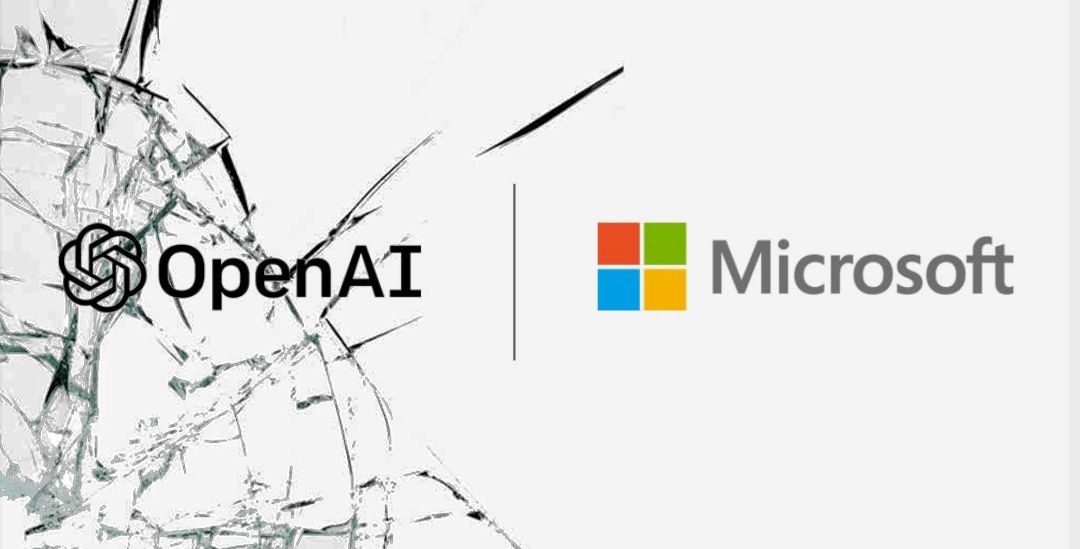
In a significant shift for its artificial intelligence strategy, Microsoft appears poised to sever its ties with OpenAI, the company that has powered its AI offerings, including ChatGPT and DALLE 3. Microsoft has experienced robust growth in its enterprise AI solutions, such as Microsoft 365 Copilot and GitHub Copilot, despite facing challenges with its consumer-level initiatives.
Microsoft’s relationship with OpenAI has long been characterized by speculation and tension. An early investor, Microsoft secured lucrative contracts, including certain exclusive rights to OpenAI’s models. Currently, Microsoft maintains a 27% stake in OpenAI’s for-profit arm and holds intellectual property rights for OpenAI’s models until 2032. However, a pivotal restructuring of their partnership last October allowed OpenAI to seek cloud computing resources from rival firms, reducing Microsoft’s exposure to the escalating financial risks associated with OpenAI’s operations.
OpenAI is reportedly burdened by more than a trillion dollars in future computing contracts, and its financial viability has increasingly relied on investments from major players like Microsoft, Amazon, and Softbank. Despite the backing, OpenAI has yet to generate revenue, necessitating ongoing cash inflows to sustain its activities. The company, led by CEO Sam Altman, has also faced various controversies, including lawsuits from the New York Times and Elon Musk’s xAI, heightening scrutiny of its business practices.
Recent comments from Microsoft AI chief Mustafa Suleyman, reported by the Financial Times, indicate that the tech giant is actively preparing to develop its own foundation models, which he claims will be at the “absolute frontier” of AI technology. Suleyman emphasized the necessity for Microsoft to harness “gigawatt-scale compute” and assemble elite AI training teams, suggesting a potential pivot that could undermine OpenAI’s future viability.
Microsoft has already begun investing in OpenAI’s competitors, such as Anthropic, and plans to roll out its proprietary AI models in 2026. This move not only positions Microsoft as a direct competitor to OpenAI but also reflects a broader trend within the tech industry as companies grapple with the implications of an AI-driven future. This development arrives amid reports that NVIDIA has dismissed speculation of a substantial investment in OpenAI, further complicating the landscape for Altman’s firm.
In a broader context, Suleyman expressed optimism regarding the transformative potential of AI, framing it as a tool designed to enhance human well-being. However, he also suggested that automation could drastically reshape the workforce, predicting that “all white-collar work will be automated within two years.” Microsoft has underscored its commitment to leveraging AI to improve healthcare through the pursuit of “medical super-intelligence,” with ambitions for AI tools to become increasingly autonomous.
Despite the escalating use of AI technology, public sentiment remains largely skeptical. Many individuals engage with AI solutions, yet few are willing to invest in them financially. Microsoft has faced backlash over perceived missteps in its AI integrations within Windows 11, prompting a decline in its stock value amid fears that substantial capital expenditures on AI infrastructure may not yield proportional returns.
Concerns regarding the societal impact of AI technologies continue to mount. While apprehensions about economic disruption and mass job losses proliferate, major AI firms have not slowed their pace of development. In fact, companies like OpenAI and Anthropic have witnessed a wave of departures from researchers and staff members issuing stark warnings about the technologies they help create. Suleyman’s assertions of responsible AI development come amid these turbulent discussions, with critics often questioning the feasibility of ensuring that such technologies remain subordinate to human control.
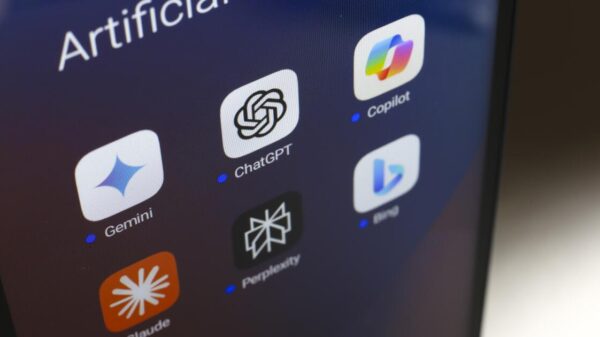
As Microsoft forges ahead with its plans to develop independent AI models, the tech community is left to ponder whether these new advancements will rival established competitors like ChatGPT and Google’s Gemini. The unfolding dynamics between Microsoft, OpenAI, and emerging rivals highlight an industry in rapid evolution, raising crucial questions about the future of artificial intelligence and its role in society.
See also Nvidia DGX Spark Update Cuts Idle Power by 32%, Boosts AI Workstation Efficiency
 Fashion Industry Leverages AI to Slash Costs and Boost Productivity by 2026
 SAP and Cohere Launch Sovereign AI Solutions in Canada for Secure Data Management
 Hollywood Stars Unite Against AI: Johansson, Blanchett, Cage, Jackson, Lyonne Fight for Creative Rights
 AI Revolutionizes Real Estate Consulting: Bob Staedler’s Data-Driven Approach Redefines Strategy