The upcoming seasons of HBO’s “The Comeback” and Hulu’s “Paradise” are set to explore the impact of artificial intelligence (AI) on the entertainment industry. In “The Comeback,” Lisa Kudrow’s character, Valerie Cherish, returns to find television largely scripted by AI, sparking a blend of humor and concern about the potential replacement of human writers.
This season presents a cringe-comedy narrative that questions whether to laugh at the automation of creativity or to fear the implications of such advancements. As Kudrow and executive producer Michael Patrick King navigate this terrain, they highlight a significant truth: AI is already capable of performing an array of creative tasks. The storyline unfolds as characters grapple with the existential threat posed by machines, evident in a poignant rant from Abbi Jacobson’s showrunner character, who laments the uncertain future for writers and their families.
The ambiguity surrounding AI’s role in the industry serves as a metaphor for the broader entertainment landscape, which feels poised on the brink of transformation. The industry stands at a crossroads, facing either an impending collapse or a necessary rebirth. Various stakeholders, from filmmakers like Guillermo del Toro to Pamela Anderson, are engaged in discussions about AI’s implications, revealing a fracture within creative circles regarding the technology’s potential benefits and drawbacks.
Dan Fogelman’s “Paradise” takes a similar approach, with its finale questioning whether AI will serve as a savior or a destroyer. The characters are uncertain, and Fogelman implies that the writing team refuses to offer false reassurances. This ongoing struggle reflects a deeper cultural clash, with conflicting views on whether to embrace technological integration or cling to traditional methods. Volkswagen’s Super Bowl advertisement, promoting human connection, contrasts sharply with OpenAI’s campaign showcasing the utility of ChatGPT in automotive restoration, symbolizing the contest between human-centric and AI-driven narratives.
This dichotomy shapes the debate surrounding AI in creative fields, influencing contract negotiations and the responses of guilds. While some creatives advocate for the preservation of human artistry, others embrace the efficiency offered by AI technologies. As writer Jenny Slate articulated, many fear losing their roles as machines encroach on traditional creative jobs. Despite the technological hype, the tangible impact of AI remains limited, with writers’ rooms and production environments still primarily reliant on human input.
Recent developments, including Sam Altman and OpenAI’s withdrawal from Hollywood following the cancellation of their Disney collaboration, emphasize the uncertainty that envelops the industry. Writers expressed relief at this retreat from what they viewed as a monopolistic endeavor to dominate creative spaces. However, the underlying tension persists, as many industry professionals utilize AI tools like ChatGPT in their work, complicating the narrative.
The current moment is paradoxical. The creative community, historically critical of corporate influences, now finds itself defending an industry that has long prioritized algorithmic decision-making over artistic integrity. Critics argue that the encroachment of AI represents a culmination of the broader technocapitalist threat, prompting initiatives like Justine Bateman’s No AI Film Festival, which celebrate human creativity. Yet, others contend that AI could democratize filmmaking, reducing barriers to entry and allowing for a proliferation of diverse voices.
Proponents argue that AI might rejuvenate the industry by facilitating easier production, allowing for a greater volume of creative output. Conversely, opponents fear that this could lead to an oversaturation of content without discernible quality, diluting the value of artistic work. As the debate unfolds, the tension between fostering creativity and ensuring quality remains unresolved, with each side presenting compelling arguments.
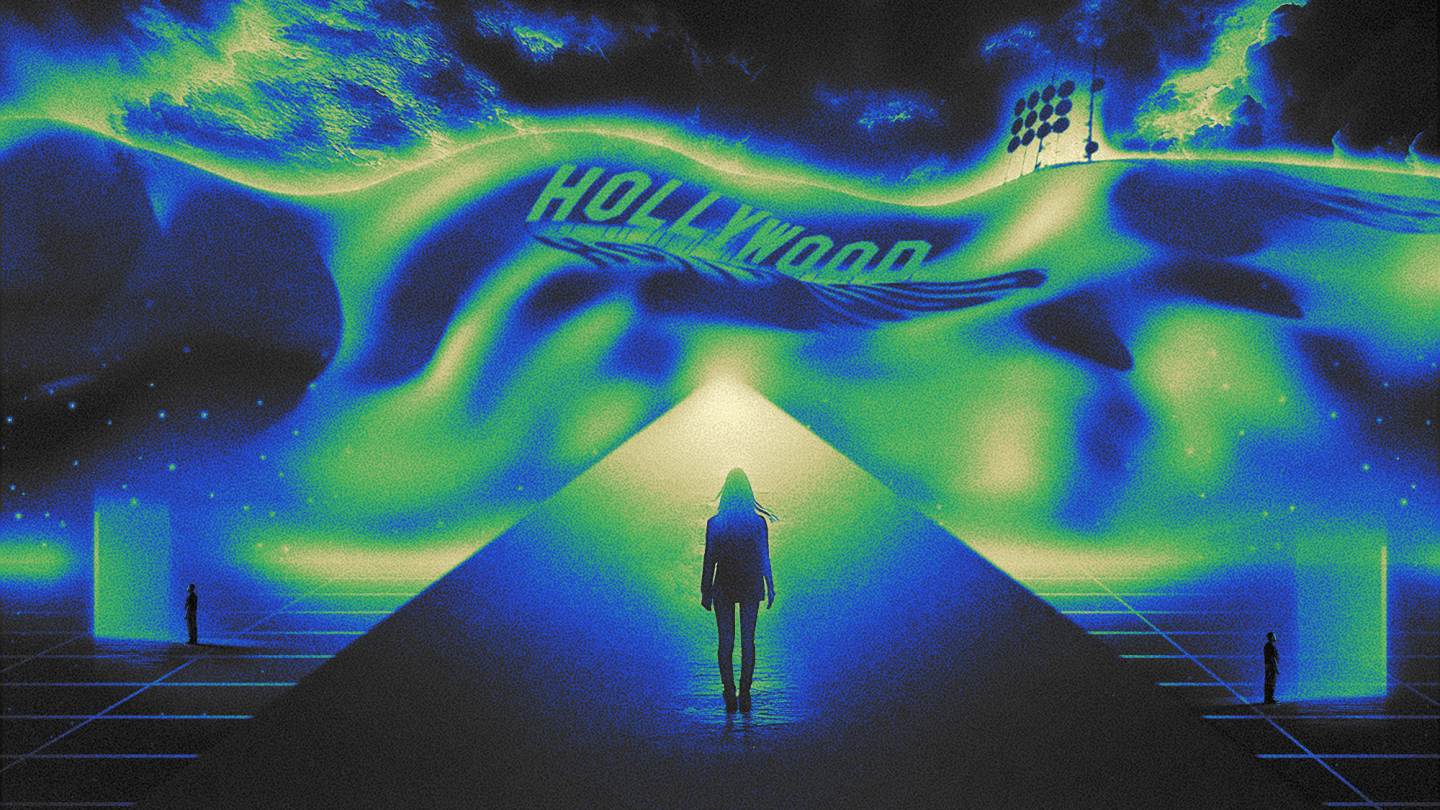
Ultimately, the discourse surrounding AI reflects deeper societal questions about the role of human agency in creative endeavors. As the industry grapples with these challenges, the irony remains that a revolution predicated on predictive technology continues to struggle with an uncertain future. The outcome of this ongoing confrontation may redefine the landscape of entertainment, shaping the roles of creators and machines for years to come.
This story will feature prominently in The Hollywood Reporter’s upcoming AI Issue, set to be released in April.
See also Philadelphia Courts Ban Smart Eyeglasses to Enhance Privacy and Courtroom Security
 Panasonic Energy Enhances Data Center Solutions with In-House Battery Technology
 Alphabet Outpaces Amazon with 48% Cloud Growth Amidst 2026 Tech Stock Slump
 Memory-Makers’ Shares Plummet Up to 20% Amid AI Demand and Google’s TurboQuant Reveal
 Anthropic’s Claude Delivers Complete Software Projects for $200, Achieves 10-Round Revisions