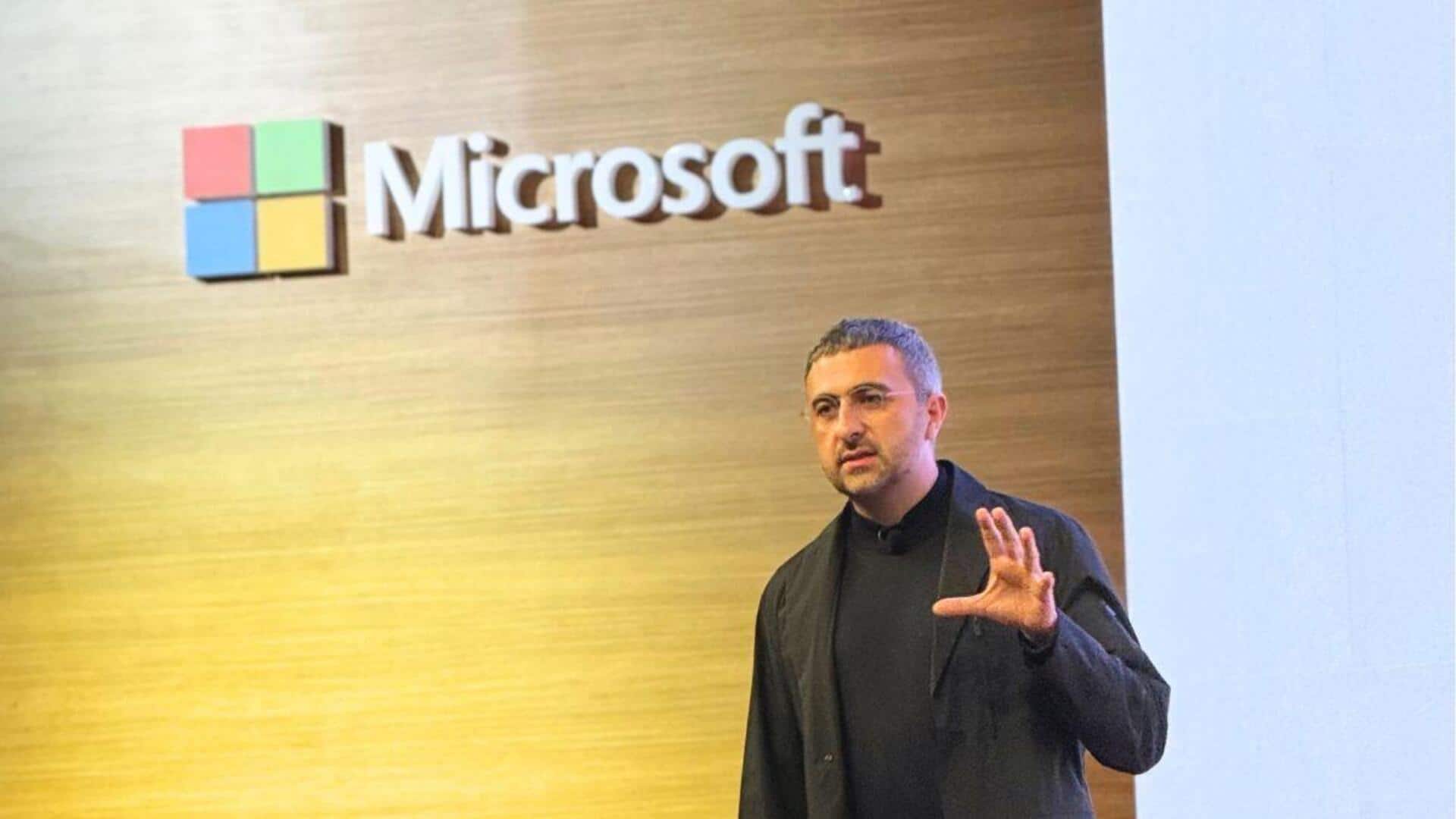
Mustafa Suleyman, head of Microsoft’s AI division, recently offered candid insights into influential figures within the tech industry during an interview with Bloomberg. He characterized Elon Musk as a “bulldozer” while lauding OpenAI CEO Sam Altman for his bravery in navigating the evolving landscape of artificial intelligence. The discussion arose amid ongoing debates about the necessity for government regulation in AI, as well as Suleyman’s reflections on his former colleague at DeepMind, Demis Hassabis.
When prompted to summarize Musk’s persona, Suleyman’s choice of the term “bulldozer” reflected his admiration for Musk’s ability to “bend reality to his will.” He noted Musk’s impressive track record across multiple industries, from electric vehicles to space exploration. Suleyman further appreciated Musk’s forthrightness, highlighting the value of his unfiltered honesty in an era where such candor is increasingly rare among industry leaders.
In addition to his remarks on Musk, Suleyman emphasized the critical need for government regulation in the AI sector. He articulated a belief that government oversight is essential for fostering responsible development and deployment of AI technologies. “I believe that government plays an important role in society,” he asserted, a sentiment that stands in contrast to the prevailing ethos in Silicon Valley, where many view regulation as a hindrance. Suleyman’s stance underscores a growing recognition within the tech community of the potential risks associated with unregulated AI advancements.
Praising Altman, Suleyman described the OpenAI CEO as “courageous,” particularly in light of Altman’s aggressive expansion of his data center fleet. Suleyman remarked on Altman’s rapid development pace, suggesting that if successful, it could mark a transformative moment within the industry. “I think now he’s building data centers at a faster rate than I think anyone in the industry. And if he can pull it off, it will be pretty dramatic,” he stated, indicating a belief that Altman may emerge as one of the foremost entrepreneurs of this generation.
The conversation also touched on Suleyman’s ongoing relationship with his former DeepMind co-founder, Demis Hassabis. Suleyman congratulated Hassabis on the recent launch of Gemini 3 and Nano Banana Pro models, underscoring the continued collaboration and camaraderie they share. When asked to define Hassabis, Suleyman described him as “probably a great scientist” and “a good polymath,” reflecting the deep respect and friendship that has endured over a decade of working together.
This exchange of views highlights the complexities facing the tech industry as it grapples with the implications of rapid advancements in AI. As figures like Suleyman advocate for a blend of innovation and responsibility, the need for regulatory frameworks will likely shape the future landscape of AI. The ongoing dialogue among leaders in this field could pave the way for a more structured approach to harnessing the potential of AI while minimizing its risks, a balancing act that is essential for the responsible evolution of the technology.
See also Vanguard Projects AI Boom to Boost US Economy, But Cautions on Stock Returns
 AI Spending Surges to $350B, Fueling US Economic Growth Amid Rising Energy Costs
 European AI Startups Embrace Forward Deployed Engineers to Secure Top Talent Amid Competition
 Lunit and Daiichi Sankyo Join Forces to Accelerate AI-Driven Biomarker Discovery in Oncology
 2025 AI Rollouts: Companies Thrive by Tackling Real Problems, Not Technology Hype