
















































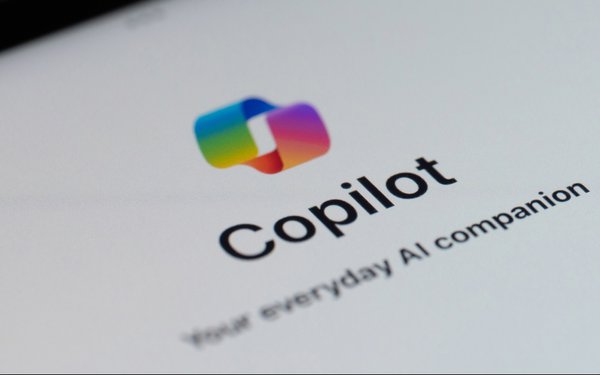
Microsoft unveiled the “Publisher Content Marketplace” (PCM) on Tuesday, a new framework designed to enable publishers to license their content to artificial intelligence engines, creating a potential new revenue stream. This initiative comes as part of Microsoft’s broader strategy to support the evolving landscape of content distribution in an AI-driven environment.
Early adopters of the PCM include major U.S. publishers such as Business Insider, Condé Nast, Hearst Magazines, People, The Associated Press, USA Today, and Vox Media. These organizations participated in the co-design process of the PCM, providing valuable feedback that has informed licensing, pricing, governance, analytics, and onboarding capabilities. Microsoft tested the framework with its AI assistant technology, Microsoft Copilot, and indicated that it can be utilized with other chatbot technologies as well.
At the IAB ALM conference in Palm Springs, California, Richy Glassberg, co-founder of Safeguard Privacy, mentioned that the Interactive Advertising Bureau (IAB) has been supporting projects like PCM for several months. In an era where the AI-first model is becoming predominant, the traditional implicit value exchange between publishers and distribution channels is shifting. Publishers must adapt to a landscape where authoritative content is often behind paywalls or in proprietary archives.
The PCM aims to create sustainable and transparent methods for publishers to govern the use of their premium content, ensuring they are compensated fairly. Under this framework, publishers will receive payments based on the value of their content, alongside customizable licensing and usage terms. AI developers and companies building AI engines will gain access to this licensed premium content, enhancing the quality of their products and services.
In addition, the PCM includes a reporting feature that allows publishers to track how their content has been utilized in AI-generated responses. This feedback loop enables publishers to identify areas where their content can provide increased value in the future. Given the reliance on trustworthy sources for accurate information, particularly in critical contexts like healthcare or finance, the quality of the responses generated by AI systems will hinge on the content they access.
Microsoft emphasizes that the PCM framework is designed to support publishers of all sizes, both regionally and internationally. A key aspect of the initiative is that publishers retain ownership of their content, which helps mitigate challenges associated with individual agreements between publishers and AI developers. This balance is crucial in a rapidly evolving digital landscape where content licensing and usage rights are becoming increasingly complex.
As the AI web continues to expand, the need for a coherent framework to navigate the intersection of content and technology becomes more pressing. The Publisher Content Marketplace represents a significant step forward in addressing these challenges, offering a structured approach for publishers to monetize their content while ensuring that AI technologies have access to the high-quality information necessary for accurate and reliable outputs.
See also UW System Launches AI Governance Policies Amid Rapid Major Expansion and Job Market Disruption
 SoundHound Poised for 2026 Breakthrough as AI Voice Solutions Transform Customer Service
 EA Partners with Stability AI to Enhance Game Development with Custom Generative AI Tools
 Amplifire’s AI Authoring Platform Wins Two Brandon Hall Awards, Slashes Course Development Time by 87%
 Altman Envisions OpenAI Investing in AI-Driven Scientific Breakthroughs, Shifting Revenue Models