




























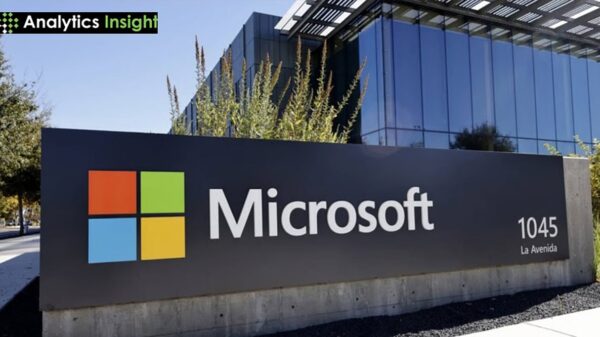






The Streisand effect is in full swing as Microsoft CEO Satya Nadella‘s comments on artificial intelligence have sparked widespread backlash online. Recently, Nadella shared his vision for AI through 2026, highlighting Microsoft’s deep commitment to the technology, particularly its integration of OpenAI’s ChatGPT into numerous products, including the Copilot application across its software suite. This aggressive rollout has not only captivated attention but has also ignited criticism, which Nadella’s latest remarks have only intensified.
In his note, Nadella expressed hope that society could “move on” from discussions surrounding the “slop” associated with AI, underscoring the necessity for the technology to transcend mere spectacle to achieve greater acceptance. However, the prevailing sentiment among the public suggests otherwise, as the current discourse surrounding AI largely revolves around issues of misinformation, inappropriate content, and potential abuses. High-profile incidents, including an ongoing investigation into xAI’s Grok for allowing sexualized AI images of children and a lawsuit against OpenAI related to a tragic murder-suicide, underscore growing concerns about the ramifications of AI technologies.
Despite Nadella’s ambitions for AI, social media reactions reflect a stark disconnect between corporate aspirations and consumer sentiment. The term “Microslop,” a play on Microsoft’s name, trended across various platforms shortly after Nadella’s comments, highlighting the public’s frustration. Users on platforms like X (formerly Twitter) expressed their discontent, with one user declaring, “I will hereby be referring to Microsoft as MicroSlop for the rest of 2026.”
The backlash against Microsoft is emblematic of broader anxieties surrounding AI’s increasing presence in society. Critics have taken to social media to voice their disapproval of both Nadella’s vision and the technology itself, revealing a significant gap between what tech companies envision and what consumers desire. The pervasive sentiment is that AI, rather than being a solution to societal issues, exacerbates existing problems. This has led to speculation that society is far from embracing the technology as Nadella hopes.
Proponents of AI, including OpenAI’s Sam Altman, have long touted its potential to revolutionize fields such as healthcare and space travel. However, many of these optimistic predictions remain unfulfilled. Instead, AI has begun to disrupt entry-level job markets, raising alarms about a potential wave of unemployment among youth and beyond. Economists have also warned that OpenAI’s financial commitments could lead to adverse economic consequences, creating a situation where taxpayers may have to bear the burden.
To add to the complexity, AI’s growing demand has been implicated in a shortage of DRAM, as the need for computational power rises. This has led to concerns about rising costs, which may ultimately alienate consumers from accessing basic technology. The narrative surrounding AI has increasingly shifted from one of promise and innovation to one of disruption and economic disparity, with Wall Street reaping most of the immediate benefits.
As public sentiment continues to sour, the implications of Nadella’s comments—and indeed the trajectory of AI development—pose urgent questions about the role of technology in society. The call for more responsible and ethical AI deployment has never been louder, and the backlash against leaders like Nadella is likely to persist as consumers demand a say in how these powerful tools are integrated into their lives.
Ultimately, the ongoing debate underscores a critical reckoning for Big Tech, as the gap between corporate aspirations and public acceptance widens. If companies like Microsoft wish to foster a more positive reception for AI, they may need to reconsider their approach and engage more meaningfully with the concerns of the individuals who will be most affected by these technologies.
See also Global Tech Titans to Convene at India AI Impact Summit 2026, Shaping AI Policy & Innovation
 2026: Robinhood, JPMorgan, and PayPal Unleash Game-Changing AI Innovations
 Google’s DeepMind Plans AI-Powered Smart Glasses with In-Lens Display for 2026 Launch
 Meta Acquires AI Startup Manus for $3B, Boosting Growth Amid Regulatory Challenges