




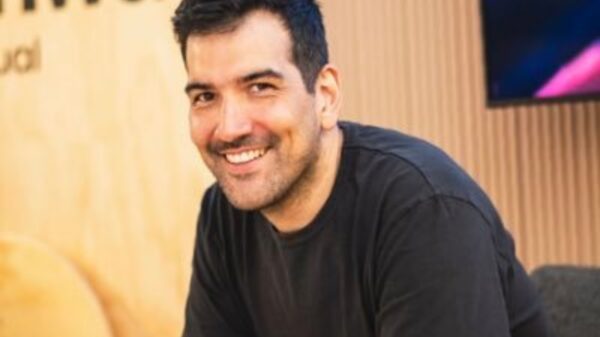


































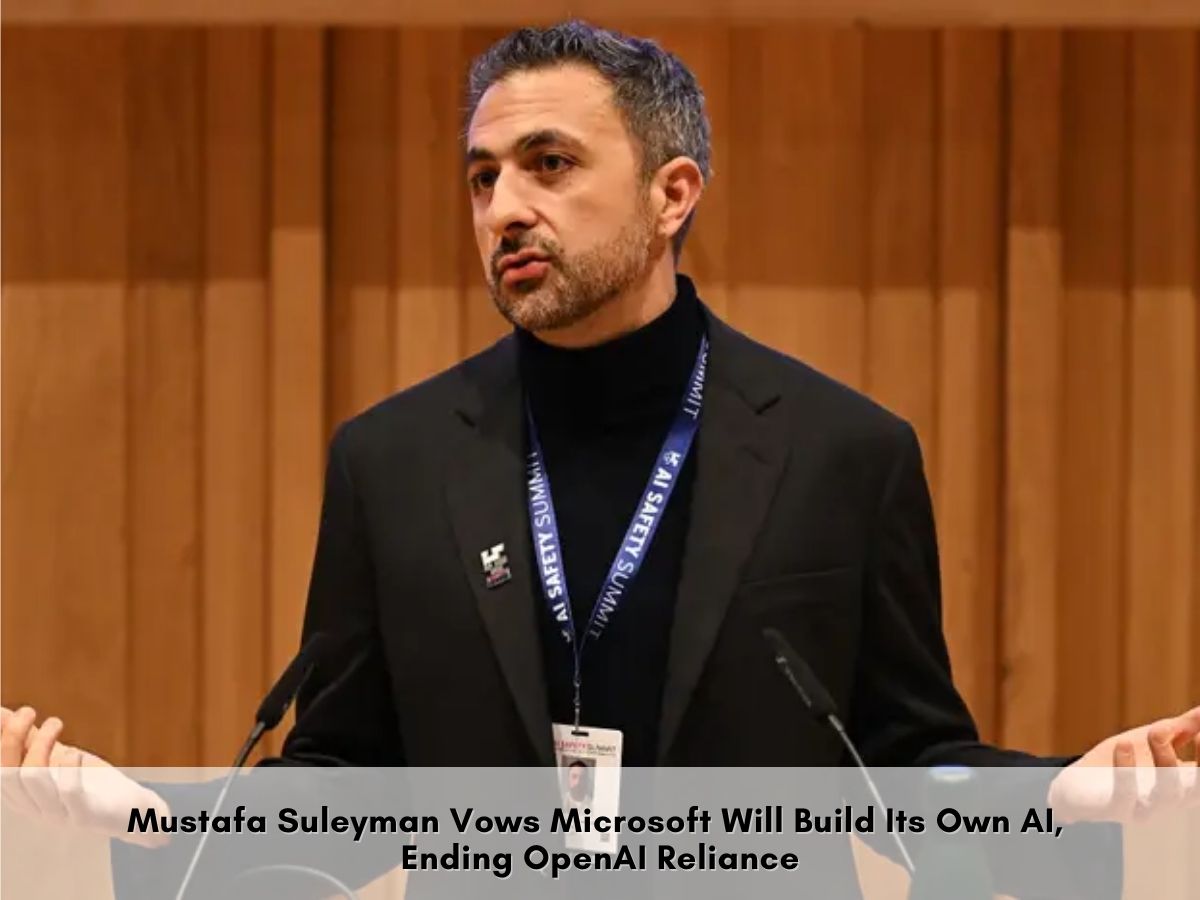
Microsoft’s ambitions in artificial intelligence are taking a decisive turn as Mustafa Suleyman, the company’s AI chief, has declared a vision for “true AI self-sufficiency.” This statement, made during an interview with the Financial Times, signals a significant shift towards developing proprietary advanced models and reducing reliance on OpenAI, a long-time partner. Suleyman, who co-founded Google DeepMind and joined Microsoft in March 2024, described creating in-house superintelligence as his personal mission.
At 41, Suleyman leads Microsoft AI, a division responsible for tools such as Copilot, Bing, and Edge, which was established in the same month he joined the company. His assertion that Microsoft must develop its own “frontier foundation models using gigawatt-scale computing” reflects a clear departure from its historic dependency on OpenAI’s technology for sophisticated AI solutions.
Suleyman’s credentials amplify the importance of his statements. He co-founded DeepMind in 2010, which Google acquired in 2014 for around £400 million. After leaving Google in 2022, he co-founded Inflection AI with Reid Hoffman before Microsoft acquired a significant portion of that team for $650 million.
“My personal mission at Microsoft is to build superintelligence,” Suleyman stated, emphasizing that the company now has “some of the very best AI training teams in the world” to achieve this goal. His remarks come in the wake of a restructured partnership with OpenAI finalized in October 2025, which transformed Microsoft’s profit-sharing into a 27% ownership stake in OpenAI Group PBC, valued at approximately $135 billion, while extending intellectual property rights to OpenAI models until 2032.
This realignment provided both companies with greater operational freedom. Microsoft secured the autonomy to pursue artificial general intelligence (AGI) independently or through third-party collaborations. Suleyman confirmed that Microsoft’s in-house models are set to launch “sometime this year,” building on the August 2025 preview of MAI-1-preview, which was trained on around 15,000 Nvidia H100 GPUs.
The urgency behind Microsoft’s push for independence from OpenAI is partly fueled by investor concerns. During a recent earnings call, Jefferies analyst Brent Thill noted that OpenAI accounts for 45% of Microsoft’s backlog of future sales, raising “durability” and “exposure” concerns. Following these comments, Microsoft experienced a historic single-day decline of $357 billion in market value, an event closely tied to these risks.
In a bid to mitigate these concerns, Microsoft has been diversifying its AI supplier base, incorporating models from xAI, Meta, Mistral, and Black Forest Labs into its data centers. Suleyman’s unique background informs his leadership style and approach to AI. Born in London to a Syrian taxi driver father and an English NHS nurse mother, he experienced significant challenges growing up, including his parents’ separation when he was 16, which forced him and his younger brother to live independently.
At 19, Suleyman left Oxford University’s Mansfield College, where he studied philosophy and theology, to co-found the Muslim Youth Helpline after the 9/11 attacks. This organization became one of the UK’s largest mental health support services for young Muslims. His trajectory has positioned him as one of the most influential figures in technology today, advocating for “humanist superintelligence,” an AI framework that remains aligned with human oversight. His 2023 book, “The Coming Wave,” has garnered praise, including from Bill Gates, who called it his “favorite book about AI.”
Suleyman maintains a private personal life, and there is no public record of his marital status. His estimated net worth ranges between ₹3,600 crore to ₹4,500 crore, translating to approximately $400 million to $500 million. This wealth stems from various sources, including the £400 million acquisition of DeepMind, a stake in Inflection AI—which raised $1.3 billion before Microsoft’s acquisition deal—and his current compensation package as CEO of Microsoft AI, estimated at ₹90 crore to ₹160 crore ($10 million to $18 million) annually.
Despite his background, Suleyman identifies as a “strong atheist,” having distanced himself from religion during his university years. His upbringing in a strict Muslim household has undoubtedly shaped his perspectives on technology and ethics.
As Suleyman leads a newly formed Microsoft AI Superintelligence Team, the focus will be on developing systems capable of surpassing human performance across various tasks while maintaining stringent safety protocols. He emphasized the importance of “containment” and human oversight in this endeavor. “We must only bring into the world systems that we are confident we can control and that serve us in a subordinate way,” he stated.
Looking ahead, Microsoft is projecting capital expenditures of $140 billion this fiscal year to bolster its AI infrastructure, despite investor worries about a potential AI “bubble” that has seen Microsoft shares decline more than 13 percent over the past month. As the company moves forward with its initiatives, the implications for the AI landscape and its future partnerships remain significant.
See also India’s AI Landscape at Risk: Nayar Urges Policy Shift to Build Competitive LLMs
 AI’s Rise Reshapes Software Investments: Focus on Vertical SaaS, Cybersecurity, and Data Infrastructure
 Google DeepMind CEO Demis Hassabis: AI to Drive New Era of Medical and Energy Breakthroughs by 2038
 Alphabet and Amazon Accelerate AI Capex Race to Build Sovereign Data Centers Amid Global Demand
 IBM Outpaces Intel in AI Investment Potential as 2026 Forecasts Favor Stability and Growth